Understanding Bulk Material Handling Engineering
Definition and Importance
Bulk Material Handling Engineering is a specialized field focused on the design, analysis, and implementation of systems and equipment for moving bulk materials—those dry substances that are powdery, granular, or lumpy in nature. It plays a critical role in various industries, including agriculture, mining, construction, and manufacturing, by ensuring the efficient transport and processing of materials. Properly designed systems enhance productivity, reduce operational costs, and ensure the safety of both workers and materials.
Key Principles and Components
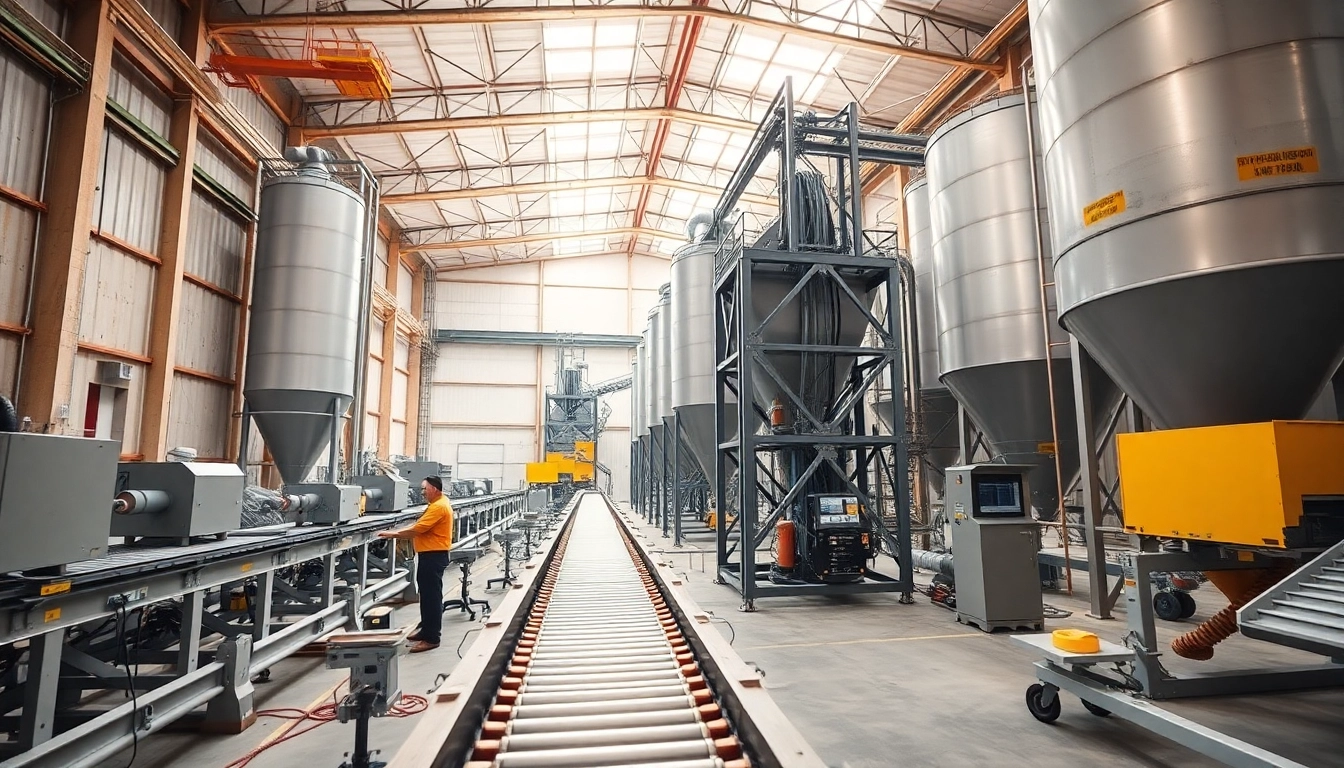
The key principles underlying bulk material handling engineering include material flow analysis, system design, and optimization techniques. These principles guide the selection and arrangement of equipment to maximize efficiency while minimizing costs and operational risks. The essential components of bulk material handling systems consist of conveyors, chutes, hoppers, silos, and dust control systems. Each component serves a distinct purpose, collectively ensuring streamlined operations.
Common Applications Across Industries
Bulk material handling systems are implemented in several sectors. For instance, in agriculture, grain handling systems are crucial for transporting harvested crops from fields to storage. In the mining industry, conveying systems efficiently transport extracted raw materials to processing facilities. Similarly, construction relies on bulk handling equipment to manage aggregates and concrete. Other sectors, such as food processing and chemical manufacturing, also depend on these systems for effective production and packaging processes.
Designing Effective Bulk Material Handling Systems
Considerations for Equipment Selection
Selecting the right equipment for bulk material handling is essential for operational success. Factors to consider include material properties (density, moisture content, size distribution), throughput requirements, and the existing infrastructure. Equipment types range from mechanical conveyors to pneumatic systems, each with specific advantages and limitations. Thorough evaluations and pilot testing can further assist in making informed decisions.
Layout and Workflow Optimization
The layout of a bulk material handling system significantly influences its efficiency. A well-planned design minimizes transfer distances, reduces handling times, and ensures a logical flow of materials, aiding productivity. Using simulation software can help visualize workflows and identify potential bottlenecks, allowing engineers to optimize layouts before implementation. Key considerations include accessibility, maintenance requirements, and alignment with safety standards.
Safety Standards and Regulations
Safety is paramount in bulk material handling operations. Compliance with relevant regulations ensures that systems are designed for the well-being of employees and the protection of materials. Implementing risk assessments and safety protocols, such as proper training and maintenance schedules, is necessary. Additionally, leveraging equipment with built-in safety features, like emergency shut-off mechanisms, can mitigate risks associated with material handling.
Technological Innovations in Bulk Material Handling
Automation and Robotics
The integration of automation and robotics in bulk material handling has revolutionized processes, enhancing efficiency and reducing human error. Automated systems can manage bulk material movements with precision, utilizing technologies like sensors and artificial intelligence to optimize operations dynamically. Automated guided vehicles (AGVs) and robotic arms are increasingly deployed to handle tasks such as loading, unloading, and sorting materials, thus improving throughput and safety.
Software Solutions for Monitoring
Advanced software solutions are instrumental in monitoring and managing bulk material handling systems. These solutions offer real-time insights into system performance, enabling proactive adjustments and maintenance. Concepts such as predictive analytics using machine learning algorithms help in anticipating failures before they occur, ensuring uninterrupted operations. Additionally, software can assist in inventory management, tracking stock levels, and optimizing ordering processes.
Emerging Trends and Future Directions
Future innovations in bulk material handling will likely focus on sustainability and efficiency. Increasing environmental regulations drive the development of greener technologies, such as energy-efficient equipment and eco-friendly materials for construction. Digital twin technology, which creates virtual models of physical systems, allows for real-time simulation and improvements without impacting operations. Moreover, the continued growth of IoT devices will facilitate smoother integration and communication between various handling systems.
Challenges in Bulk Material Handling Engineering
Addressing Material Quality and Flow Issues
Material quality can pose significant challenges in bulk handling systems. Variability in material properties affects flow characteristics and can lead to issues such as clogging or uneven distribution. To combat these challenges, engineers may employ flow aids, such as air pads or vibratory feeders, to improve material handling. Regular quality assessments and adjustments to handling systems are essential to maintain efficiency.
Managing Dust and Environmental Concerns
Dust generation during bulk material handling can have serious environmental and health implications. It is vital to implement effective dust control measures, such as dust suppression systems and enclosed handling systems, to minimize emissions. Regular inspections and maintenance of dust control systems help ensure compliance with environmental regulations while promoting a healthier work environment.
Cost-Effectiveness and Budgeting Strategies
Balancing cost-effectiveness with operational efficiency is a critical challenge in bulk material handling engineering. Implementing strategies such as life-cycle cost analyses can help identify the most economical solutions over time. Additionally, engaging in continuous improvement processes can uncover cost-saving opportunities without compromising performance or safety. Investing in training employees can also lead to significant reductions in operational costs.
FAQs About Bulk Material Handling Engineering
What is bulk material handling engineering?
Bulk Material Handling Engineering focuses on designing systems to transport and manage bulk materials efficiently, ensuring effective throughput and safety.
What types of materials are handled?
This engineering discipline primarily deals with dry materials such as powders, granules, and lumps across various industries including agriculture, mining, and construction.
Why is safety crucial in bulk material handling?
Safety is critical as the processes often involve heavy machinery, which can pose risks of injury or damage if not correctly managed and designed according to regulations.
How do automation and technology improve efficiency?
Automation reduces manual labor, enhances precision, and increases speed in material handling processes, leading to improved operational efficiency and reliability.
What factors affect the design of bulk material handling systems?
Factors include material properties, desired throughput, system layout, safety protocols, and compliance with industry standards, ensuring optimal efficiency and effectiveness.
For those seeking comprehensive insights and resources on this vital field, Bulk Material Handling Engineering serves as a valuable reference.