The Challenges of Woodworm Infestation
Woodworm infestations can pose a significant threat to wooden structures, leaving property owners frustrated and concerned. These destructive pests can silently compromise the integrity of homes, furniture, and other wooden items. Understanding the nature of wood-boring insects and identifying signs of infestation is crucial for effective treatment.
Understanding Wood-boring Insects
Wood-boring insects, such as woodworms, house longhorn beetles, and powderpost beetles, are notorious for their ability to damage wooden materials. They lay their eggs in wood, and when the larvae hatch, they begin to tunnel through the timber to feed, resulting in structural weaknesses. This life cycle can continue for years if not addressed promptly.
Signs of Infestation in Woodwork
Identifying a woodworm infestation early can save homeowners significant time and money. Some common signs include:
- Small exit holes: Visible holes in wooden surfaces are often the first sign of an infestation.
- Fine dust or frass: As larvae bore into wood, they leave behind a powdery substance that can accumulate around the exit holes.
- Crumbly wood: Infested wood may feel soft or brittle to the touch, indicating internal damage.
Common Myths About Chemical Treatments
Many homeowners resort to chemical treatments to eliminate wood-boring insects. However, misconceptions surrounding chemical methods often lead to ineffective solutions. Some believe that these treatments are always safe for indoor use or provide long-lasting results, which is not always the case. These methods can sometimes pose health risks and may not reach all affected areas within the wood.
The Innovative Approach of SHASHEL® Technology
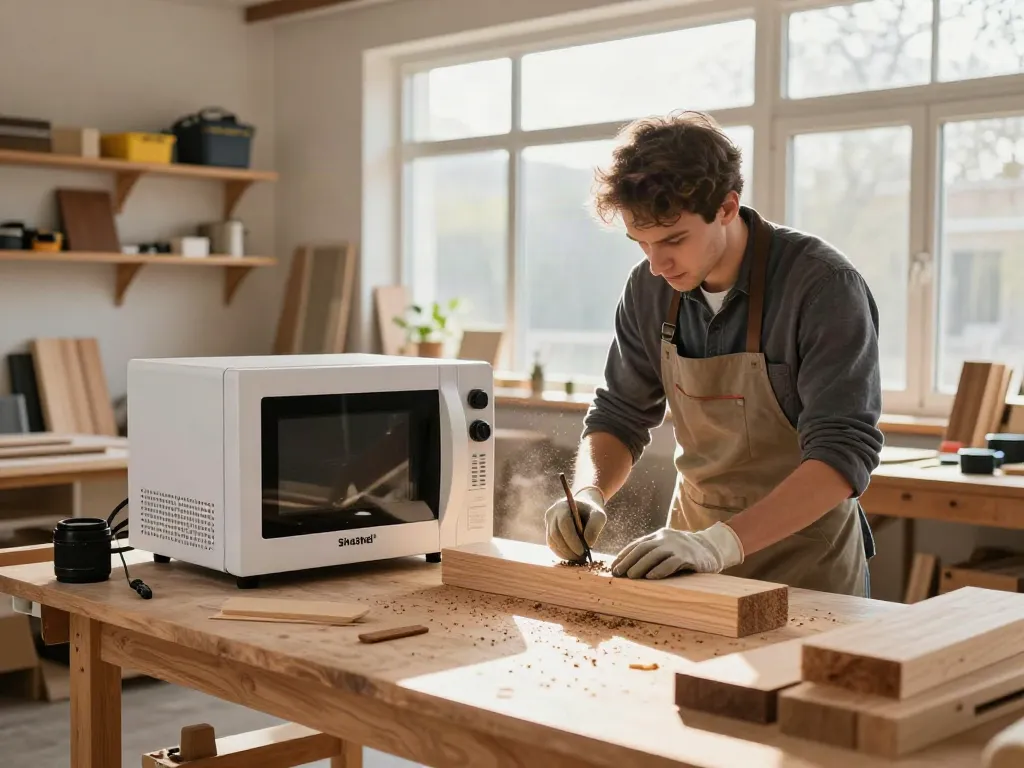
The evolution of pest control technology has led to innovative solutions like SHASHEL® that promise effective woodworm eradication without traditional chemicals. By leveraging microwave technology, SHASHEL® equipment offers a breakthrough approach to insect elimination.
How Microwave Technology Works for Insect Elimination
SHASHEL® utilizes microwave technology to generate heat that penetrates deep into the wood. This method targets wood-boring insects at all life stages, including eggs, larvae, and adults. The rapid heating effectively destroys the pests without damaging the timber, offering a safe and environmentally friendly solution.
The Benefits of Chemical-Free Treatment
One of the standout features of SHASHEL® technology is its chemical-free approach to pest control. This means:
- Safety for inhabitants: Families can remain in their homes during treatment without exposure to harmful chemicals.
- Eco-friendly: This method reduces the environmental impact associated with chemical pesticides.
- Preservation of wood quality: Unlike chemical treatments that can lead to alterations in wood properties, SHASHEL® ensures the delicate structure of wood is preserved.
Real-world Applications of SHASHEL® in Wood Restoration
SHASHEL® technology is not only effective in eliminating wood-boring insects but also plays a crucial role in wood restoration. It is used in various settings, including:
- Restoration of antique furniture
- Treatment of historic buildings
- Maintenance in storage facilities for timber products
Best Practices for Using SHASHEL® Equipment
To maximize the effectiveness of SHASHEL® equipment, following best practices is essential. Proper preparation and operation can significantly enhance treatment outcomes.
Preparation Steps Before Treatment
Before initiating treatment, it is important to:
- Identify all infested areas and assess the extent of damage.
- Clear the treatment area of any obstructions.
- Ensure the equipment is set up according to manufacturer guidelines.
Operational Guidelines for Maximum Efficiency
During operation, users should adhere to the following guidelines:
- Monitor wood temperatures to ensure adequate heating without compromising integrity.
- Ensure thorough coverage of all affected wood surfaces.
- Keep a safe distance and use protective gear as recommended for handling equipment.
Post-Treatment Care for Treated Wood
After treatment, proper maintenance of treated wood is vital. Homeowners should:
- Avoid placing heavy items on freshly treated surfaces until fully cooled.
- Inspect wooden structures periodically for any signs of re-infestation.
- Consider applying a protective finish to ensure long-term preservation.
Comparing SHASHEL® with Traditional Methods
Understanding how SHASHEL® stacks up against traditional chemical treatments can guide effective pest control decisions.
Effectiveness Against Different Wood-boring Insects
SHASHEL® technology has proven highly effective against various wood-boring insects, delivering consistent results where traditional methods may falter. In particular, it provides superior performance when addressing diverse pest species and their specific life cycles.
Time and Cost Efficiency Considerations
While initial costs for SHASHEL® may be higher than some chemical solutions, its long-term effectiveness often leads to reduced costs associated with re-treatments and wood repairs. Additionally, the quick treatment time means less downtime for affected structures.
User Experiences and Testimonials
Many users have reported satisfaction with the SHASHEL® system, highlighting the ease of use and effectiveness. Testimonials reflect a growing trend of homeowners and restoration professionals opting for this innovative solution to tackle wood-boring insects.
Future Trends in Wood Pest Control
The landscape of pest control is evolving, and SHASHEL® is at the forefront of this shift towards sustainable practices.
Anticipated Developments in SHASHEL® Technology
Experts predict further enhancements in SHASHEL® technology, including increased automation and integration with smart home systems. These advancements will likely improve accessibility and ease of use for homeowners.
The Shift Towards Eco-Friendly Solutions
As environmental awareness increases, the demand for eco-friendly solutions like SHASHEL® will continue to grow. This shift is prompting manufacturers to focus on sustainable practices across all aspects of pest control.
What to Expect in the Wood Restoration Industry by 2026
By 2026, the wood restoration industry is expected to embrace more innovative technologies, with a focus on holistic approaches that prioritize safety and effectiveness. The SHASHEL® solution stands to be a key player in this evolution, pushing the boundaries of traditional pest control methods.
FAQs
What is SHASHEL® and how does it work?
SHASHEL® is a microwave technology designed for the effective elimination of wood-boring insects. It works by heating the wood, targeting pests at various life stages without the use of harmful chemicals.
Is the treatment safe for indoor use?
Yes, SHASHEL® is safe for indoor use, allowing homeowners to remain in their properties during the treatment process without exposure to harmful chemicals.
How long does the treatment process take?
The duration of treatment can vary based on the size and condition of the infested wood, but many processes can be completed in a matter of hours.
Can SHASHEL® be used on all types of wood?
SHASHEL® technology is versatile and can be effectively used on various wood types, making it suitable for a wide range of applications.
What maintenance is required for treated wood?
Post-treatment, it is essential to monitor treated wood for re-infestation and ensure protective finishes are applied for long-term preservation.