Understanding Containerized Wastewater Treatment
In today's rapidly evolving environmental landscape, effective wastewater management is crucial for sustainable development. Containerized wastewater treatment systems have emerged as innovative solutions to address diverse water treatment challenges, catering to both municipal and industrial needs. These systems offer integrated, pre-engineered solutions that are adaptable to various contexts, ensuring compliance with stringent environmental standards. When exploring options, containerized wastewater treatment provides comprehensive insights into flexible, scalable, and efficient treatment processes.
What is Containerized Wastewater Treatment?
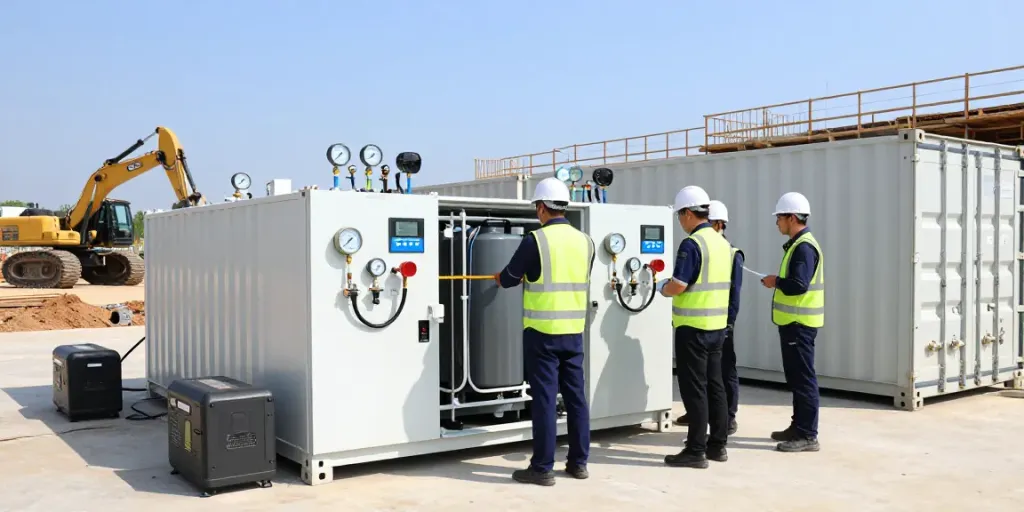
Containerized wastewater treatment refers to the modular approach of placing wastewater treatment processes within standard shipping containers, allowing for ease of transport and installation. These systems are pre-assembled and pre-engineered, ensuring they can be deployed rapidly without extensive site preparation. They cater to a range of applications, from treating domestic sewage to managing complex industrial effluent. The adaptability of these systems means they can be tailored to different environments, making them a preferred choice for water treatment in various sectors.
Key Components of Containerized Systems
The design of containerized wastewater treatment systems typically includes several critical components:
- Pre-treatment Modules: These components remove larger solids and debris from wastewater before it undergoes further processing.
- Biological Treatment Units: Utilizing aerobic and anaerobic processes, these units facilitate the breakdown of organic matter, ensuring the water meets required quality standards.
- Filtration and Disinfection Systems: Advanced filtration technologies, such as membrane filtration and UV disinfection, provide final treatment to ensure that the effluent is safe for discharge or reuse.
- Control Systems: Automated monitoring and control systems optimize the performance of the treatment process, providing real-time data and operational insights.
Benefits of Modular Treatment Solutions
Containerized wastewater treatment systems offer numerous benefits, including:
- Rapid Deployment: These systems can be deployed quickly, often within days, making them ideal for urgent situations like disaster recovery.
- Portability: Built within standard shipping containers, these systems can be easily transported to various sites, ensuring flexibility in application.
- Cost-Effectiveness: The modular nature reduces construction and installation costs compared to traditional fixed treatment plants.
- Scalability: Systems can be expanded or customized based on the specific needs of the facility or community they serve.
Applications in Various Industries
Municipal Wastewater Treatment Applications
Municipalities worldwide face increasing challenges in managing wastewater due to population growth and urbanization. Containerized systems provide an effective solution by allowing local authorities to set up treatment facilities that can be quickly constructed and commissioned. These units can also support temporary facilities during upgrades or maintenance of existing plants, ensuring that municipalities remain compliant with environmental regulations.
Industrial Effluent Management
Industries such as food and beverage, pharmaceuticals, and textiles produce wastewater with high contaminant loads. Containerized wastewater treatment systems are designed to handle diverse industrial effluents by integrating specialized treatment processes tailored to specific contaminants. This flexibility not only ensures compliance with regulations but also enhances the sustainability of operations by enabling water reuse.
Emergency and Disaster Relief Solutions
In areas affected by natural disasters, the immediate need for clean water is critical. Containerized wastewater treatment systems can be rapidly deployed in emergency situations, providing essential treatment capabilities in response to flood, earthquake, or other disaster scenarios. Their modular nature means they can be easily transported to affected areas, offering a reliable solution when time is of the essence.
Deployment Flexibility and Speed
Rapid Setup Process Explained
The setup process for containerized wastewater treatment systems is streamlined to ensure swift deployment. Typically requiring only a flatbed truck and a crane, the entire system can be operational within one to two days upon arrival at the site. This rapid assembly allows organizations to focus on solving their wastewater challenges without prolonged downtime or disruption.
Transport Logistics for Containerized Systems
The logistics of transporting containerized systems are straightforward due to their standardized dimensions. Whether a facility requires a 20-foot or 40-foot container, they can be easily moved using conventional transport vehicles. This simplicity not only reduces transportation costs but also enhances the feasibility of deploying treatment systems in remote or challenging locations.
Case Studies: Successful Deployments
Several case studies highlight the successful deployment of containerized wastewater treatment systems:
- Case Study 1: A small island community in the South Pacific adopted a containerized system to manage sewage for a population of 500, enhancing sanitation and environmental protection.
- Case Study 2: After a hurricane devastated a region in the Caribbean, containerized units were deployed within a week, providing critical wastewater treatment services during recovery efforts.
- Case Study 3: An industrial park in Southeast Asia integrated a customized containerized solution to treat effluent from multiple factories, significantly reducing operational costs and improving wastewater quality.
Performance Monitoring and Compliance
Key Performance Indicators in Treatment Systems
To ensure the effectiveness of containerized wastewater treatment systems, monitoring key performance indicators (KPIs) is essential. Common KPIs include:
- Influent and Effluent Quality: Regular testing of chemical and biological parameters helps ensure that treated water meets regulatory standards.
- Operational Efficiency: Metrics like energy consumption and chemical usage quantify the efficiency of the treatment process.
- Maintenance Frequency: Tracking how often maintenance is performed can provide insights into system longevity and reliability.
Regulatory Compliance Measures
Adherence to local and international regulations is crucial in wastewater treatment. Containerized systems are designed to meet compliance requirements, with integrated monitoring systems that facilitate reporting and documentation for regulatory authorities. This proactive approach ensures that facilities minimize risks and avoid penalties associated with non-compliance.
Innovative Monitoring Technologies in 2026
As technology advances, containerized wastewater treatment systems are incorporating innovative monitoring solutions. These include:
- IoT Integration: The Internet of Things (IoT) allows for real-time data collection and remote monitoring, enhancing operational oversight.
- Predictive Maintenance: Utilizing AI algorithms, systems can predict maintenance needs, thus minimizing downtime and extending equipment life.
- Data Analytics: Advanced analytics can identify trends in water quality and system performance, enabling continuous improvement and optimization.
Future Trends in Wastewater Treatment
Emerging Technologies in Containerized Systems
The future of containerized wastewater treatment is poised for innovation, with emerging technologies such as:
- Membrane Bioreactors: Integrating membrane filtration with biological treatment for enhanced efficiency.
- Microbial Fuel Cells: Harnessing the power of bacteria to generate electricity while treating wastewater.
- Sensors and Automation: The use of advanced sensors for real-time monitoring of system parameters and automated adjustments to optimize performance.
Sustainability Trends and Best Practices
As sustainability becomes increasingly important, containerized wastewater treatment systems are evolving to incorporate best practices that include:
- Water Reuse: Implementing systems designed to treat water for reuse in irrigation or industrial processes.
- Energy Recovery: Utilizing biogas generated during treatment processes to power operations, reducing overall energy consumption.
- Life Cycle Assessments: Evaluating the environmental impacts of systems from production to end-of-life to inform sustainable design choices.
Predictions for Wastewater Management Beyond 2026
Looking forward, the wastewater management landscape is expected to evolve significantly. Predictions include:
- Increased Automation: The rise of fully automated systems that require minimal human intervention will enhance efficiency.
- Greater Regulatory Scrutiny: Stricter regulations will drive innovations in treatment technologies to meet heightened standards.
- Global Collaboration: International partnerships will foster knowledge sharing and the adoption of best practices across borders.
What is a containerized wastewater treatment plant?
A containerized wastewater treatment plant is a modular system designed to treat wastewater within a standard shipping container. This design facilitates transportation and rapid deployment, making it ideal for various applications, from municipal sewage treatment to industrial effluent management.
How much does a containerized system cost?
The cost of a containerized wastewater treatment system varies based on its size, complexity, and specific treatment requirements. As a general estimate, prices can range from tens of thousands to several hundred thousand dollars, factoring in the installation and operational costs.
What are the main types of wastewater treatment?
Wastewater treatment typically falls into three main categories: primary treatment, which focuses on physical separation of solids; secondary treatment, which involves biological processes to degrade organic matter; and tertiary treatment, which addresses remaining contaminants through advanced filtration and disinfection methods.