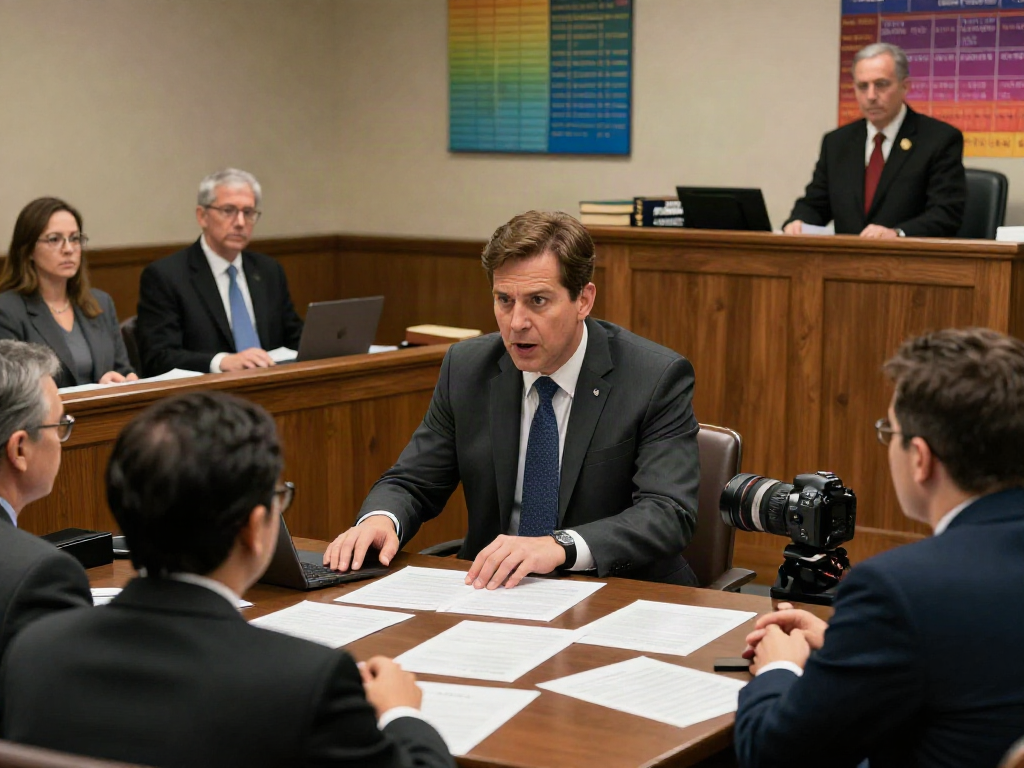
Understanding Federal and State Contracts
Definition and Purpose of Federal and State Contracts
Federal and State contracts are legally binding agreements established between government entities and private sector contractors for the provision of goods and services. These contracts are designed to facilitate the acquisition of various products and services that meet government needs while ensuring taxpayer funds are utilized efficiently. The main purpose of these contracts is to promote competition, encourage innovation, and support economic development within the local and national markets.
Types of Federal and State Contracts
Understanding the various types of Federal and State contracts is essential for contractors looking to engage with government entities. The primary contract types include:
- Fixed-Price Contracts: In these contracts, the price is set and is not subject to change, providing certainty for both parties.
- Cost-Reimbursement Contracts: These allow contractors to be reimbursed for allowable costs incurred during contract performance, plus an additional amount for profit.
- Indefinite Delivery/Indefinite Quantity (IDIQ) Contracts: These are utilized for acquiring supplies and services when the exact times and/or quantities are not known at the time of contract award.
- Time and Materials Contracts: In this case, payment is based on the time spent and materials used, allowing flexibility for projects with uncertain scopes.
- GSA Contracts: General Services Administration (GSA) contracts are long-term government contracts that provide commercial products and services to federal agencies.
Key Players in the Federal and State Contracting Process
The contracting process involves various stakeholders, including:
- Contracting Officers: Individuals responsible for overseeing the procurement process and ensuring compliance with regulations.
- Small Business Administration (SBA): The SBA assists small businesses in understanding and competing for government contracts.
- Contractors: Private sector entities that bid on government contracts to provide requested goods or services.
- End Users: Government personnel who utilize the products or services acquired through contracts.
How to Prepare for Federal and State Contracts
Essential Requirements for Engagement
Before engaging in Federal and State contracts, businesses should ensure they meet specific requirements:
- Registration: Contractors must register on platforms such as SAM.gov to bid on contracts.
- Compliance: Understanding and adhering to federal regulations, including the Federal Acquisition Regulation (FAR).
- Capability Statements: Develop a concise statement that outlines your business’s competencies and past performance.
- Security Clearances: Some contracts may require security clearances for personnel involved in the project.
Documentation Needed for Federal and State Contracts
Accurate and timely documentation is critical in the contracting process. Essential documents include:
- Business License: Proof that your business is registered and allowed to conduct business in your state.
- Financial Statements: Recent financial records that demonstrate your business's financial stability.
- Past Performance History: Documentation of prior contracts and the results achieved.
- Detailed Proposal: An extensive proposal including your approach, timeline, and budget for project completion.
Common Pitfalls to Avoid
Contracting can be a complex process. To succeed, avoid the following common pitfalls:
- Inadequate Research: Failing to understand the requirements of the contract or the agency's needs.
- Poor Proposal Preparation: Submitting proposals that lack clarity or fail to meet the specifications outlined in solicitations.
- Ignoring Compliance Issues: Overlooking necessary regulations can lead to disqualification or penalties.
Finding Opportunities in Federal and State Contracts
Online Resources and Platforms for Contracting
Several online platforms offer valuable resources for contractors looking for opportunities, including:
- Federal and State contractsdatabases provide information on available contracts and awards.
- SAM.gov: A centralized database for federal contract opportunities.
- USAspending.gov: Offers insights into federal spending and awarded contracts, helping businesses identify markets.
- GovWin: A comprehensive tool for tracking government contract bids and opportunities.
Networking and Building Relationships
Networking is crucial in the contracting space. Businesses can build relationships with key players through:
- Industry Conferences: Attend events to meet procurement officials and other contractors.
- Trade Associations: Join associations related to your industry for networking opportunities and resources.
- Local Economic Development Offices: Engage with local offices that promote small business contracting opportunities.
Events and Workshops for Contracting
Participating in events and workshops can enhance understanding and capabilities in the contracting space. Common opportunities include:
- Government-Sponsored Workshops: Many agencies offer training sessions to assist businesses in understanding government contracting.
- Webinars: Online seminars provide insights into the contracting process and specific opportunities.
- Local Business Expos: Forums where companies can showcase their products and connect with government buyers.
Bidding on Federal and State Contracts
Understanding the Bidding Process
Knowing the bidding process is crucial for success. The primary steps include:
- Finding Opportunities: Monitor available contract listings on platforms like SAM.gov.
- Reading Solicitations Carefully: Understand the specifications and requirements laid out in the Request for Proposal (RFP).
- Submitting Proposals: Prepare and submit a thorough proposal by the deadline specified in the solicitation.
Crafting a Winning Proposal for Federal and State Contracts
A winning proposal should include:
- Executive Summary: Communicate your understanding of the contract’s needs and how your solution meets them.
- Technical Approach: Provide details on your proposed methodology and outcomes expected.
- Pricing Structure: Clearly outline the cost and provide justification for your pricing.
- References: Include testimonials or references from previous contracts that demonstrate capability and reliability.
Tips for Competitive Pricing Strategies
To enhance your chances of winning contracts, consider the following pricing strategies:
- Market Research: Conduct thorough research to understand average pricing for similar contracts.
- Value-Added Services: Highlight any additional services that differentiate your proposal from competitors.
- Cost-Effective Solutions: Present solutions that maintain quality while optimizing costs to enhance value for the government.
Managing and Delivering on Federal and State Contracts
Contract Management Best Practices
Effective contract management involves:
- Clear Communication: Establish open lines of communication with all stakeholders throughout the contract lifecycle.
- Regular Review: Periodically review contract performance against established metrics to ensure compliance and efficiency.
- Documentation: Keep thorough records of communications, changes, and performance evaluations as part of the contract file.
Monitoring Performance and Compliance
Monitoring is vital to meet contractual obligations. Consider these aspects:
- Performance Metrics: Set clear metrics to evaluate the success of the contract based on outcomes and deliverables.
- Compliance Checks: Regularly verify that your processes align with federal and state regulations and contract terms.
- Feedback Mechanisms: Establish channels to receive feedback from end users and contracting officers to improve performance.
Leveraging Feedback for Future Opportunities
Feedback from current contracts is invaluable for securing future opportunities:
- After-Action Reviews: Conduct reviews upon contract completion to assess successes and areas for improvement.
- Adjusting Strategies: Use feedback to refine proposals, pricing strategies, and project execution for future bids.
- Building Reputation: Positive feedback enhances your company’s credibility and likelihood of winning future contracts.
Frequently Asked Questions
What are Federal and State contracts?
Federal and State contracts are legally binding agreements between government entities and private sector contractors for goods and services.
How do I find Federal and State contracts?
Utilize platforms like SAM.gov, USAspending.gov, and networking events to discover available Federal and State contracts.
What documentation is required for Federal and State contracts?
Common documents include a business license, financial statements, past performance history, and a detailed proposal.
What are the challenges in securing Federal and State contracts?
Challenges can include complex regulations, competitive bidding, and the need for extensive documentation and compliance.
How can I improve my chances of winning contracts?
Focus on building relationships with government buyers, understanding their needs, and submitting well-crafted proposals with competitive pricing.