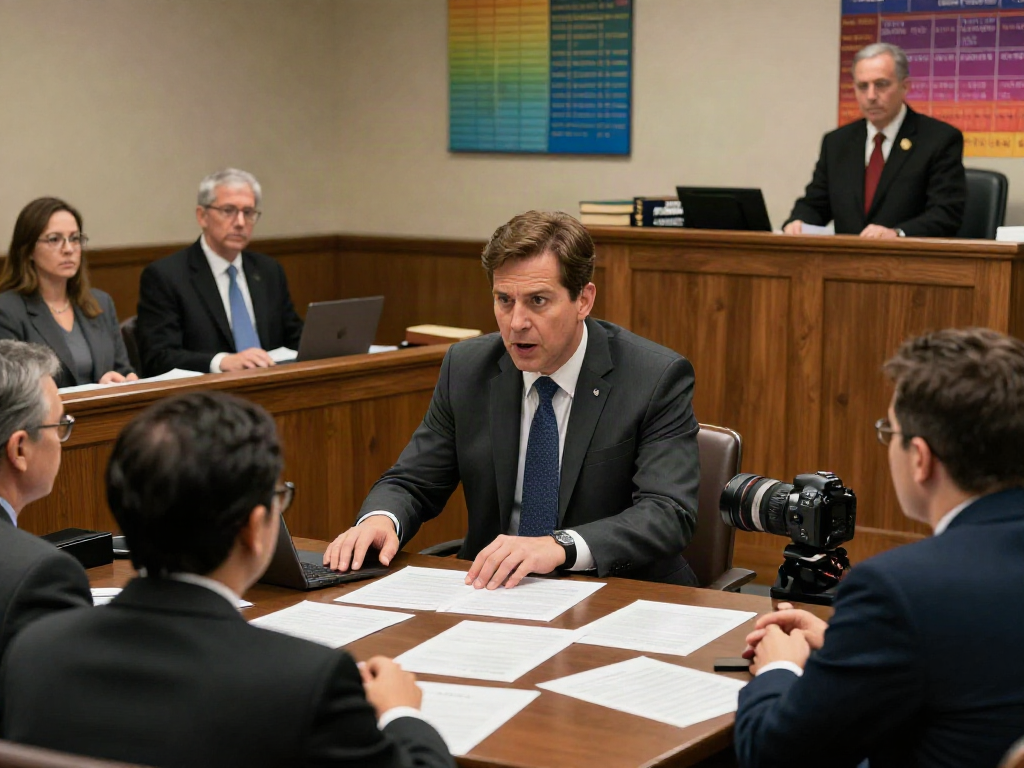
Introduction to Federal and State Contracts
In the intricate world of government procurement, understanding Federal and State contracts is essential for businesses aiming to secure lucrative opportunities. These contracts are agreements between government entities and contractors for the supply of goods or services, playing a significant role in the economy and providing a wide range of services and products necessary for public welfare.
Definition of Federal and State Contracts
Federal contracts are agreements made between commercial entities and the federal government; they outline the terms under which services or goods must be delivered. Conversely, state contracts originate from state governments, typically catering to regional needs. Each type of contract is governed by specific regulations, compliance requirements, and procedural differences.
Significance of Contracts in Government Procurement
Contracts in government procurement are pivotal as they ensure transparency, promote competition, and enhance service delivery. These agreements help allocate resources efficiently and facilitate projects that can benefit the public, such as infrastructure development or educational programs. For contractors, obtaining a government contract can solidify their reputation and guarantee a stable revenue stream.
Differences Between Federal and State Contracts
While both federal and state contracts serve similar functions in procurement, several distinctions set them apart. For instance, federal contracts usually follow more rigid guidelines than state contracts, which can vary significantly from one state to another. Federal regulations require strict adherence to the Federal Acquisition Regulation (FAR), whereas state contracts operate under local laws that might allow for more flexibility in execution.
How to Bid on Federal and State Contracts
Researching Contract Opportunities
The first step in successfully bidding on government contracts is thorough research. Websites such as SAM.gov provide a plethora of contract opportunities issued by federal agencies. It's essential to regularly monitor these platforms, utilize filters to narrow down relevant projects, and create alerts for your business sector.
Preparing Your Proposal
Once you've identified potential contracts, crafting a comprehensive proposal is crucial. The proposal should include an introduction, methodology, timeline, and budget breakdown. It is also vital to clearly demonstrate your company’s capabilities and any past performance metrics, thus showcasing your reliability. Tailoring your proposal to the specific requirements outlined in the solicitation can significantly elevate your chances of success.
Common Mistakes to Avoid When Bidding
Several pitfalls can hinder success in securing contracts. Common mistakes include inadequate research on project criteria, overlooking compliance requirements, and failing to meet submission deadlines. Additionally, generic proposals lacking specificity about how the contractor will meet the government’s needs can lead to disqualification. Careful attention to detail and a complete understanding of solicitation instructions are essential parts of the bidding process.
Requirements for Federal and State Contracts
Legal Requirements for Eligibility
Eligibility for federal and state contracts often entails specific legal prerequisites, including business registration, compliance with local and federal laws, and necessary licenses. For federal contracts, entities must also be registered in the System for Award Management (SAM) database. Understanding these requirements is crucial, as non-compliance can lead to disqualification.
Financial Criteria Required
Financial stability is another prerequisite. Agencies typically require businesses to demonstrate their financial health through documentation such as tax returns, bank statements, and profit-and-loss statements. Being able to illustrate sound financial standing can enhance a business’s credibility and reliability in the eyes of the government.
Documentation Needed for Applications
A successful application requires comprehensive documentation, which may include a detailed business plan, past performance records, business licenses, and insurance proofs. Failure to present the required documentation can result in delayed evaluations and may lead to rejection of the proposal.
Strategies for Winning Federal and State Contracts
Identifying Market Trends
Staying abreast of market trends is vital for businesses aiming to win government contracts. Understanding which services are in demand, and keeping abreast of governmental budget allocations can give contractors a competitive edge. Regularly consulting industry reports and government publications can help identify these trends.
Building Relationships with Government Agencies
Engaging with government entities can enhance opportunities for bidding. Attend industry days, networking events, and government forums to establish connections. Building relationships based on trust and mutual interest can lead to direct contracting opportunities and recommendations.
Leveraging Technology in Procurement
Utilizing technology can streamline the contract bidding process. Tools like CRM systems can help track potential leads and follow-ups. Additionally, automated proposal software can enhance the efficiency of proposal preparation, ensuring compliance and reducing errors. Adopting technological solutions can meaningfully improve competitiveness in the procurement landscape.
Measuring Success in Federal and State Contracts
Key Performance Indicators to Track
Measuring success involves tracking several key performance indicators (KPIs) such as the win rate of proposals submitted, contract value secured, and customer satisfaction levels with service delivery. These metrics can provide valuable insights into operational effectiveness and help identify areas for improvement.
Feedback Loops and Continuous Improvement
Establishing feedback loops with government agencies can enhance a contractor's performance in future bids. Constructive feedback reveals areas for improvement and provides starting points for businesses to refine their proposals. Embracing a culture of continuous improvement ensures long-term success in the government contracting arena.
Case Studies of Successful Contract Awards
Learning from case studies of successful contract bids can provide valuable insights. For instance, businesses that achieved successful outcomes often showcased exceptional past performance and proactive engagement with agency representatives. Analyzing these cases allows companies to replicate best practices and strategize effectively for future bids.
Frequently Asked Questions
What are the main differences between federal and state contracts?
The primary differences lie in regulatory frameworks; federal contracts follow strict FAR guidelines, while state contracts vary by local laws and may offer more flexibility in execution.
How can I find contract opportunities?
Visit platforms like SAM.gov, which lists federal contract opportunities. For state contracts, check your local government's procurement website or databases.
What documentation is required for applying?
Commonly required documents include a business plan, past performance records, licenses, and proof of financial stability like tax returns and financial statements.
What strategies can help me win government contracts?
Successful strategies include staying informed about market trends, building relationships with government agencies, and using technology to streamline your proposal process.
How do I measure success after obtaining a contract?
Success can be measured using KPIs such as win rates, client satisfaction, and contract value. Regularly monitor these metrics to assess business performance.