Understanding the Basics of Manlift
What is a Manlift?
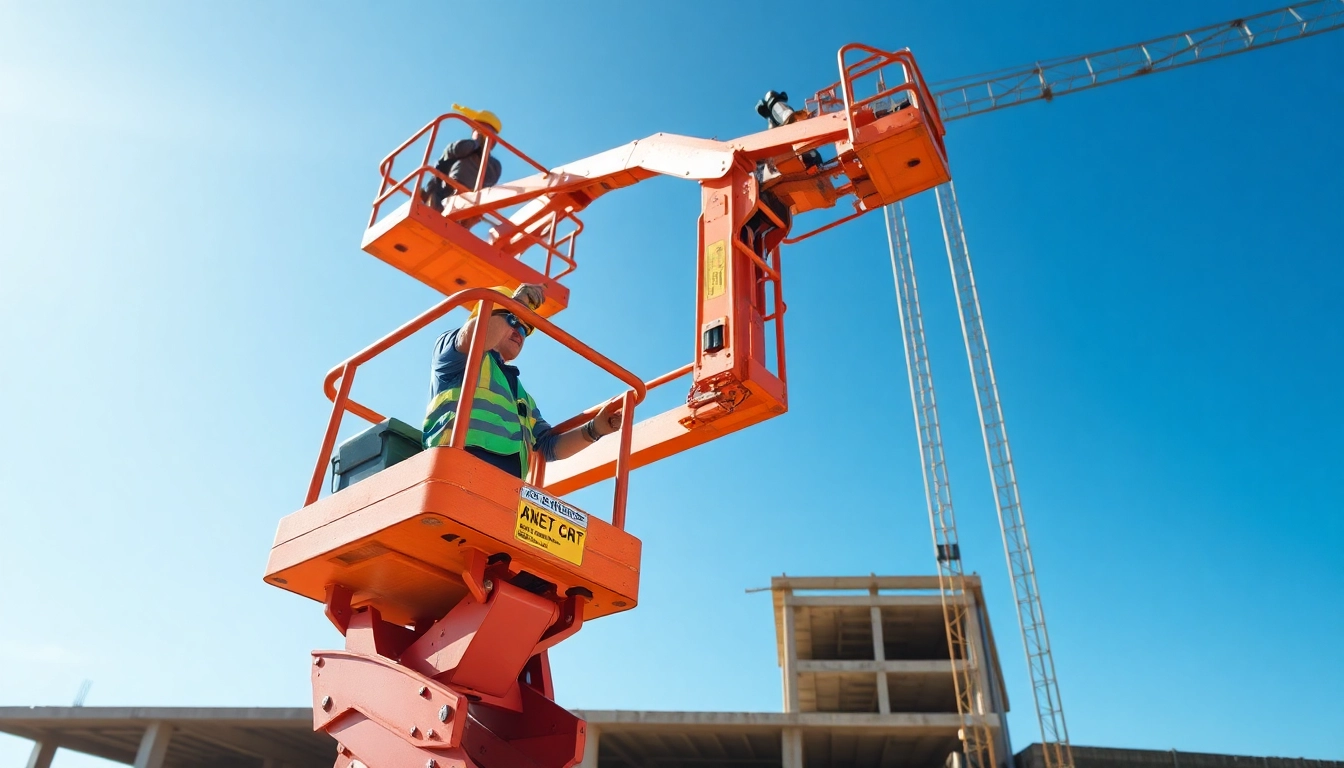
A manlift is a versatile piece of equipment designed to safely lift individuals to elevated work sites. Also known as personnel lifts, these machines facilitate work at heights, making them invaluable in various industries, including construction, maintenance, and warehouse operations. Equipped with a platform or basket, a manlift allows operators to perform tasks such as painting, installing fixtures, or conducting inspections safely and efficiently. By utilizing a Manlift, workers can significantly reduce the risk of falls and injuries associated with working at heights.
Types of Manlifts
Manlifts come in various types, each designed for specific tasks and environments. The most common types include:
- Articulating Boom Lifts: These are designed with joints that allow the platform to reach over obstacles, making them ideal for complex work sites.
- Telescopic Boom Lifts: Featuring a straight, extendable arm, they provide greater reach and height capabilities, suitable for open areas.
- Scissor Lifts: Known for their compact design, scissor lifts provide vertical elevation and are perfect for tasks that require stability and a larger work platform.
- Towable Boom Lifts: Portable and easy to transport, these lifts are convenient for projects spread across multiple locations.
Applications of Manlift
The applications of manlifts span numerous fields, making them essential for various tasks. Common uses include:
- Construction: For installing ceilings, setting trusses, or performing exterior work on buildings.
- Maintenance: Ideal for window cleaning, facade repairs, and HVAC maintenance.
- Warehousing: Used to access high storage areas for inventory management or lighting repairs.
- Event Setup: Useful for rigging lighting and sound equipment at outdoor events or concerts.
Safety Procedures for Using a Manlift
Pre-Operational Checks
Before operating a manlift, conducting thorough pre-operational checks is crucial to ensure safety and reliability. Operators should inspect the following:
- Verify that the lift is on stable ground and level.
- Check for any visible damage to the equipment, including hydraulic systems and cables.
- Test safety features like the emergency stop, horn, and alarms.
- Ensure all guards and safety devices are in place and operational.
Training and Certification Requirements
Proper training and certification are vital for anyone intending to operate a manlift. Regulatory bodies often mandate specific training programs that cover:
- Understanding equipment safety features and their operation.
- Identifying hazards and risks associated with working at heights.
- Emergency procedures, including rescue operations.
- Applicable OSHA standards and regulations.
Best Practices for Safe Operation
To ensure safe operation of a manlift, operators should adhere to several best practices:
- Always wear appropriate personal protective equipment (PPE), including helmets, harnesses, and fall protection gear.
- Perform a risk assessment of the work environment before beginning tasks.
- Never exceed the manufacturer’s weight limits or load capacity.
- Maintain clear communication with ground personnel during operations.
- Always lower the lift completely before exiting the platform.
Maintenance of Manlift Equipment
Regular Inspection Guidelines
Routine maintenance is essential for ensuring the longevity and safety of manlifts. Operators should carry out regular inspections that include:
- Daily visual inspections to check for wear or damage.
- Monthly checks of hydraulic systems and battery conditions.
- Annual professional inspections as recommended by manufacturers.
Common Maintenance Issues
While manlifts are designed for durability, common maintenance issues can arise, including:
- Hydraulic leaks due to aging seals or hoses.
- Electrical malfunctions, particularly with older models.
- Brake failure caused by wear or improper adjustments.
Tips for Extended Lifespan
To maximize the lifespan of manlifts, implement proactive maintenance strategies, such as:
- Regularly lubricating moving parts to prevent rust and wear.
- Storing the equipment in a sheltered environment to protect against the elements.
- Keeping detailed maintenance logs to track repairs and inspections.
Comparing Manlift with Other Equipment
Manlift vs. Scissor Lift
Both manlifts and scissor lifts serve the purpose of elevating personnel, but they differ significantly in design and function. Manlifts are typically more maneuverable and suited for tasks that require reaching over obstacles, while scissor lifts provide a stable and spacious platform for work at greater vertical heights. Choosing between them depends on the specific requirements of the job.
Benefits Over Aerial Lifts
Manlifts offer several advantages over traditional aerial lifts, including:
- Greater flexibility in navigating tight spaces and uneven ground.
- Ability to reach narrow or elevated areas that standard aerial lifts cannot access.
- Enhanced safety features and operational ease for personnel working at heights.
Choosing the Right Equipment for Your Project
Selecting the right equipment involves evaluating several factors, including:
- The height and reach required for the task.
- The ground conditions and accessibility of the site.
- The nature of the work to be performed and the number of workers needed on the platform.
FAQs About Manlift Use
What is the maximum height a manlift can reach?
The maximum height varies by model, with some manlifts reaching up to 185 feet, suitable for extensive elevated work.
Is a license required to operate a manlift?
Yes, operators typically need certification and training that aligns with local regulations and safety standards.
What safety gear should be worn when using a manlift?
Essential safety gear includes hard hats, harnesses, and non-slip footwear to ensure operator safety while working at heights.
How often should manlifts be inspected?
Inspect manlifts daily before use and conduct more comprehensive inspections at least once a month or as recommended by the manufacturer.
Can manlifts be used outdoors in windy conditions?
While manlifts can operate outdoors, it's crucial to check wind limits specified by the manufacturer to ensure safety during usage.