Understanding Mediation: A Comprehensive Overview
Mediation is an increasingly popular method of resolving disputes outside the courtroom. This process provides an opportunity for individuals or groups to talk with a neutral party—known as the mediator—who helps facilitate discussions and negotiates a resolution. The mediator does not take sides; rather, they assist in guiding the parties toward mutually acceptable solutions. By opting for Mediation, parties can avoid the lengthy and often costly litigation process. In this article, we delve deeper into the various aspects of mediation, exploring its benefits, processes, types, preparation, challenges, and frequently asked questions.
The Concept of Mediation
Mediation is defined as a form of alternative dispute resolution (ADR) that allows parties to communicate directly with each other, facilitated by a third-party mediator. Unlike arbitration or litigation, where an external decision-maker renders a conclusion, mediation is inherently collaborative. The mediator’s role is to create an environment conducive to dialogue and negotiation, steering the parties toward a resolution that meets their needs and interests.
Benefits of Mediation
One of the primary benefits of mediation is its flexibility. The process can be tailored to the specific needs of the parties involved, and it can take place at a time and location that is convenient for all. Additionally, mediation tends to be faster and less expensive than traditional litigation. Here are some key advantages:
- Cost-Effective: Mediation typically incurs lower legal fees compared to court cases.
- Confidentiality: The discussions that occur during mediation are private and cannot be disclosed in court.
- Control: Parties retain more control over the outcome compared to a court decision.
- Preserved Relationships: Mediation fosters collaborative solutions, helping to maintain relationships that might be damaged in adversarial settings.
Mediation Process Overview
The mediation process generally follows several key steps:
- Preparation: This entails selecting a mediator, determining the format for mediation, and setting the agenda.
- Opening Statements: Each party presents their perspective on the dispute, allowing the mediator to grasp the issues at hand.
- Joint Discussion: The mediator facilitates a dialogue between parties, encouraging them to express their feelings and needs.
- Private Caucus: The mediator may meet privately with one party to discuss their position without the other party’s knowledge.
- Resolution: If an agreement is reached, it may be formalized legally, ensuring that it is enforceable.
Types of Mediation Approaches
Facilitative Mediation
Facilitative mediation focuses on helping parties communicate and negotiate effectively. The mediator plays an active role by asking questions, clarifying points of contention, and suggesting solutions. This method encourages parties to explore their interests deeply and often leads to more creative solutions that are acceptable to all.
Evidentiary Mediation
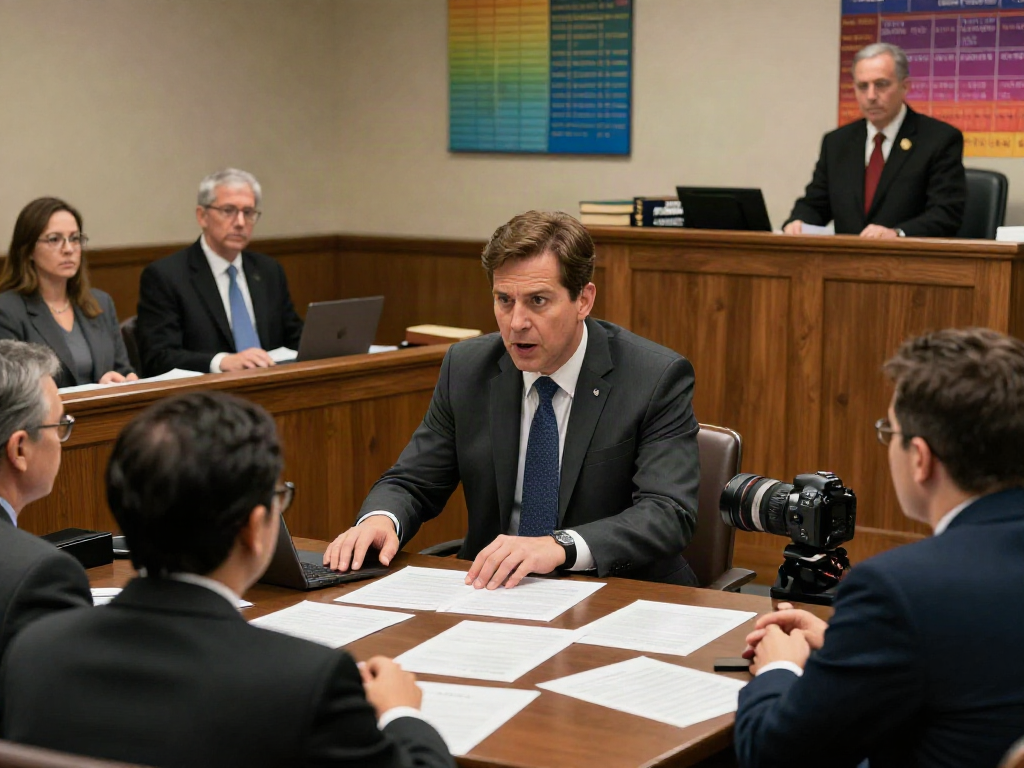
Evidentiary mediation is commonly used in legal contexts where factual disputes require examination. In this approach, the mediator helps the parties understand the strengths and weaknesses of their cases based on the evidence presented. This type of mediation can lead to more informed settlements as parties assess their positions and potential outcomes realistically.
Transformative Mediation
Transformative mediation aims to help individuals recognize and address the underlying issues causing their conflict. This approach places a strong emphasis on personal empowerment and recognition. By transforming how parties perceive each other and the situation, this type of mediation can significantly improve relationships even after a resolution has been reached.
Preparing for Mediation: What to Expect
Before the Mediation Session
Preparation is key to a successful mediation experience. Several steps can be taken in advance:
- Research: Understand the mediation process, and select a suitable mediator based on qualifications and experience.
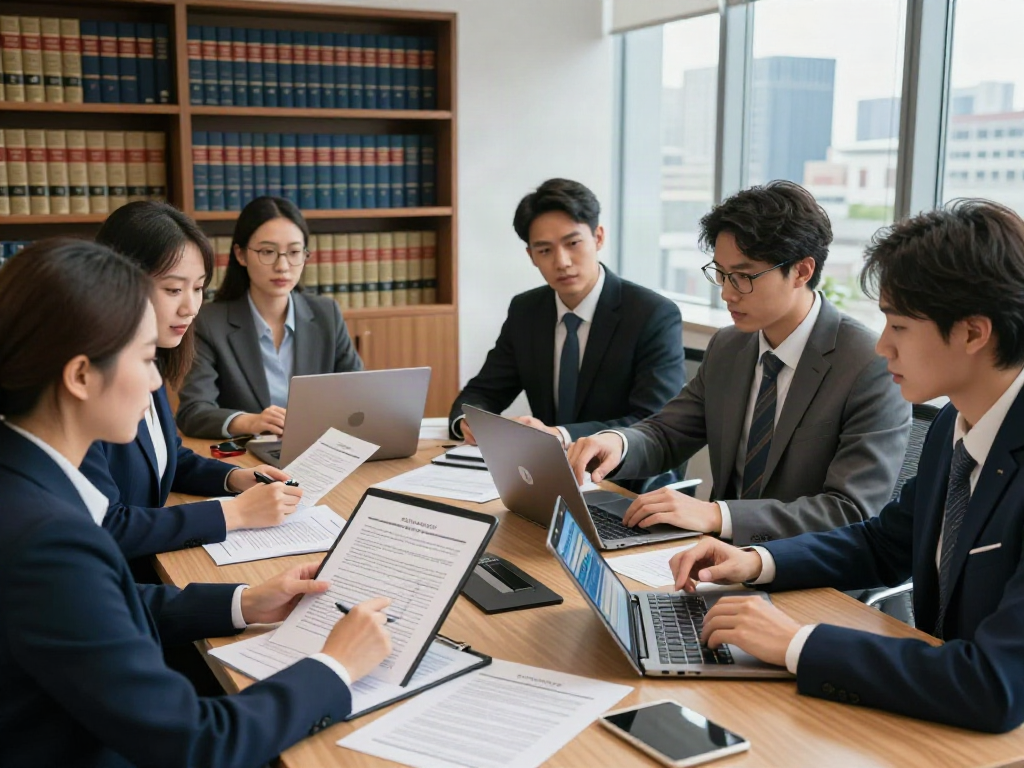
- Documentation: Gather relevant documents that provide context for your position, such as contracts, emails, and medical records.
- Goals: Define clear objectives for the mediation to help focus discussions on what is most important.
During the Mediation
While participating in mediation, keep the following in mind:
- Listen Actively: Pay attention to what the other party is saying to better understand their perspective.
- Stay Open-Minded: Be willing to explore creative solutions and consider multiple options.
- Positive Attitude: Maintain a cooperative demeanor, fostering an environment conducive to resolution.
After the Mediation: Next Steps
Once mediation is concluded, several outcomes may occur:
- Agreement: If an agreement is reached, the mediator may help draft a memorandum outlining the terms.
- Follow-Up: Consider setting up future check-ins to ensure compliance with the agreement.
- Explore Alternatives: If mediation does not yield a resolution, you may need to consider arbitration or litigation as your next step.
Challenges in Mediation and Solutions
Common Obstacles Faced
Mediation is not without its challenges. Some common obstacles include:
- Power Imbalances: One party may feel disadvantaged, affecting their ability to negotiate effectively.
- Emotional Barriers: Strong emotions can hinder open communication and dialogues.
- Unrealistic Expectations: Parties may enter mediation with unrealistic views about outcomes.
Strategies to Overcome Challenges
To tackle these challenges, consider the following strategies:
- Pre-Mediation Preparation: Engage in preliminary discussions with the mediator to address power imbalances.
- Mediation Techniques: Utilize techniques such as role-reversal or reframing to facilitate dialogue.
- Set Realistic Goals: Clarify achievable outcomes before entering the mediation session.
When Mediation Fails: Alternatives
Unfortunately, not all mediations lead to resolution. In such cases, alternative options may include:
- Arbitration: A more formal process where an arbitrator makes a binding decision.
- Litigation: Taking the dispute to court for a judge to decide the outcome.
- Collaborative Law: A collaborative approach where each party retains a lawyer to help negotiate a settlement.
Frequently Asked Questions about Mediation
What is the role of a mediator?
The mediator serves as a neutral facilitator who helps parties communicate, identify issues, and negotiate potential solutions. They ensure the process remains constructive and respectful.
How long does mediation take?
The duration of mediation varies, but sessions typically last between 2 to 8 hours depending on the complexity of the dispute and the willingness of parties to negotiate.
Is mediation legally binding?
Mediation agreements can be made legally binding if both parties agree and sign a formal contract outlining the terms. However, mediation itself is not binding unless agreed upon.
What preparation is needed for mediation?
Preparation involves understanding the mediation process, gathering relevant documents, defining your goals, and being ready to listen and negotiate openly during the session.
How to find a professional mediator?
Look for a mediator with credentials, experience in your specific area of conflict, and positive referrals. Many organizations offer directories of qualified mediators.