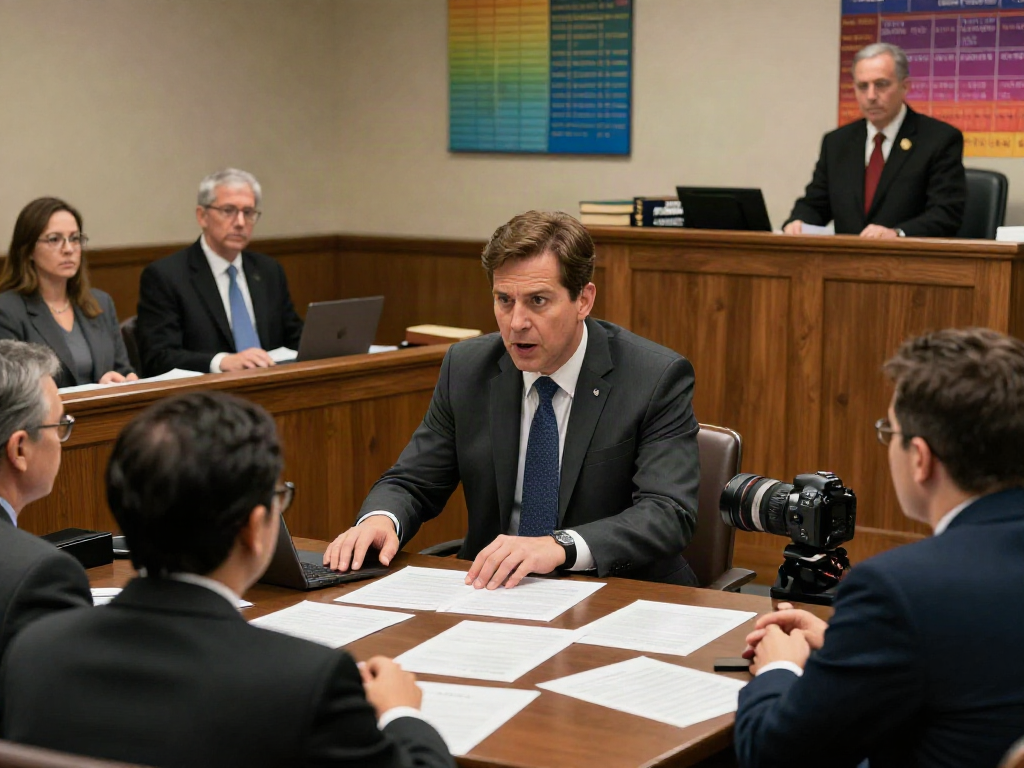
Understanding Estate Planning
What is Estate Planning?
Estate planning is the strategic process of organizing how your assets will be managed and distributed in the event of your incapacitation or death. It encompasses the preparation of essential legal documents such as wills and trusts, which specify your wishes for asset distribution and guardianship for dependents. By participating in Estate Planning, individuals can exert control over their legacy, ensuring that their values and objectives are honored after their passing.
Importance of Estate Planning
Every individual should consider estate planning as a fundamental aspect of personal finance management. It not only safeguards your assets but also simplifies the transfer process for your loved ones. Proper estate planning can:
- Minimize potential tax liabilities for your heirs
- Mitigate disputes among family members regarding asset distribution
- Ensure your dependents are taken care of by appointing guardians if necessary
- Provide clarity and guidance in medical care preferences through directives
Overall, engaging in estate planning aligns your wishes with formal legal frameworks, providing peace of mind for you and your family.
Common Misconceptions
Many people believe estate planning is just for the wealthy or elderly; however, this is a significant misconception. Estate planning is relevant to individuals at any stage of life. Another common myth is that estate planning is a one-time process; in reality, it should be revisited regularly, especially after significant life changes like marriage or having children.
Key Components of Estate Planning
Wills and Trusts Explained
Wills and trusts are essential components of an effective estate plan. A will is a legal document that specifies your wishes regarding the distribution of your assets upon death. It also allows for the appointment of guardians for minor children. However, wills must go through probate, a legal process that can be lengthy and costly.
On the other hand, trusts allow for the efficient management and distribution of your assets without going through probate. They can be particularly beneficial for those who wish to maintain privacy regarding their financial affairs and facilitate a smoother transition for heirs.
Power of Attorney Essentials
A Power of Attorney (POA) grants a chosen individual the authority to make decisions on your behalf, typically in financial or legal matters, should you become incapacitated. It ensures that someone you trust manages your affairs without legal obstacles. It's crucial to select someone reliable and discuss your wishes with them beforehand.
Healthcare Directives
Healthcare directives, also known as advance healthcare directives or living wills, communicate your preferences regarding medical treatment if you cannot express your wishes. This essential document ensures that your healthcare decisions align with your values and desires, relieving loved ones from the burden of making challenging decisions during a crisis.
The Estate Planning Process
Gathering Financial Information
The first step in the estate planning process is gathering comprehensive financial information. This encompasses details about all assets, including real estate, bank accounts, investments, and personal possessions. Understanding your financial landscape influences your estate planning decisions, especially regarding tax implications and the overall value of the estate.
Defining Your Goals
Once you have a clear picture of your financial situation, the next step is to define your goals. Consider what you want to achieve with your estate plan. Do you intend to minimize taxes, support family members, or allocate funds to charitable causes? Clearly outlining your objectives will guide your planning process and choices regarding legal documents.
Selecting an Estate Planning Attorney
A knowledgeable estate planning attorney can provide invaluable guidance tailored to your specific needs. When selecting an attorney, look for someone with proven experience in estate planning and a strong understanding of state-specific laws. Establishing a comfortable working relationship is key, so ensure you feel at ease discussing personal matters openly.
Addressing Common Estate Planning Challenges
Overcoming Procrastination
One of the most prevalent barriers to effective estate planning is procrastination. Many individuals put off this crucial task due to fear, lack of knowledge, or perceived complexity. To overcome this, start by dedicating time to identify your assets and discussing your goals with family members. Setting a timeline for completing your estate plan can create a sense of accountability and urgency.
Dealing with Family Dynamics
Family dynamics can significantly impact the estate planning process, especially if there are existing tensions or discrepancies in how family members perceive fairness. Engage in open communication with your loved ones about your intentions. Clarifying your choices early can prevent misunderstandings and potential disputes down the line.
Avoiding Mistakes and Pitfalls
Common estate planning mistakes include failing to update documents after life changes, not properly funding trusts, and overlooking tax implications. To mitigate these risks, regularly review and update your plan in response to significant events such as weddings, births, deaths, or financial changes. Collaborate with your attorney to ensure the documentation and funding of all instruments align with your current wishes.
FAQs about Estate Planning
1. What is estate planning?
Estate planning is arranging how your assets will be managed and distributed after your death or incapacitation.
2. Why is estate planning important?
It ensures your wishes are respected and can help avoid family disputes and high taxes.
3. Do I need an attorney for estate planning?
While not mandatory, an attorney can provide valuable guidance and ensure documents are legally sound.
4. How often should I update my estate plan?
Review your estate plan every few years or after major life events, like marriage or the birth of a child.
5. What happens if I don’t have an estate plan?
Your assets will be distributed according to state laws, which may not align with your wishes.