
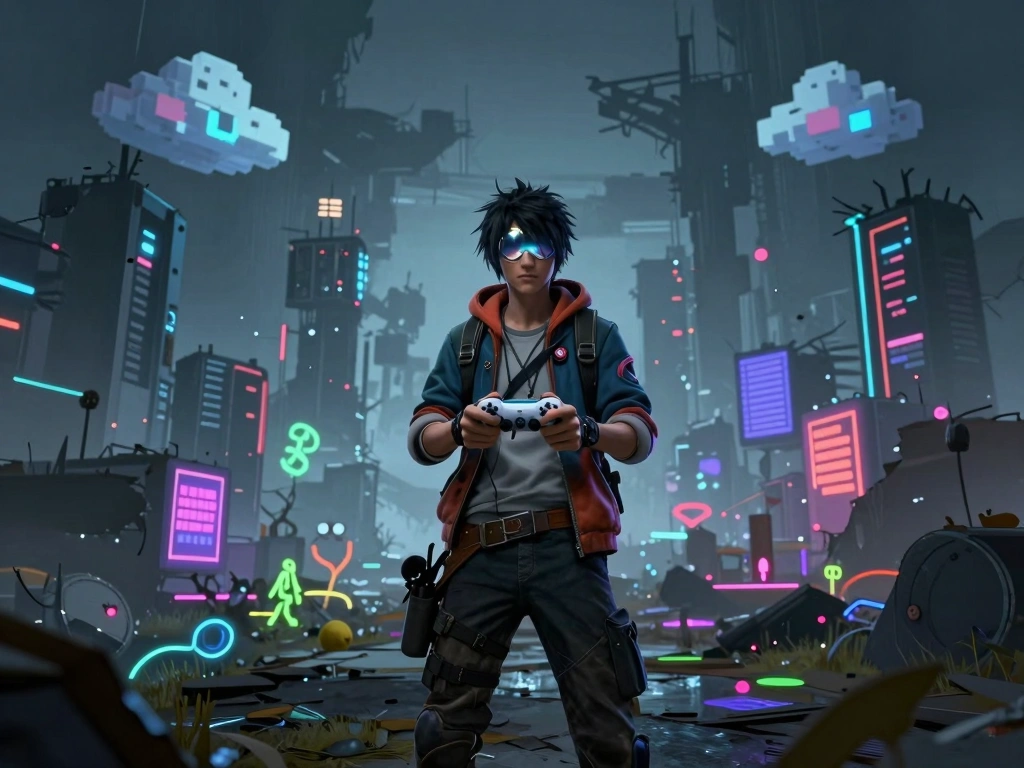
Why Live-Service Games Decline: Key Factors Explained

Live-service games, which promise ongoing content updates and player engagement, have garnered significant attention in the gaming industry. However, many of these titles experience a decline over time, leading to player disengagement and ultimately, reduced profitability for developers. This article explores the key factors contributing to the decline of live-service games, examining market saturation, monetization models, content lifecycle, technical issues, and community engagement.
Market Saturation and Player Fatigue
Overabundance of Live-Service Titles
The live-service model has become increasingly popular over the past decade, giving rise to numerous titles across various genres. With games like "Fortnite," "Destiny 2," and "Apex Legends" dominating the market, players are inundated with choices. As the supply of live-service games grows, it becomes challenging for new titles to capture and maintain player interest. According to a report by SuperData, live-service games accounted for over $100 billion in revenue in 2020 alone. However, this surge in popularity has led to a saturated market where players may feel overwhelmed by the sheer number of options. Consequently, as players attempt to juggle multiple live-service games, they may ultimately turn away from the genre altogether, leading to declining player bases.
Player Burnout from Continuous Engagement
The constant demand for players to engage with live-service games can lead to burnout. Titles often require significant time investments for progression, seasonal events, and limited-time content. Players may feel pressured to log in daily or weekly to keep up with updates or maintain their competitive edge. A prime example of this phenomenon is "Destiny 2," which has faced criticism for its grind-heavy mechanics. Players have reported feeling exhausted from the need to continually engage with the game's seasonal content, leading to a decline in active player numbers. As fatigue sets in, many players choose to step back from live-service games, contributing to their overall decline.
Shifting Player Preferences Over Time
Player preferences can change, influenced by factors such as new gaming trends, societal changes, and evolving technology. What was once a thrilling experience may become stale as players seek new forms of entertainment. For instance, the rise of indie games and single-player narratives has attracted players who prefer more structured, less demanding gaming experiences. The decline of "Fallout 76" serves as a pertinent example. Initially launched as a live-service game, it failed to retain players due to a lack of engaging content and the emergence of new gaming experiences. As players’ preferences shifted towards more narrative-driven and immersive single-player games, "Fallout 76" struggled to maintain its player base.
Monetization Models and Player Trust
Impact of Microtransactions on Player Experience
Monetization strategies play a crucial role in the success of live-service games. Many developers rely on microtransactions, which can significantly impact the player experience. When players perceive that they must spend money to enjoy the game fully, they may feel exploited, leading to dissatisfaction. Take "Star Wars Battlefront II," for example. Its initial launch faced a backlash due to aggressive monetization practices, including pay-to-win mechanics. The negative response from the community forced the developers to overhaul the system, but the damage was done. Trust was eroded, and many players abandoned the game altogether, illustrating how monetization can directly affect player retention.
Transparency Issues Leading to Distrust
Transparency is vital for fostering trust between developers and players. When players feel kept in the dark regarding monetization strategies or future content plans, it can lead to skepticism and disengagement. Live-service games need to provide clear communication about updates, changes, and pricing models to maintain player trust. The controversy surrounding "Fall Guys" after its transition to a free-to-play model exemplifies this. Initially celebrated for its fun gameplay, the developers faced criticism for introducing monetization practices that some players deemed unfair. A lack of transparent communication about these changes led to a decline in player confidence and interest.
Comparison of Fairness in Monetization Strategies
In the live-service realm, the perceived fairness of monetization strategies can significantly influence player retention. Titles that implement fair and balanced monetization models often foster a more loyal player base. In contrast, those perceived as exploitative may experience rapid declines. For instance, "Rocket League," which transitioned to a free-to-play model, has been praised for its fair monetization practices. The game offers cosmetic items for purchase without impacting gameplay, leading to a positive reception among players. By maintaining fairness in monetization, "Rocket League" has successfully retained its player base, demonstrating the importance of this factor in the longevity of live-service games.
Content Lifecycle and Quality Maintenance
Challenges in Delivering Fresh Content Regularly
The success of live-service games hinges on the ability to deliver fresh content regularly. Players expect consistent updates, events, and new features to keep them engaged. However, maintaining a robust content pipeline can be challenging for developers, leading to periods of stagnation. "Sea of Thieves" faced this challenge when its updates were inconsistent. Although the game eventually found its footing, there were initial lulls in content that left players feeling neglected. Such gaps can lead to player disengagement and a decline in active users, highlighting the necessity of a well-planned content strategy.
Quality vs. Quantity: Striking the Right Balance
While delivering content regularly is essential, the quality of that content is equally important. Developers must strike a balance between quantity and quality to keep players engaged. Rushed or poorly executed updates can lead to player dissatisfaction and disengagement. Consider "No Man's Sky," which faced significant backlash upon its initial release due to a lack of promised features. However, subsequent updates improved the game's quality and addressed player concerns. The developers learned that prioritizing quality over a rapid release schedule was crucial in regaining player trust and interest.
Community Expectations and Content Delivery
Players have increasingly high expectations for live-service games, fueled by past successes and industry trends. Developers face immense pressure to meet these expectations, which can lead to rushed content delivery or unmet promises. When developers fail to deliver what players expect, it can result in disappointment and a decline in player engagement. "Cyberpunk 2077" serves as a cautionary tale in this regard. The game was heavily marketed as a live-service experience, but upon release, it failed to meet player expectations due to numerous bugs and performance issues. The backlash led to a significant drop in player numbers, illustrating how unmet community expectations can hasten the decline of a live-service game.
Technical Issues and Server Reliability
Impact of Server Downtime on Player Retention
Technical issues, particularly server downtime, can significantly affect player retention in live-service games. Frequent outages or lag can frustrate players, leading them to seek alternatives. A stable and reliable server infrastructure is crucial for maintaining an engaged player base. "Destiny 2" has experienced numerous server issues that have impacted player experience. Downtime during critical updates or events can lead to player frustration, causing many to step away from the game. Developers must prioritize server reliability to prevent such declines and ensure a smooth experience for players.
Technical Debt and Performance Degradation
As live-service games evolve, they may accumulate technical debt, leading to performance degradation over time. Developers may struggle to maintain optimal performance amid ongoing updates and changes, which can frustrate players. A notable example is "The Division 2," which has faced criticisms regarding performance issues and technical glitches. As players encounter bugs and frame rate drops, they may lose interest in the game altogether. Addressing technical debt is crucial for maintaining player engagement and preventing declines in active users.
Player Frustration from Bugs and Glitches
Bugs and glitches can severely hinder the player experience in live-service games. When players encounter frequent issues, it can lead to frustration and ultimately result in disengagement. Developers must prioritize quality assurance to minimize these occurrences and maintain player satisfaction. "Fallout 76" faced significant backlash due to numerous bugs at launch, causing many players to abandon the game. The ongoing issues, coupled with the live-service model, contributed to a decline in the player base. To prevent similar outcomes, developers must invest in rigorous testing and quality assurance processes.
Community Engagement and Developer Communication
Importance of Active Developer-Player Interaction
Active engagement between developers and players is vital for the longevity of live-service games. When developers listen to player feedback and foster a sense of community, they can build trust and loyalty, which are essential for retaining players. "Warframe" is a prime example of a live-service game that has successfully engaged its community. The developers regularly interact with players, listen to their feedback, and implement changes based on community input. This approach has helped "Warframe" maintain a dedicated player base and thrive despite the competitive landscape.
Handling Community Feedback Effectively
Effectively managing community feedback is crucial for developers of live-service games. When players feel heard and their concerns addressed, it can lead to increased satisfaction and retention. Conversely, ignoring community feedback may result in frustration and disengagement. The developers of "Gears 5" have employed a proactive approach to community feedback, regularly communicating changes and improvements based on player input. This strategy has fostered a positive relationship with the community, contributing to player retention and satisfaction.
Long-Term Community Support and Its Effects
Long-term community support is essential for the success of live-service games. Developers that commit to ongoing support and updates can create a loyal player base that feels invested in the game's future. This commitment can significantly influence player retention and engagement. "Final Fantasy XIV" exemplifies the power of long-term community support. After a rocky launch, the developers committed to revitalizing the game through ongoing updates and community engagement. This dedication has transformed "Final Fantasy XIV" into one of the most successful MMORPGs, demonstrating the importance of long-term support in preventing decline.
Conclusion
The decline of live-service games is a multifaceted issue driven by market saturation, monetization challenges, content lifecycle management, technical issues, and community engagement. Developers must understand the key factors contributing to player disengagement and proactively address these challenges to maintain a thriving player base. By prioritizing quality content, fostering community trust, and ensuring technical stability, live-service games can extend their longevity and continue to captivate players in an ever-evolving gaming landscape.