Introduction to Bulk Material Handling Engineering
Bulk Material Handling Engineering is a crucial field that deals with the efficient and safe management of large quantities of materials in various industrial processes. This discipline encompasses the design, construction, and operation of equipment and systems used for the transport, storage, and processing of bulk materials. As industries continue to evolve, Bulk Material Handling Engineering is becoming increasingly significant, playing a vital role in enhancing productivity and ensuring the smooth functioning of supply chains.
Definition and Significance
At its core, Bulk Material Handling Engineering focuses on the efficient movement and management of bulk materials, which are defined as large quantities of material that are typically un-packaged and controlled in collective amounts. This category includes substances such as grains, powders, and aggregates, all of which require specialized handling systems. The importance of this discipline is underscored by its impact on various sectors, including construction, food processing, pharmaceuticals, and mining. The effective management of bulk materials ensures streamlined operations, minimizing waste, reducing costs, and maximizing productivity.
Common Applications
Bulk material handling systems are pervasive across multiple industries. In construction, they are used for transporting aggregates to production facilities. The food and beverage sector utilizes these systems to move raw ingredients efficiently, while pharmaceuticals require precise handling for active ingredients. In mining and minerals processing, bulk handling equipment is essential for the extraction, transport, and processing of materials. By employing specialized handling systems, industries can enhance throughput, ensure safety, and maintain product quality.
Overview of Bulk Material Types
Bulk materials can be categorized primarily into three types: granular solids, powders, and liquids. Granular solids include metals and aggregates, which are often used in construction. Powders, which might include flour or chemicals, require controlled environments for handling. Liquids can also be classified as bulk materials, especially in industries such as oil and chemicals. Understanding the properties and behaviors of these materials is key to designing effective bulk handling systems.
Core Equipment in Bulk Material Handling Engineering
In Bulk Material Handling Engineering, several core equipment types form the backbone of effective material management. Equipment is tailored to meet the specific nature of the materials being handled and their intended applications, often requiring synergized design and operational considerations.
Conveyor Systems
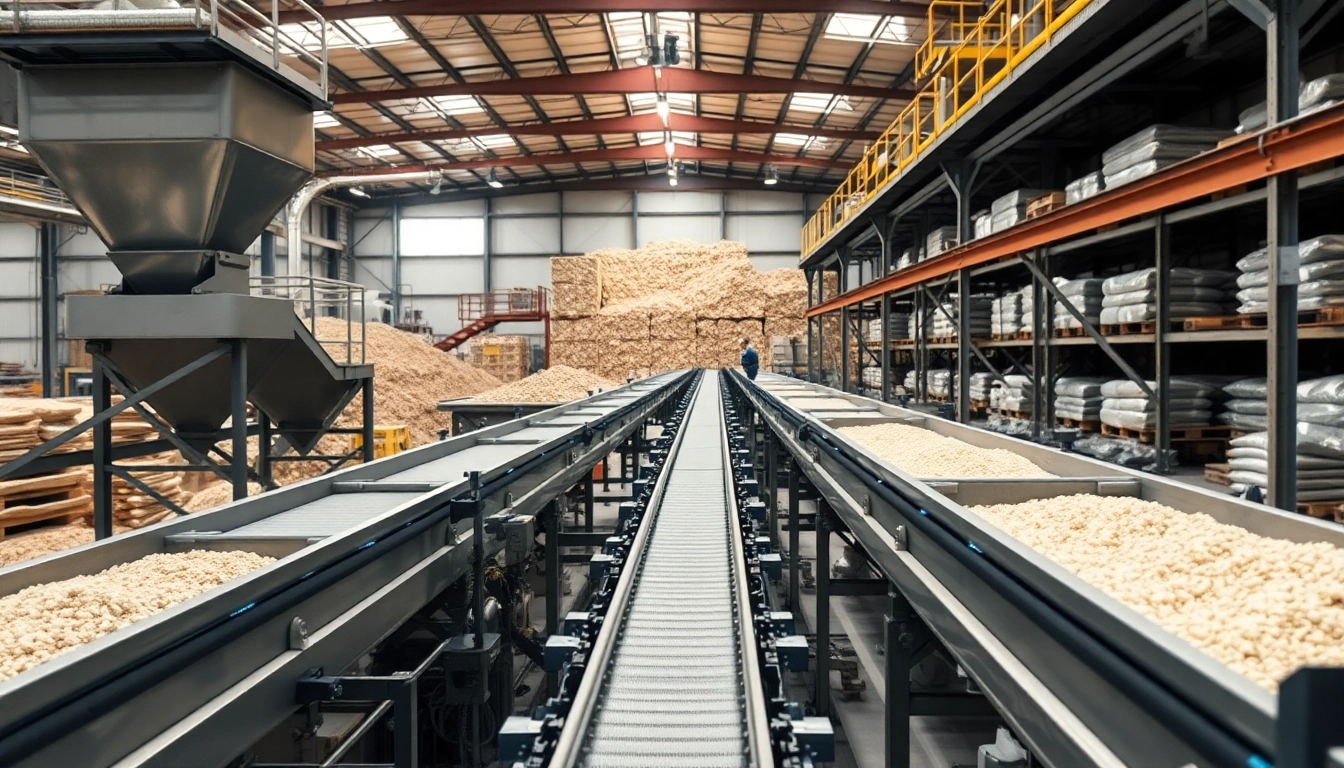
Conveyor systems serve as the primary means of transport in bulk material handling. They can be classified into various types, including belt, screw, and pneumatic conveyors. Each type has distinct operational benefits and drawbacks depending on the type of materials being handled. For example, belt conveyors are highly effective for transporting heavy loads over long distances, whereas pneumatic conveyors are invaluable for moving lightweight powders. The design and layout of conveyor systems must consider factors such as load capacity, material characteristics, and spatial constraints to optimize efficiency.
Hoppers and Silos
Hoppers and silos play a vital role in storing bulk materials before they are processed or packaged. Hoppers are often used for short-term storage, allowing for seamless flow control in production lines. Silos, in contrast, are designed for long-term storage and are typically used in industries that deal with large volumes of bulk materials, such as agriculture or cement production. Both structures must be designed to minimize material degradation and ensure easy unloading, often using gravity flow or other delivery mechanisms.
Crushers and Screeners
Crushers and screeners are essential in the processing of bulk materials, particularly in mining and aggregate production. Crushers break down large materials into smaller, manageable sizes, while screeners are used to sort materials based on size or weight. The design of these machines requires an understanding of material properties and desired final product specifications. Implementing the right equipment helps reduce operational costs and improve productivity through efficient material processing.
Design Principles and Best Practices
Successful bulk material handling systems are built upon a foundation of proven design principles and best practices. Engineers must approach each project with a comprehensive understanding of the materials involved and the system's operational context.
Efficiency and Safety Considerations
Efficiency and safety are paramount in Bulk Material Handling Engineering. Efficient systems maximize material throughput while minimizing operational costs. Safety considerations include designing systems that reduce the risk of accidents, such as spills or equipment failures. Incorporating features like emergency stop buttons, load monitoring systems, and proper training for operators enhances safety. Regular maintenance and inspections are also crucial to ensure equipment operates optimally without incidents.
Material Flow and Behavior
Understanding the flow characteristics and behavior of bulk materials is vital in designing effective systems. Different materials exhibit unique behaviors depending on factors such as shape, moisture content, and angle of repose. Engineers must evaluate these characteristics to design systems that accommodate material flow, minimize blockages, and ensure a steady supply to processing lines. Using simulation models and material testing can provide invaluable insights into anticipated flow behaviors.
System Scalability
Designing scalable systems allows companies to adapt to changing production demands. Whether scaling up for increased output or down for reduced capacities, bulk handling systems must be flexible enough to accommodate these changes without major overhauls. Modular components can enhance scalability, allowing for easy integration of additional conveyors, hoppers, or storage systems as needed.
Challenges in Bulk Material Handling Engineering
While Bulk Material Handling Engineering offers many opportunities for efficiency and cost savings, it is not without its challenges. Engineers must navigate a variety of obstacles related to equipment performance, environmental concerns, and logistical complexities.
Environmental Control
Environmental control is a major consideration in bulk material handling. Dust generation, spillage, and other emissions can negatively impact health and the environment. Implementing dust suppression systems, proper containment measures, and adhering to environmental regulations are crucial to minimizing these impacts. Engineers must design systems that encompass effective environmental controls to ensure compliance and promote sustainability.
Maintaining Equipment Integrity
Equipment integrity is essential for maintaining efficiency and safety in bulk material handling. Operational wear and tear can lead to failures, resulting in costly downtime and potential safety hazards. Developing a robust maintenance program that includes regular inspections, predictive maintenance, and timely repairs can prolong equipment life and improve performance reliability.
Logistical Issues
Logistical challenges, such as timing discrepancies in supply chains, space constraints, or transportation issues, can impact material handling operations. Engineers must ascertain that handling systems are designed with logistical considerations in mind, ensuring that materials are delivered where and when needed. This may involve integrating inventory management systems or employing just-in-time delivery strategies to keep operations flowing smoothly.
Future Trends in Bulk Material Handling Engineering
The landscape of Bulk Material Handling Engineering is evolving rapidly due to technological advancements and the growing need for sustainability. Keeping abreast of these trends is key to remaining competitive in the market.
Automation and Technological Innovations
Automation is transforming bulk material handling through the integration of robotics, AI, and data analytics. Smart handling systems can optimize operations by predicting equipment failures, monitoring material flow, and adjusting equipment settings in real-time. By embracing automation, industries can improve efficiency, reduce operational costs, and minimize human error while maintaining high levels of safety.
Sustainability Efforts
With increasing environmental regulations and public awareness surrounding sustainability, bulk material handling systems are also evolving to incorporate greener practices. Utilizing energy-efficient equipment, implementing waste reduction strategies, and exploring alternative materials are central to creating sustainable handling solutions. Engineers must prioritize sustainability in their designs to meet regulatory standards while satisfying consumer expectations.
Case Studies of Successful Implementations
Successful case studies can provide valuable insights into the practical applications of Bulk Material Handling Engineering. For instance, a facility that implemented automated conveyor systems and improved dust control measures saw a significant decrease in maintenance costs and downtime while enhancing operational efficiency. Analyzing these real-world applications can help other businesses identify best practices and innovative solutions tailored to their specific needs.
FAQs
What is Bulk Material Handling Engineering?
Bulk Material Handling Engineering is the discipline focused on effectively managing and transporting large quantities of bulk materials using specialized equipment and systems.
What types of materials are considered bulk?
Bulk materials include granular solids, powders, and liquids. Examples are grains, cement, and chemicals, requiring specific handling approaches.
What are the key components of a bulk material handling system?
Key components include conveyor systems, hoppers, silos, crushers, and screeners, each serving a specific functional purpose in material management.
How can material flow be optimized?
Material flow can be optimized by understanding material properties, designing effective equipment layouts, and integrating flow control features to minimize blockages.
What are common challenges in this engineering field?
Common challenges include environmental control, maintaining equipment integrity, and handling logistical issues related to production and supply chains.