Understanding the Shrimp Bubble Ecosystem
What is a Shrimp Bubble?
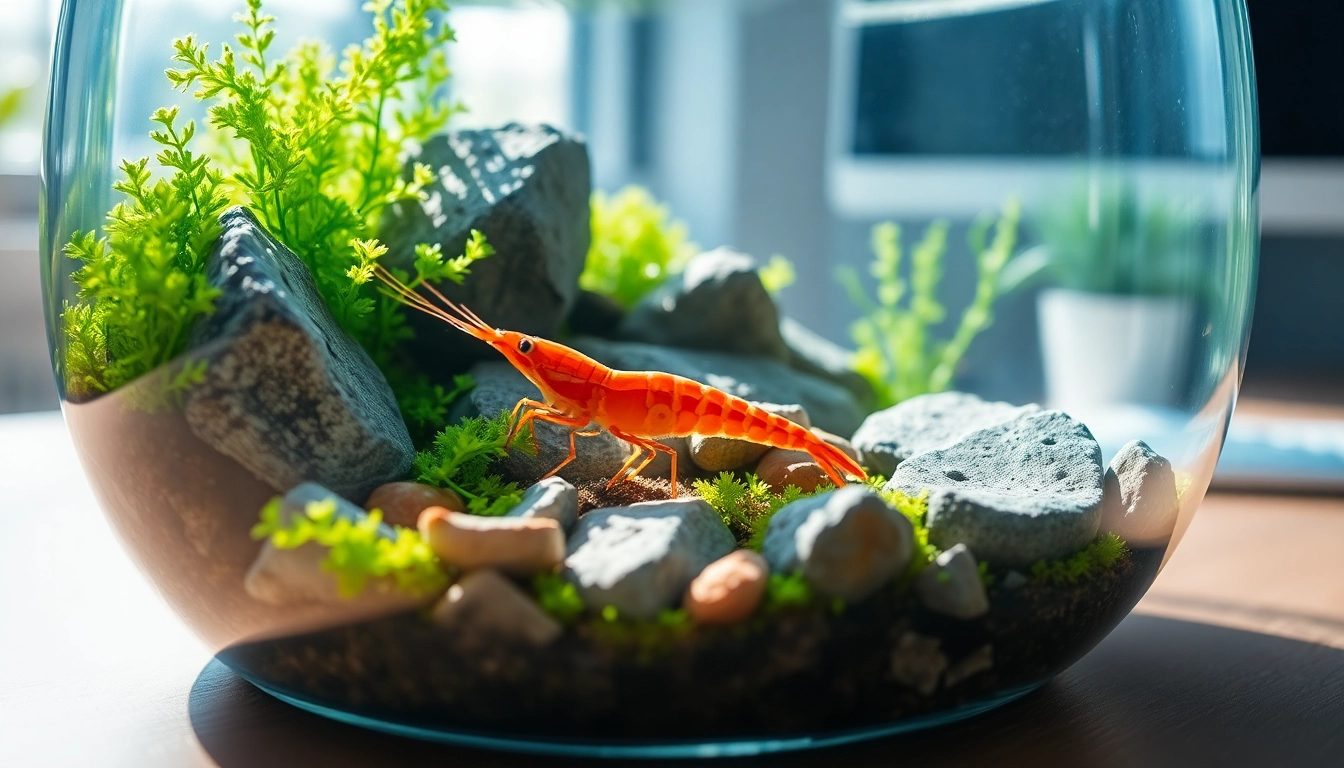
The shrimp bubble is a fascinating mini-ecosystem designed to bring a piece of marine life directly into your home or office. Often referred to as an ecosphere, it creates a self-sustaining aquatic environment that gives life to vibrant marine shrimp, like the Opae Ula. Crafted to mimic natural habitats, these ecosystems contain live algae, microorganisms, and various forms of aquatic life that work in harmony within sub-glass spheres or other enclosures.
The Components of a Shrimp Bubble
A typical shrimp bubble ecosystem consists of several integral components that collaborate to create a balanced environment:
- Live Shrimp: Commonly, Opae Ula shrimp are used due to their hardiness and small size. These shrimp thrive in the enclosed environment and contribute to the ecosystem by feeding on algae and organic debris.
- Algae: Algae plays a vital role in maintaining the balance. It serves as both food and oxygen producer through photosynthesis, helping sustain the shrimp's habitat.
- Microorganisms: Various micro-fauna, including bacteria, enhance the nutrient cycling and contribute to the health of the ecosystem.
- Substrate: Sand or gravel provides a natural environment for the shrimp, helping to anchor beneficial bacteria that aid in nutrient breakdown.
- Aquatic Plants: Some setups may include aquatic plants that contribute to the oxygenation process and provide hiding spots for shrimp.
How a Shrimp Bubble Works
The shrimp bubble operates by establishing a closed loop system where every component interacts dynamically with each other. In essence, the shrimp feed on the algae, while the algae flourish thanks to the waste produced by the shrimp. Through photosynthesis, algae generate oxygen, maintaining a healthy atmosphere for shrimp. This intricate balance allows the shrimp bubble to sustain itself for extended periods without needing significant input from the owner.
Setting Up Your Shrimp Bubble
Choosing the Right Location
Selecting the ideal location for your shrimp bubble is critical. A stable environment devoid of direct sunlight fluctuations is crucial; otherwise, it may lead to excessive algae growth or temperature variations that can stress the shrimp. A desk or shelf that allows easy viewing and is away from drafts or sudden temperature changes is ideal.
What to Include in Your Shrimp Bubble
Aside from the live shrimp and algae, creating an optimal environment involves considering various components:
- Decorative Elements: Smooth stones, shells, and small structures not only enhance aesthetics but also provide shelter for shrimp. Ensure that items are aquarium-safe.
- Water Source: Use dechlorinated water or aged tap water to prevent any harmful chlorine that could harm the shrimp.
Tips for Maintaining Environmental Balance
To keep your shrimp bubble thriving long-term, consider these maintenance tips:
- Regularly observe the shrimp for health indicators such as color changes or lethargy.
- Introduce a small amount of supplemental food if algae supply is insufficient.
- Minimize disturbances within the ecosystem; excessive handling can disrupt the balance.
Benefits of Having a Shrimp Bubble
Educational Value
The shrimp bubble serves as a dynamic educational tool. It introduces concepts of ecology, biology, and sustainability, making it an excellent learning resource for schools or home-school environments. Observing the interactions in this self-sustaining system can inspire curiosity and foster environmental awareness.
Stress Reduction and Aesthetics
Incorporating a shrimp bubble into your living or working space adds a unique visual aesthetic while promoting relaxation. The gentle movement of shrimp and the natural visuals of the ecosystem create a calming presence, helping to reduce stress and enhance focus.
Creating a Miniature Marine Life Environment
The shrimp bubble allows enthusiasts to create and maintain a small-scale marine ecosystem. This setup not only elevates home decor but also connects people to nature, promoting responsibility and care for living organisms.
Common Challenges Faced with Shrimp Bubble Care
Water Quality Issues
One of the primary challenges in maintaining a shrimp bubble is ensuring optimal water quality. Factors such as temperature, pH balance, and dissolved oxygen can significantly affect shrimp health. Regularly check these parameters to prevent harmful fluctuations.
Maintaining Shrimp Health
Monitoring the health of your shrimp is crucial. Observe any signs of stress or diseases such as molting problems or discoloration. A diet rich in algae and occasional supplemental feed can significantly improve their health and lifespan.
Dealing with Algae Growth
While algae is vital, excessive growth can obscure the shrimp's visibility and affect overall balance. To manage algae levels, maintain light exposure around 8-12 hours daily and trim any overly dense patches of algae as necessary.
Frequently Asked Questions about Shrimp Bubble
How long does a shrimp bubble last?
A well-maintained shrimp bubble can last indefinitely, provided the ecosystem remains balanced and the shrimp are healthy.
Can I add fish to my shrimp bubble?
It’s not recommended to add fish due to space limitations and potential predation, which can stress or harm shrimp.
What is the best food for shrimp in the bubble?
Natural algae is the primary food source, but you can supplement their diet with specialized shrimp food available in pet stores.
How often should I clean the shrimp bubble?
Cleaning should be minimal; typically, a light check once every few weeks is sufficient if the ecosystem is stable.
Are shrimp bubbles suitable for beginners?
Yes! Shrimp bubbles are excellent for beginners as they require minimal maintenance and provide a living lesson in ecosystems.