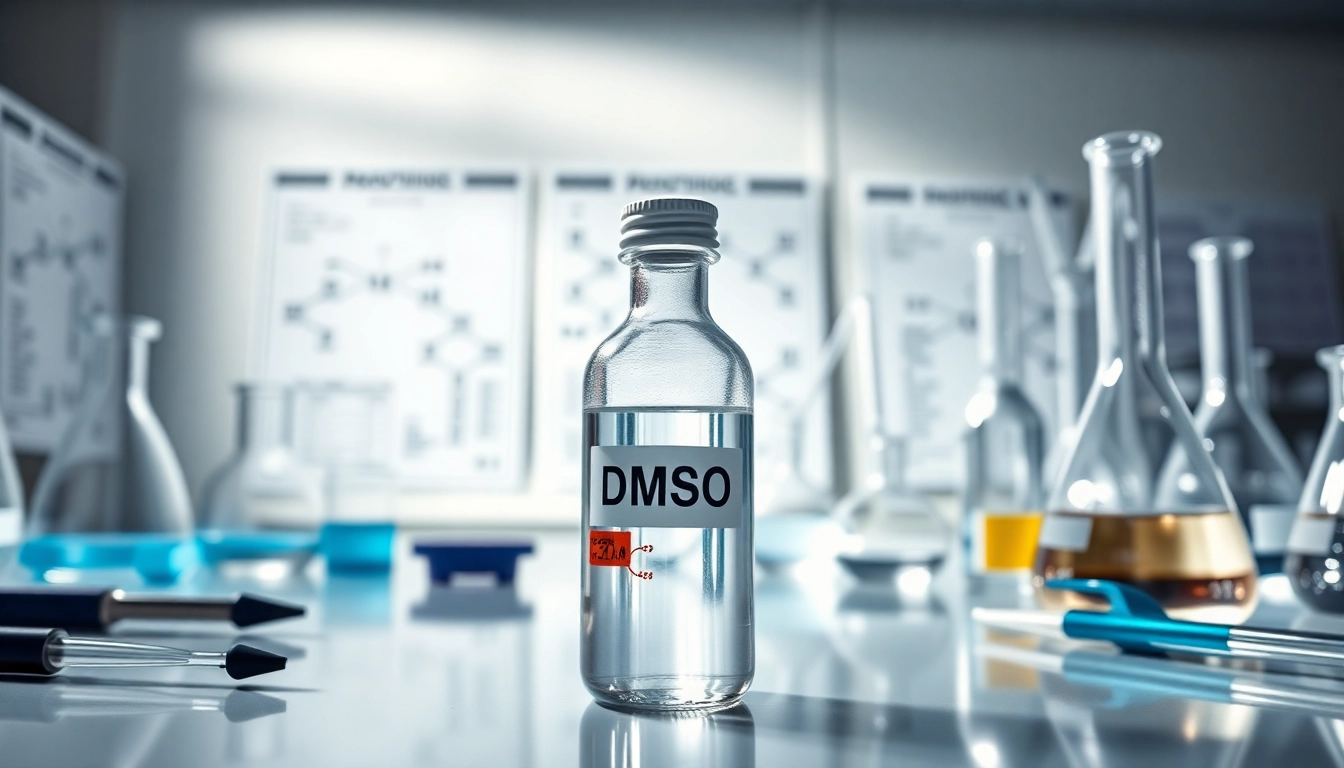
Understanding DMSO: Chemical Properties and Background
What is DMSO?
Dimethyl sulfoxide, commonly known as DMSO, is an organosulfur compound distinguished by its unique molecular structure. Its chemical formula is (CH3)2SO, indicating that it consists of two methyl groups (CH3) bonded to a sulfoxide functional group (SO). This colorless liquid boasts both polar and non-polar characteristics, making it an effective solvent for various organic and inorganic compounds. Beyond its roles in chemistry, DMSO has gained attention in the medical field due to its anti-inflammatory properties and potential therapeutic applications. For additional insights into DMSO, you can visit dmso.
Chemical Properties of DMSO
DMSO is remarkable not just for its biological implications but also for its physical and chemical properties. The compound is hygroscopic, meaning it readily absorbs water vapor from the atmosphere. This property allows DMSO to serve as an excellent solvent, as it can dissolve both polar and non-polar substances. It has a relatively high boiling point of 189 °C (372 °F) and a freezing point of 18.5 °C (65.3 °F), indicating its efficacy across a wide range of temperatures.
Moreover, DMSO exhibits low toxicity and is noted for its ability to penetrate biological membranes. These qualities enable it to carry other compounds with it into the body, which is especially valuable in medical applications where targeted drug delivery is required. Its high polarity also supports its role in chemical synthesis and reaction medium.
History and Discovery of DMSO
DMSO was first synthesized in 1866 by the Russian chemist Alexander M. Zaytsev. Originally derived from lignin during the wood pulp processing, its unique properties were highlighted during World War II when it was investigated for medical application. By the 1960s, DMSO had gained medical interest, especially as a topical analgesic and anti-inflammatory agent.
However, it faced scrutiny from the medical community and regulatory bodies such as the FDA, primarily due to concerns regarding its side effects and potential misuse as an unregulated cure-all. Despite this, its historical journey has paved the way for modern research into DMSO's beneficial uses in medicine today.
Uses of DMSO in Medicine
DMSO as a Topical Treatment
DMSO is primarily used for its analgesic properties, particularly for relieving pain associated with various conditions, such as arthritis and muscle sprains. Often applied topically, it can help reduce inflammation and swelling. The mechanism is believed to involve inhibition of inflammatory mediators and pain pathways in the body.
Healthcare practitioners may prescribe DMSO in varying concentrations, typically about 70% solution for topical use. The unique ability of DMSO to rapidly penetrate the skin allows it to carry other therapeutic agents into the underlying tissue, enhancing their efficacy.
Potential Risks and Precautions
While DMSO is generally considered safe, it is not without risks. Potential side effects include skin irritation, allergic reactions, and a garlic-like taste or odor that some users report. Due to its solvent properties, it can also draw impurities from the skin or surrounding environment into the body. Hence, it's crucial to ensure that the application area is clean and free from contaminants.
Low-level long-term use has limited known side effects; however, patients with kidney problems should approach DMSO with caution and consult a physician prior to use.
Research on DMSO for Cancer Treatment
The potential of DMSO in oncology has garnered research interest, primarily for its role as a carrier agent for cancer medications. Studies suggest that DMSO may enhance the permeability of drugs like chemotherapy agents into tumors, overcoming the challenges posed by the blood-brain barrier in brain cancers.
Preclinical studies indicate that DMSO may possess direct anti-cancer effects, slowing down the growth of certain cancer cell lines. However, further rigorous clinical trials are necessary to fully understand its effectiveness and safety profile in cancer therapy.
DMSO in Industrial Applications
DMSO as a Solvent in Chemical Reactions
DMSO has significant industrial relevance, primarily serving as a solvent in various chemical reactions. Its ability to dissolve a wide range of polar and non-polar substances makes it ideal for use in organic synthesis, polymerizations, and extractions. DMSO is often utilized in laboratories for HPLC and spectrophotometry due to its strong capacity to solubilize compounds.
Furthermore, DMSO is valuable in extracting substances from natural materials, contributing to fields such as biotechnology and pharmaceuticals.
Environmental Uses of DMSO
As environmental concerns rise, DMSO is being explored for its applications in ecological restoration and pollution remediation. Its solvent qualities allow DMSO to dissolve and mobilize various pollutants, making it a candidate for remediation technologies in contaminated soils and water bodies.
Research continues into using DMSO as a greener solvent alternative in chemical processes, contributing to sustainable industrial practices.
Safety and Handling of DMSO in Industry
When working with DMSO in industrial settings, safety protocols must be strictly adhered to. Appropriate personal protective equipment (PPE)—including gloves, goggles, and lab coats—is essential to minimize skin and eye exposure. Proper ventilation is also critical, as inhalation of vapors can irritate the respiratory tract.
Due to its hygroscopic nature, DMSO containers should be kept tightly sealed to prevent moisture absorption, which can affect its purity and efficacy.
Best Practices for Using DMSO
How to Use DMSO Safely at Home
Utilizing DMSO effectively and safely at home involves understanding appropriate usage methods. First, always conduct a patch test to check for sensitivity. Apply a small amount to a limited skin area to observe any adverse reactions before broader use.
When applying DMSO topically, ensure the skin is clean and free of oils, lotions, or other irritants that could enhance absorption of contaminants. To ensure efficacy, consider consulting with a healthcare provider for the ideal concentration and frequency of use.
Dosing Guidelines for DMSO
Dosing of DMSO should be tailored to the individual's needs and condition being treated. For general topical use, concentrations typically range from 50% to 90%, depending on the severity of the condition. Applications may vary from once to multiple times daily based on medical advice.
Those utilizing DMSO for non-medical reasons should approach dosing conservatively and consult relevant literature or professionals to avoid potential side effects.
Potential Interactions and Contraindications
As with any treatment, DMSO may interact with other medications. It's crucial to inform healthcare providers of all substances being taken, especially anticoagulants and other therapeutic agents, as DMSO can enhance their absorption and effects.
Contraindications typically include patients with renal impairment or those allergic to sulfur-containing compounds. Pregnant or breastfeeding women should use DMSO only under medical supervision due to possible risks to the fetus or infant.
FAQs About DMSO
1. What Conditions Can DMSO Help Treat?
DMSO is primarily used to relieve pain and inflammation related to conditions like arthritis, muscle strains, and sprains.
2. Can DMSO Be Used Topically?
Yes, DMSO is commonly used topically. It penetrates the skin effectively to deliver pain relief and anti-inflammatory effects.
3. Is DMSO Safe for All Patients?
DMSO may not be safe for everyone, especially those with kidney issues, allergies to sulfur compounds, or pregnant women. Consultation with a physician is advised.
4. How Does DMSO Work in the Body?
DMSO works primarily as an anti-inflammatory agent, inhibiting inflammatory pathways and facilitating better penetration of drugs into tissues.
5. Are There Any Side Effects of DMSO?
Potential side effects of DMSO include skin irritation, allergic reactions, and a garlic-like taste. Users should be cautious and monitor their response.