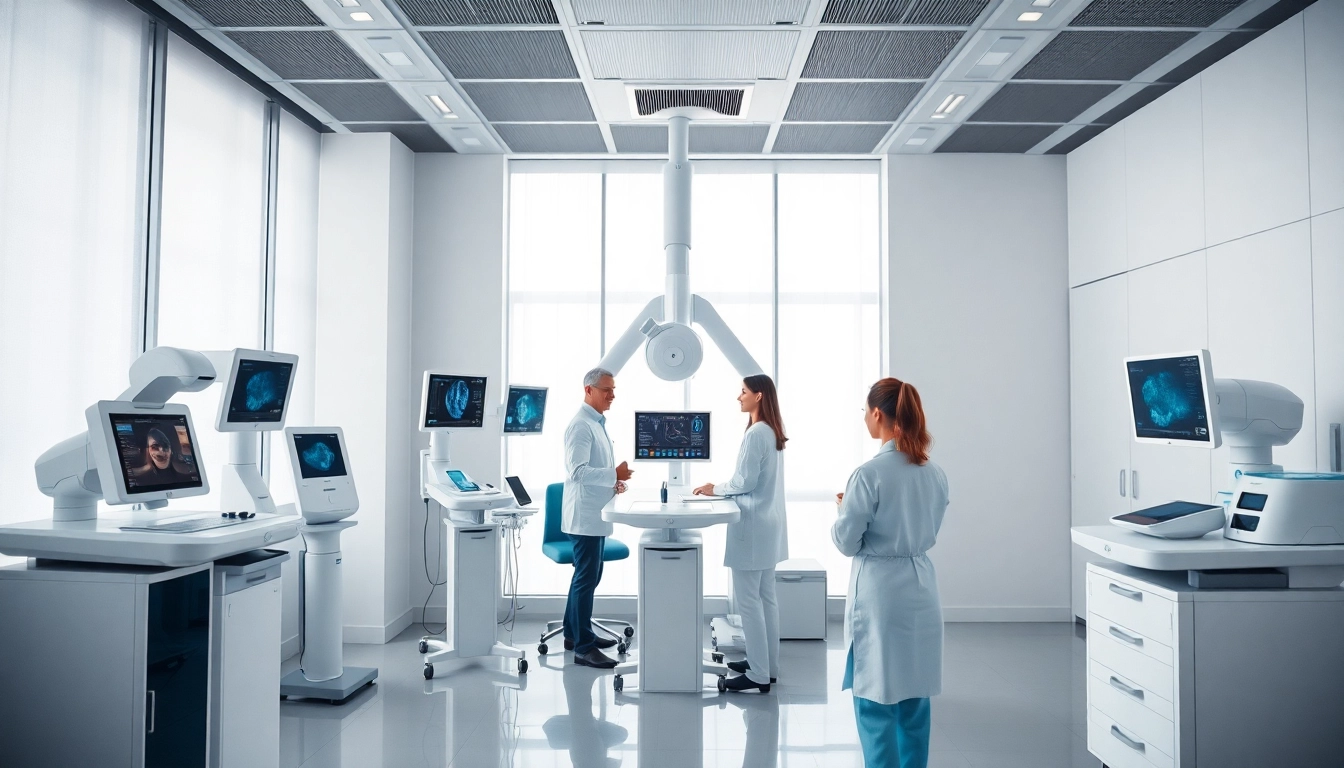
The Evolution of Philips and its Role in Healthcare
Historical Background of Philips
Founded in Eindhoven in 1891 by Gerard Philips and his father, Frederik Philips, Koninklijke Philips N.V. has transformed remarkably over the decades. Initially focusing on electric light bulbs, Philips quickly expanded its portfolio to include various consumer electronics. Over the years, the company has repositioned itself from consumer electronics to become a leader in health technology, reflecting the growing importance of health within its corporate identity. You can learn more about Philips on their news website where they showcase their latest innovations and contributions to health technology.
Philips’ Transition to Health Technology
In a significant strategy shift around the late 1990s and early 2000s, Philips prioritized its health technology segment. This transition was primarily driven by the increasing global demand for healthcare solutions and innovative medical technologies. By divesting non-core businesses, such as consumer electronics, Philips could streamline its focus on healthcare mechanisms, medical imaging, and patient monitoring systems. This focused effort has led to the development of devices such as advanced imaging systems, vital sign monitors, and advanced healthcare informatics solutions.
Impact of Innovations on Global Health
Philips' innovations have had a profound impact on global health systems. Its imaging technologies, including MRI machines and ultrasound devices, have transformed diagnostic medicine, allowing for earlier detection of diseases and improving patient outcomes. The development of telehealth solutions has further bridged gaps in access to healthcare, especially in rural and underserved communities. These contributions place Philips at the forefront of addressing pressing health challenges worldwide, indicating the crucial role technology plays in enhancing healthcare delivery.
Key Philips Products that Transform Lives
Innovative Healthcare Devices by Philips
Philips has crafted a range of healthcare devices that are integral to modern medical practice. Their line of smart medical devices incorporates artificial intelligence and machine learning, providing accurate early warnings and facilitating proactive patient care. For instance, the Philips IntelliVue monitors provide real-time monitoring of patient vitals in hospital settings, increasingly used in critical care. Furthermore, the company's portfolio includes products designed for home healthcare, empowering patients to manage their health conditions more effectively at home.
Consumer Lifestyle Products Improving Daily Living
Beyond its healthcare focus, Philips also excels in consumer lifestyle products that enhance daily living. Their offerings, such as air fryers, high-performance blenders, and personal care devices like electric shavers and hairdryers, emphasize health and well-being at home. The design and functionality of these products mirror consumer preferences for healthy living, showcasing Philips’ dedication to innovation that resonates with daily consumer habits.
Eco-Friendly Lighting Solutions from Philips
In alignment with sustainability goals, Philips has developed a range of eco-friendly lighting solutions. Their LED lighting products promote energy efficiency and longevity, significantly reducing electricity consumption compared to traditional lighting. This commitment to sustainability not only benefits consumers economically but also reduces environmental impacts, demonstrating Philips’ holistic approach to product development across various segments.
Philips' Commitment to Sustainable Development
Environmental Initiatives and Practices
Philips strives to lead in sustainability through various environmental initiatives and practices. This involves reducing waste throughout the product lifecycle, employing sustainable materials, and increasing energy efficiency in manufacturing operations. Their commitment is reflected in goals to become carbon neutral in its operations and to enhance the recyclability of its products by 2025. Such initiatives highlight Philips' role in promoting global sustainability and responsible manufacturing.
Corporate Social Responsibility at Philips
Philips emphasizes corporate social responsibility (CSR) through various programs aimed at enhancing community health and well-being. Their initiatives include partnerships with organizations focused on public health challenges, educational outreach, and investing in local communities. These efforts not only improve the brand image but also establish a connection with consumers who value corporate responsibility.
How Philips Supports Health Equity
Addressing health equity is at the heart of Philips’ mission. The company develops solutions tailored to meet the unique needs of underserved populations, driving health outcomes across diverse demographics. Efforts like providing affordable health technologies and engaging in public-private partnerships help to ensure equal access to essential health services. Philips’ investment in health equity initiatives illustrates a profound commitment to impacting global health positively.
Understanding Philips’ Market Position and Competitors
Market Share and Economic Performance
Philips holds a significant share of the global healthcare technology market, supported by its continuous innovation and strategic mergers and acquisitions. The company’s reported revenue demonstrates robust performance, reflecting its capacity to adapt to changing market dynamics while focusing on healthcare solutions. Investment in research and development further cements Philips' role as a leader in health technology.
Competitive Landscape Analysis
The competitive landscape for Philips consists of various players focusing on health technology and consumer lifestyle products. Staying ahead in this landscape requires continuous innovation and adaptability to changing consumer preferences and technological advancements. Philips differentiates itself through quality, brand reputation, and a strong focus on health-related innovations, which positions the brand favorably in consumer and enterprise markets.
Challenges Facing Philips in the Industry
Despite its strong market position, Philips faces several challenges, including rapid technological advancements and increased competition from both established and emerging firms. Additionally, the ongoing pressures of regulatory compliance in healthcare markets pose a constant challenge for operations. Addressing these challenges requires strategic foresight and a robust adaptive framework to ensure long-term growth and sustainability.
FAQs About Philips
What types of products is Philips known for?
Philips produces a range of healthcare devices, household appliances, and lighting solutions, emphasizing health and well-being.
Where is Philips headquartered?
Philips is headquartered in Amsterdam, Netherlands, where it continues its innovation journey in health technology.
How does Philips contribute to environmental sustainability?
Philips actively implements sustainable practices in product design and manufacturing to reduce its environmental impact.
What innovations has Philips introduced recently?
Philips has focused on developing smart healthcare solutions, including telehealth technologies and advanced medical equipment.
Is Philips involved in corporate social responsibility?
Yes, Philips is committed to improving health equity and supporting communities through various social initiatives.