Understanding One Stop PCB Assembly
In the ever-evolving landscape of electronics manufacturing, the need for efficient and cost-effective solutions has led to the rise of one stop PCB assembly services. This approach consolidates various stages of the printed circuit board (PCB) production process into a single, streamlined service, simplifying the production journey for businesses of all sizes—from startups to established manufacturers. By understanding what one stop PCB assembly entails, companies can improve their manufacturing efficiency, reduce costs, and enhance product quality.
What is One Stop PCB Assembly?
One stop PCB assembly refers to a comprehensive manufacturing service that manages all aspects of PCB production under one roof. This typically includes services such as designing, prototyping, sourcing components, assembling, testing, and even shipping the final products. The primary aim is to simplify the supply chain and reduce lead times by allowing customers to handle all their PCB needs through a single provider, thereby enhancing operational efficiency.
Benefits of Integrated Manufacturing Solutions
Integrating multiple stages of PCB manufacturing offers several benefits:
- Reduced Lead Times: By consolidating processes, companies can significantly decrease the time it takes to move from design to finished product.
- Cost Efficiency: Sourcing all services from a single vendor often leads to bulk purchasing discounts and minimizes the overhead costs associated with managing multiple suppliers.
- Improved Quality Control: When a single company oversees the entire manufacturing process, it ensures tighter quality control, reducing the risk of errors and defects.
- Simplified Communication: With one point of contact for all services, communication becomes more straightforward, reducing the risk of misunderstandings that can arise when dealing with multiple vendors.
Key Components Involved in the Process
The one stop PCB assembly process encompasses several critical components:
- Design Services: Expert designers create layouts that meet specific electrical and mechanical requirements.
- Component Sourcing: This phase involves identifying and procuring the necessary electronic components required for assembly.
- PCB Fabrication: The actual manufacturing of the circuit boards using advanced technology and materials.
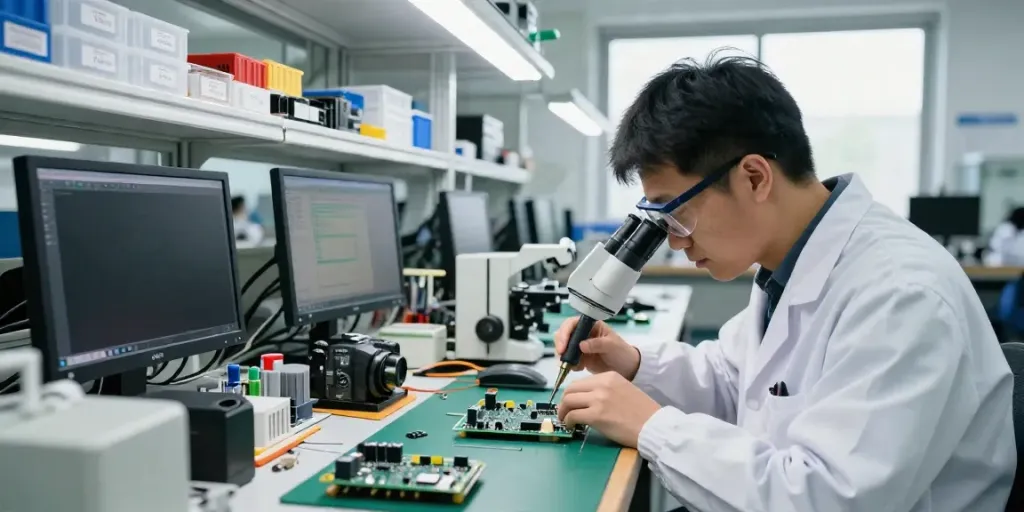
- Assembly: Components are soldered onto the PCB to create the final product.
- Testing: Rigorous testing is conducted to ensure the functionality and reliability of the final assembly.
- Logistics: Packaging and shipping the completed assemblies to the client's location.
The PCB Assembly Process Breakdown
Understanding the PCB assembly process is crucial to appreciating how one stop services function. This section will break down the assembly stages, highlight common challenges, and outline best practices for quality assurance.
Step-by-Step Guide to PCB Assembly
The typical PCB assembly process can be divided into several stages:
- Design Creation: Engineers utilize CAD software to create PCB layouts that optimize space and component placement.
- Prototype Development: A small batch of prototypes is created to validate the design and functionality.
- Component Procurement: Components are sourced based on the bill of materials (BOM), ensuring compatibility and quality.
- PCB Fabrication: The physical boards are manufactured, often involving multiple layers and complex features.
- Assembly: This may include surface mount technology (SMT) and through-hole soldering, depending on design requirements.
- Testing and Quality Assurance: Various tests (e.g., electrical testing, visual inspections) are conducted to ensure product reliability.
- Final Assembly and Packaging: The PCBs are assembled into enclosures (if necessary) and packaged for delivery.
Common Challenges in PCB Assembly
While one stop PCB assembly services streamline the process, there are challenges to be mindful of:
- Supply Chain Disruptions: Global supply chain issues can impact the availability of critical components.
- Design Changes: Changes made late in the design process can lead to production delays and increased costs.
- Quality Control Issues: Maintaining consistent quality can be challenging, especially when dealing with high volumes.
Best Practices for Quality Control
Implementing robust quality control measures is essential to ensure the integrity of assembled PCBs. Here are some best practices:
- Standard Operating Procedures (SOPs): Develop and maintain SOPs for each stage of the assembly process.
- Regular Training: Invest in ongoing training for staff to stay abreast of the latest technologies and assembly techniques.
- Comprehensive Testing: Use a combination of automated and manual testing strategies to catch defects early.
Choosing the Right One Stop PCB Assembly Partner
Selecting the right partner for one stop PCB assembly is critical for achieving business objectives and ensuring high-quality products. Consider the following criteria when making your choice:
Criteria for Selecting a PCB Manufacturer
When evaluating potential assembly partners, consider the following:
- Experience and Expertise: Look for manufacturers with a proven track record and expertise in your specific industry.
- Technology and Equipment: Ensure they use advanced technology and equipment that meets current standards.
- Certifications: Check for relevant certifications such as ISO or IPC that demonstrate quality commitment.
Evaluating Service Offerings: Cost vs. Quality
While cost is an important factor, it should not be the sole determining factor. Evaluate the balance between cost and quality:
- Cost Analysis: Compare quotes from different manufacturers, but ensure that the lowest quote does not compromise quality.
- Value-Added Services: Consider services such as design assistance, rapid prototyping, and after-sales support as indicators of a quality partner.
Importance of Customer Support and Communication
Effective communication is vital in any partnership. Assess a potential partner's customer service capabilities:
- Response Time: Evaluate their responsiveness to queries and concerns.
- Support Structure: Ensure they have a robust support structure in place for ongoing assistance.
Future Trends in PCB Assembly
As technology continues to advance, several trends are shaping the future of PCB assembly:
Technological Advancements Transforming the Industry
New technologies are revolutionizing how PCBs are designed and manufactured:
- Automation: Increased automation in assembly processes improves efficiency and reduces labor costs.
- IoT Integration: Smart technologies are being integrated into PCBs for enhanced functionality and data collection.
Sustainability and Eco-friendly Practices in PCB Manufacturing
With growing environmental concerns, the industry is moving towards more sustainable practices:
- Material Choices: Many manufacturers are opting for eco-friendly materials and processes.
- Energy Efficiency: Reducing energy consumption during production is becoming a priority.
What to Expect in the Next Five Years
The future of one stop PCB assembly looks promising, with advancements expected in various areas:
- Enhanced Customization: Manufacturers will increasingly offer customized solutions tailored to specific needs.
- Increased Collaboration: Enhanced collaboration between design and manufacturing teams will lead to better product outcomes.
FAQs About One Stop PCB Assembly
What is the PCB assembly process?
The PCB assembly process involves several steps, including design, component procurement, fabrication, assembly, testing, and delivery.
How much does a single PCB cost?
The cost of a single PCB can vary widely depending on factors like complexity, size, and the number of layers, but it typically ranges from $1 to $50 per unit for standard designs.
What materials are used in PCB assembly?
Common materials used in PCB assembly include FR-4 (a flame-retardant fiberglass), copper for conductive layers, and various substrates for insulation.
Can I order small batches of PCBs?
Yes, many manufacturers offer small batch production runs, which is particularly beneficial for prototyping and low-volume production.
How can I ensure quality in PCB assembly?
Implementing rigorous testing protocols, using quality components, and selecting a reputable assembly partner are key strategies for ensuring quality in PCB assembly.