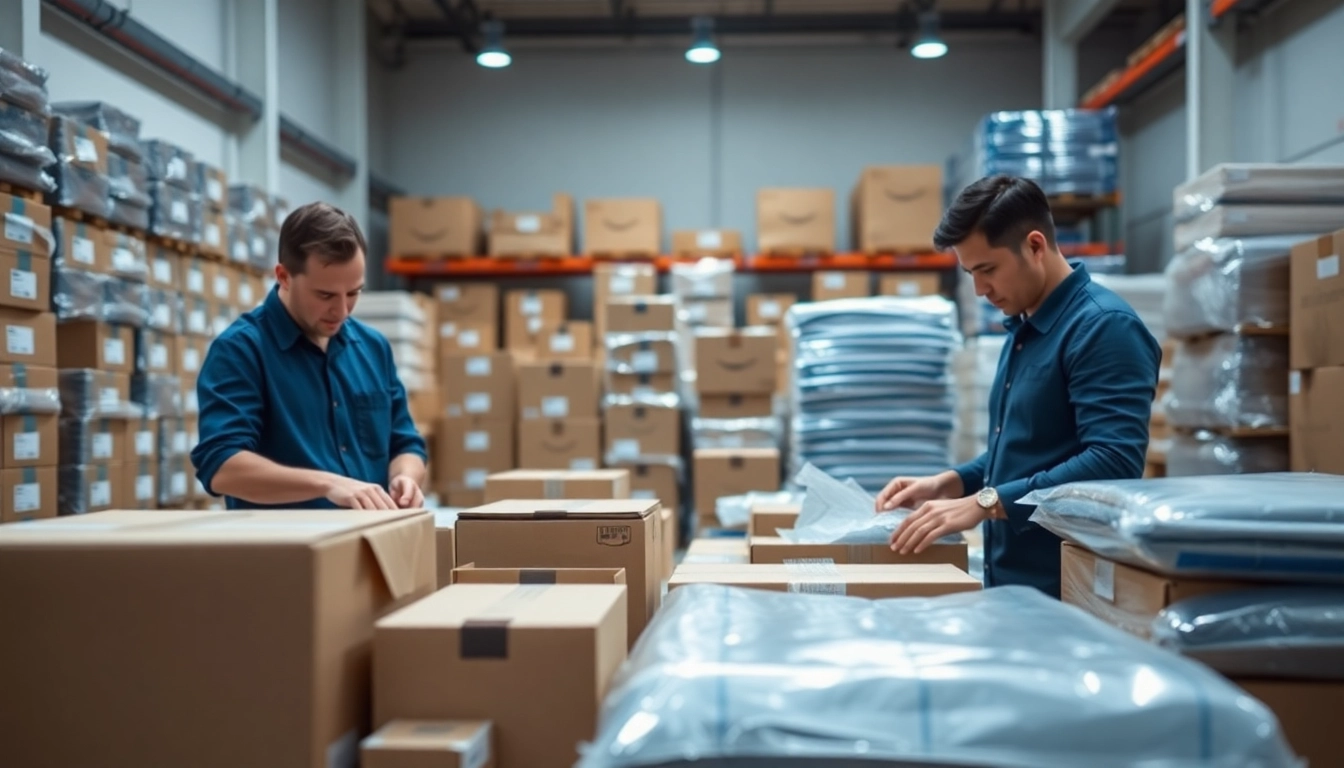
Understanding Amazon FBA Packaging Requirements
As an Amazon seller, it is crucial to understand the packaging requirements for Amazon FBA Packaging. Failure to comply with these requirements can result in delays, additional costs, and even the return of your products. This guide covers everything you need to know about Amazon FBA packaging, from defining what it is to understanding the specifications and common mistakes to avoid.
What is Amazon FBA Packaging?
Amazon FBA (Fulfillment by Amazon) is a service that allows sellers to store their products in Amazon’s fulfillment centers. When a product sells, Amazon takes care of storage, packaging, and shipping. The packaging aspect is critical because it directly affects product safety, shipping efficiency, and customer satisfaction.
In this context, Amazon FBA packaging refers to the methods and materials utilized to prepare products for shipment to and from Amazon warehouses. This includes requirements such as box dimensions, weight limits, labeling, and more, all of which are established to ensure products arrive in perfect condition.
Key Specifications for Amazon FBA Packaging
Packaging for Amazon FBA must comply with specific guidelines to facilitate a smooth shipping process. Here are the key specifications:
- Box Dimensions: Boxes must not exceed 25 inches on any side.
- Weight Limit: Boxes can weigh up to 50 pounds unless items within exceed the threshold.
- Material: Packaging must be sturdy, using six-sided boxes or sealed poly bags that can withstand moderate pressure.
- Sealing: Boxes must be securely sealed to protect the contents against damage during transit.
- Labels: Each item must have a scannable barcode, usually an FNSKU or UPC, and any necessary compliance labels.
Common Mistakes to Avoid in Amazon FBA Packaging
Sellers can often overlook certain details when packaging their products. Here are common mistakes to avoid:
- Inadequate Sealing: Failing to seal packages properly can result in items being damaged during shipping.
- Incorrect Labeling: Not following labeling guidelines can lead to delays or returns.
- Using Incorrect Box Sizes: Oversized or undersized packages can result in higher shipping costs or rejected deliveries.
- Poor Material Choices: Using low-quality materials can jeopardize the safety of the products during transit.
Choosing the Right Materials for Amazon FBA Packaging
Types of Packaging Materials
The kind of materials you choose for Amazon FBA Packaging is just as critical as following guidelines. The following options are commonly used:
- Cardboard Boxes: Ideal for bulk items and multi-item packages, offering durability and affordability.
- Poly Bags: Great for smaller, non-fragile items, providing good protection against moisture.
- Padded Envelopes: Suitable for smaller items requiring extra protection such as electronics or fragile products.
- Foam Inserts: For delicate items, foam can provide cushioning to prevent damage during transit.
Eco-Friendly Options for Amazon FBA Packaging
With more consumers caring about sustainability, utilizing eco-friendly packaging materials makes a positive impact. Consider these options:
- Biodegradable Packing Materials: Materials that break down faster in the environment can reduce plastic waste.
- Recyclable Cardboard: Using recycled cardboard can minimize the footprint of your packaging.
- Plant-Based Plastics: These materials are often more sustainable than traditional plastics.
Cost Considerations for Amazon FBA Packaging Materials
While choosing packaging materials, cost is an essential factor. Celebrated brands calculate the cost-per-unit efficiently by considering factors such as:
- Material Costs: The price of packaging materials can vary significantly.
- Shipping Costs: Overly heavy or large packages can elevate shipping expenses.
- Storage Fees: Larger packages may incur additional storage fees at fulfillment centers.
Labeling and Documentation in Amazon FBA Packaging
Essential Labels for Amazon FBA Packaging
Proper labeling is vital for ensuring your products are processed and shipped correctly. Essential labels include:
- FNSKU Labels: These unique identifiers are crucial for tracking and managing inventory.
- Shipping Labels: Include clear delivery addresses and barcodes for swift processing.
- Compliance Labels: Some products might require regulatory labels to meet safety standards.
Proper Documentation for Efficient Shipping
Proper documentation ensures that Amazon has all the necessary information to process shipments efficiently. This includes:
- Invoice Documentation: This should include information regarding the shipped products.
- Customs Documentation: For international shipments, fulfilling customs requirements is essential.
- Shipping Contract: This outlines the agreement between sellers and carriers.
FAQs on Labeling for Amazon FBA Packaging
Here are some frequently asked questions regarding labeling for Amazon FBA Packaging:
- What labels do I need for FBA? You need FNSKU labels, shipping labels, and compliance labels.
- Can I print my labels? Yes, you can print your labels at home, ensuring they meet Amazon’s specifications.
- How many labels do I need? You will require one label per unit of product that you're sending to FBA.
- Do I need to apply labels to boxes? Yes, ensure each box has clear shipping and return information.
- Can I use pre-printed labels? Yes, but make sure they comply with Amazon’s labeling guidelines.
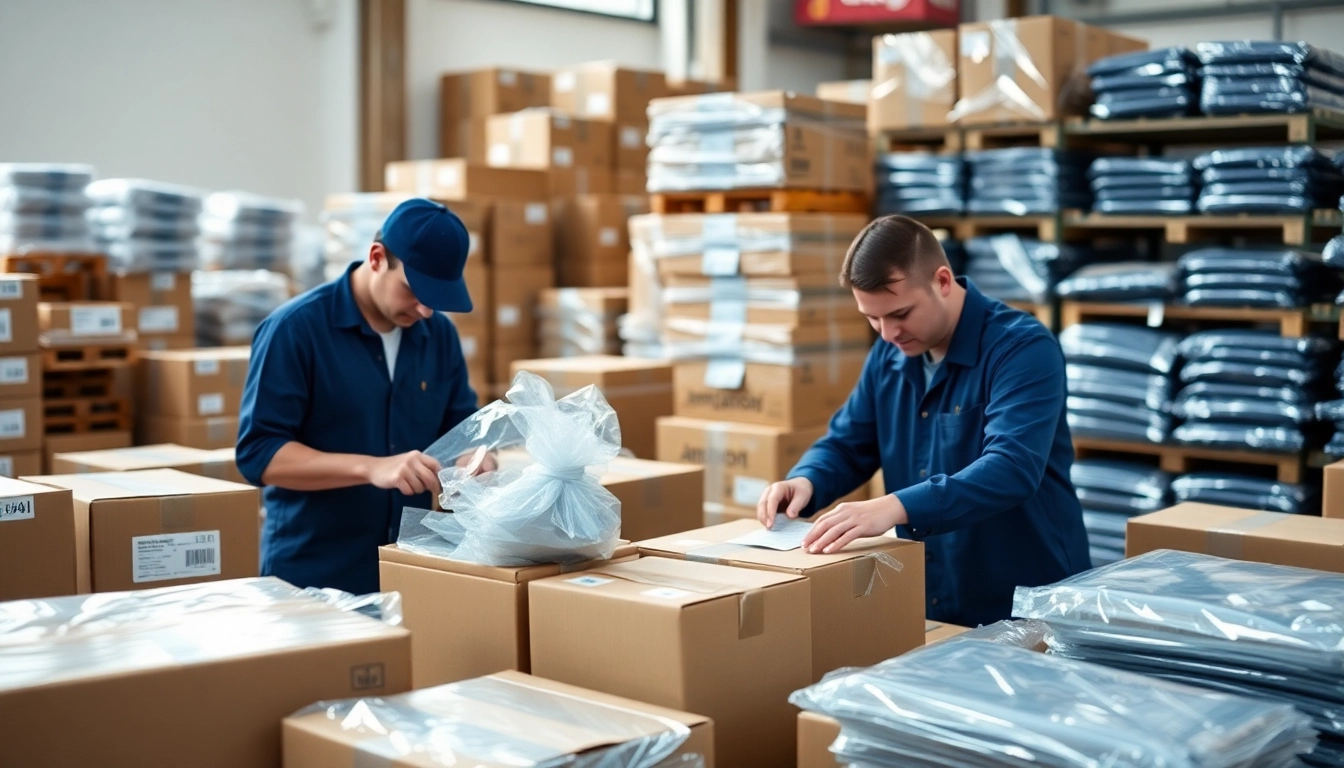
Preparing and Shipping Your Amazon FBA Packages
Steps to Prepare Your Products
Preparing your products for shipment requires careful attention to detail. Follow these steps:
- Inspect Your Products: Ensure all items are in perfect condition and match the listing.
- Pack Items Securely: Use appropriate packaging materials based on the product type.
- Label Each Item: Apply the required labels correctly to each product.
- Consolidate Items: Group similar products together to streamline processing.
Shipping Best Practices for Amazon FBA Packaging
To optimize the shipping process, remember the following best practices:
- Use Trusted Carriers: Partner with reliable shipping providers to reduce delays and damages.
- Track Shipments: Maintain a record of tracking numbers for visibility.
- Understand Shipping Times: Familiarize yourself with expected shipping durations, especially for international deliveries.
Tracking Your Shipments Effectively
Effective tracking ensures smooth operations and timely updates. Here’s how you can track your shipments:
- Utilize Amazon’s Tools: Use Amazon's Seller Central features for real-time tracking updates.
- Communicate with Carriers: Stay in touch with your shipping provider for additional tracking support.
- Set Up Notifications: Enable alerts to receive updates about shipment status automatically.
Frequently Asked Questions about Amazon FBA Packaging
What are the dimensions for Amazon FBA packaging?
Boxes must not exceed 25 inches on any side, ensuring they fit the shipping criteria established by Amazon.
Can I use custom branding for Amazon FBA packaging?
Yes, you can use custom branding as part of the Ships in Product Packaging program for eligible products.
How do I ensure my products are secure during shipping?
Use sturdy packaging, adequate padding, and sealing to keep products safe. Always adhere to Amazon's packaging guidelines.
Is there a weight limit for Amazon FBA boxes?
The weight limit is 50 pounds per box, unless individual items are heavier. In such cases, labeling is essential.
What if my package doesn’t meet Amazon's requirements?
Packages failing to meet requirements will likely be rejected at fulfillment centers, leading to return or rework costs.