Understanding Wholesale Pricing in the Used Car Market

Defining Wholesale Prices for Used Cars
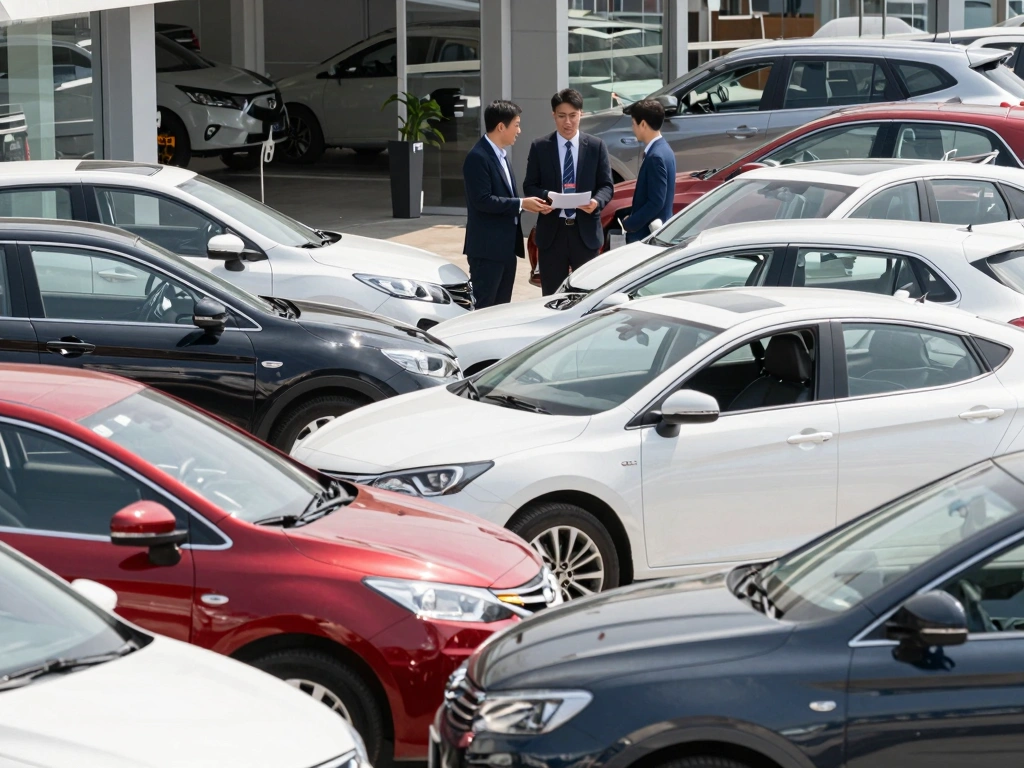
Wholesale prices in the used car market refer to the amounts paid by dealers when acquiring vehicles from auctions, trade-ins, or other dealerships. These prices are generally lower than the retail prices consumers see on dealership lots. Understanding these wholesale prices is crucial for dealers as it directly impacts their pricing strategies and profit margins.
For instance, if a used car is purchased at a wholesale price of $15,000, the dealer must consider all additional expenses—such as reconditioning, transportation, and overhead—before setting the retail price. These costs can significantly affect how much profit a dealer aims to make on the sale of that vehicle.
The Role of Auctions in Setting Wholesale Prices
Auction houses play a pivotal role in determining wholesale prices for used cars. These venues, such as Manheim and ADESA, serve as platforms where dealers bid on vehicles, setting a competitive market price. The auction process allows dealers to quickly assess the value of a vehicle based on its condition, mileage, and market demand.
For example, if a 2018 Honda Accord with moderate mileage is auctioned and sells for $18,000, this price serves as a benchmark for similar vehicles in the market. The competitive nature of auctions ensures that wholesale prices reflect current market trends and demand, which in turn influences retail pricing strategies.
Factors Influencing Wholesale Pricing Trends
Several factors influence wholesale pricing trends in the used car market:
- Vehicle Condition: Cars that are well-maintained and have a clean history report typically fetch higher wholesale prices.
- Mileage: Lower mileage vehicles are often more desirable, resulting in higher wholesale prices.
- Market Demand: A surge in demand for certain vehicle types—like SUVs during winter months—can increase wholesale prices.
- Economic Conditions: Economic downturns can lead to lower demand, resulting in decreased wholesale prices.
Understanding these factors helps dealers make informed decisions about their purchasing strategies and anticipated retail markups.
The Impact of Wholesale Prices on Retail Markup Strategies
Calculating Retail Markup Based on Wholesale Costs
Retail markup is calculated by taking the wholesale price and adding a percentage to cover costs and desired profit. The formula looks like this:
Retail Price = Wholesale Price + (Wholesale Price * Markup Percentage)
For example, if a dealer acquires a used Ford F-150 for $25,000 and applies a 15% markup, the retail price would be:
$25,000 + ($25,000 * 0.15) = $28,750
This calculation illustrates how wholesale prices serve as the foundation for setting retail prices, allowing dealers to maintain profitability while remaining competitive in the market.
Common Retail Markup Percentages for Used Cars
Retail markups for used cars typically range from 10% to 25%, depending on several factors such as the vehicle type, market conditions, and dealership location. Luxury vehicles may see higher markups, sometimes exceeding 30%, due to their perceived value and demand.
For example, a luxury SUV like a BMW X5 might have a wholesale price of $40,000. If the dealership applies a 25% markup, the retail price would be:
$40,000 + ($40,000 * 0.25) = $50,000
This demonstrates how the markup percentage can significantly influence the final retail price, impacting both sales volume and profit margins.
Variability of Markups Across Different Vehicle Types
The type of vehicle also plays a crucial role in determining retail markups. Generally, higher-demand vehicles, such as compact cars and trucks, may have lower markups due to increased competition among dealers. Conversely, niche markets, such as electric vehicles or luxury cars, often allow for higher markups due to limited supply and greater consumer interest.
For instance, during a period when gas prices surge, compact cars might see a lower wholesale price but could still be sold at a higher markup due to increased demand. Conversely, a specialty vehicle like a Tesla Model S may have a higher wholesale price but can command an even higher markup, reflecting its desirability and limited availability.
Market Dynamics: Supply, Demand, and Their Effects on Pricing
How Supply Chain Issues Affect Wholesale Prices
Supply chain disruptions—whether due to economic conditions, natural disasters, or pandemics—can have a dramatic impact on wholesale prices. For instance, during the COVID-19 pandemic, semiconductor shortages caused new car production to plummet, leading to increased demand for used cars and subsequently higher wholesale prices.
As dealers faced higher acquisition costs, they were forced to adjust their retail prices accordingly. As a result, a used car that may have sold for $20,000 pre-pandemic could see prices soar to $25,000 or more due to scarcity and heightened competition among buyers.
The Role of Consumer Demand in Markup Adjustments
Consumer demand is a critical factor in determining retail markups. When demand is high, dealers often increase their markups to capitalize on the willingness of consumers to pay more. Conversely, in a saturated market where supply exceeds demand, dealers may lower their markups to attract buyers.
For example, if a specific model, such as the Toyota Camry, sees an uptick in popularity due to favorable reviews, dealerships may increase their markups from the typical 15% to 20% or more, reflecting the renewed consumer interest.
Seasonal Trends and Their Influence on Pricing Strategies
Seasonal trends can also influence wholesale prices and subsequent retail markups. For instance, convertibles and sports cars tend to sell better in the spring and summer months, while SUVs and trucks see increased demand in the fall and winter due to weather considerations.
Dealers often adjust their inventory and pricing strategies accordingly. A convertible that may have a wholesale price of $25,000 in winter could see its retail price rise to $30,000 in the summer months as demand increases due to favorable weather.
Competitive Analysis: How Dealers Set Their Prices
Benchmarking Against Competitors’ Wholesale Prices
Dealers frequently benchmark their pricing against competitors to remain competitive in the market. By analyzing wholesale prices from various sources, including auctions and trade-ins, dealers can adjust their retail prices accordingly.
For example, if a dealer notices that similar used vehicles are selling for $27,000 at other dealerships, they might choose to price their equivalent model at $26,500 to attract buyers while still ensuring a profitable markup.
Price Matching and Its Effect on Retail Markups
Some dealerships offer price matching guarantees, which can also affect retail markups. By promising to match competitors' prices, dealerships must remain vigilant in monitoring wholesale prices to maintain profitability.
For instance, if a competitor sells a used vehicle at $24,000, a dealership offering price matching may need to adjust their markup to maintain their profit margin while still attracting customers. This strategy can lead to tighter margins in competitive markets.
Strategies for Differentiation in a Competitive Market
In a saturated market, differentiation becomes key for dealerships looking to maintain or increase their markups. Strategies might include offering extended warranties, certified pre-owned programs, or exceptional customer service.
For example, a dealership that offers a certified pre-owned program for vehicles might justify a higher retail markup by providing consumers with peace of mind, knowing they are purchasing a thoroughly inspected and guaranteed vehicle.
Case Studies: Successful Retail Markup Strategies
Examining Dealers with High Retail Markups
Some dealerships are known for successfully implementing high retail markups. For example, luxury car dealerships often operate with markups of 30% or more. By focusing on high-demand brands and providing exceptional service, these dealerships can maintain customer loyalty and justify their pricing strategies.
A specific case is a high-end dealership that specializes in brands like Porsche and Ferrari. By offering exclusive services, such as personalized vehicle customization and a luxury waiting area, they create a buying experience that customers are willing to pay a premium for.
Lessons from Dealers Who Keep Markups Low
Conversely, some dealerships thrive by keeping their markups low, focusing on volume sales rather than high margins. Discount dealerships often rely on high inventory turnover, selling vehicles at competitive prices to attract price-sensitive customers.
For example, a dealership that sells used cars at an average markup of just 10% may rely on aggressive marketing strategies and a wide selection of vehicles to drive sales. Their success shows that a lower markup can still yield substantial profits when supported by high sales volumes.
Analyzing the Impact of Marketing on Retail Pricing
Effective marketing strategies can also influence retail pricing. By creating a strong brand presence and employing digital marketing techniques, dealerships can attract customers willing to pay higher prices.
For example, a dealership that invests in online advertising and social media campaigns can create a sense of urgency around limited-time offers, prompting customers to act quickly and accept higher retail prices. In this way, marketing not only attracts customers but also supports the pricing strategies that ultimately determine a dealership's profitability.