Understanding Hashimoto's Thyroiditis
What is Hashimoto's Thyroiditis?
Hashimoto's thyroiditis is an autoimmune disorder where the immune system mistakenly attacks the thyroid gland, leading to inflammation and reduced hormone production. This condition is one of the most common causes of hypothyroidism, affecting millions globally. It predominantly affects women and can lead to various health problems if left untreated.
Symptoms and Diagnosis
The symptoms of Hashimoto's thyroiditis can vary widely. Common signs include fatigue, weight gain, cold intolerance, muscle weakness, and depression. Diagnosis usually involves a combination of physical exams, blood tests to measure thyroid hormone levels, and the presence of antibodies against thyroid peroxidase (TPO). Early diagnosis is crucial to managing the condition effectively.
The Role of Diet in Management
Diet plays a significant role in managing Hashimoto's thyroiditis. A well-balanced diet for Hashimoto's thyroiditis can help alleviate symptoms, improve hormone levels, and support overall health. This approach emphasizes whole, nutrient-dense foods and aims to minimize inflammation and potential food sensitivities.
Key Principles of a Diet for Hashimoto's Thyroiditis
Anti-Inflammatory Focus
One of the foundational principles of a diet for Hashimoto's is focusing on anti-inflammatory foods. Chronic inflammation can exacerbate symptoms and trigger disease progression. Incorporating foods high in omega-3 fatty acids, such as fatty fish, flaxseeds, and walnuts, can help reduce inflammation. Additionally, spices like turmeric and ginger are praised for their anti-inflammatory properties.
High Nutrient Density
Hashimoto's patients should prioritize foods rich in vitamins and minerals, especially those that support thyroid function. Nutrients like iodine, selenium, and zinc play vital roles. Selenium, found in Brazil nuts and fish, is particularly important, as it helps reduce thyroid inflammation. Leafy greens and colorful fruits and vegetables are essential for their antioxidant content, which strengthens the immune system.
Balancing Macronutrients
In a diet for Hashimoto's thyroiditis, it is crucial to balance macronutrients: carbohydrates, proteins, and fats. A well-rounded diet will include complex carbohydrates from whole grains and legumes, healthy fats from avocados and nuts, and quality protein from sources such as poultry, fish, and legumes. Balancing these nutrients helps regulate blood sugar levels and maintain energy throughout the day.
Best Foods for Hashimoto's Thyroiditis
Fruits and Vegetables
Fruits and vegetables should form the cornerstone of a Hashimoto's diet. Opt for a variety of colorful options to maximize nutrient intake. Berries, apples, citrus fruits, and dark leafy greens are particularly beneficial. They are rich in antioxidants, vitamins, and fiber, which support digestive health and aid in inflammation reduction.
Proteins and Healthy Fats
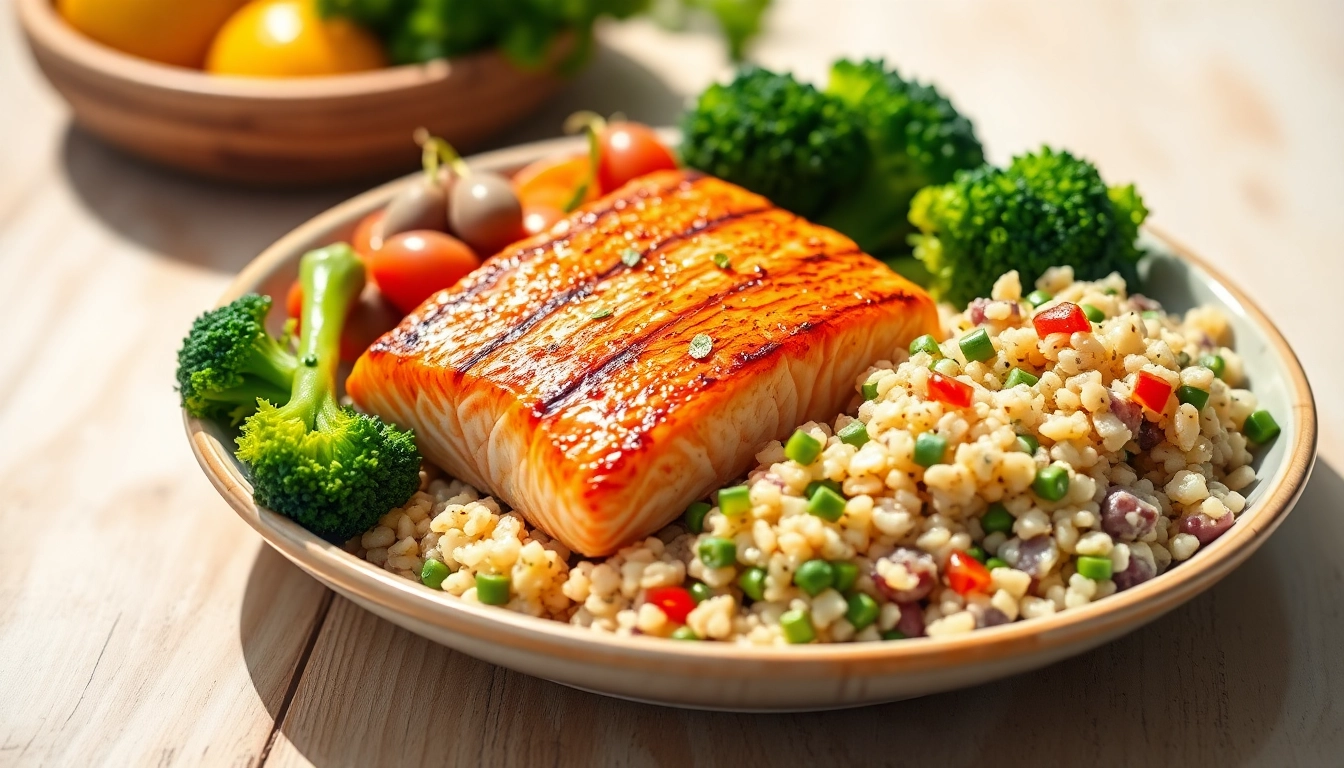
Quality protein sources are vital for maintaining muscle mass and overall health. Include lean meats, fish, eggs, and legumes in your meals. Healthy fats, such as those from olive oil, avocados, and nuts, are essential for hormone production and cognitive health. Incorporating fatty fish like salmon ensures adequate omega-3 intake, which has protective effects against inflammation.
Whole Grains and Legumes
Whole grains can be a valuable part of the diet for Hashimoto's thyroiditis, provided there are no gluten sensitivities. Options like quinoa, brown rice, and oats provide fiber, which is crucial for digestive health. Legumes, including lentils and chickpeas, are excellent plant-based protein sources and help stabilize blood sugar levels when consumed as part of balanced meals.
Foods to Avoid in Hashimoto's Diet
Gluten and Grain Considerations
Many individuals with Hashimoto's thyroiditis find that gluten exacerbates their symptoms. Gluten can lead to increased intestinal permeability, possibly triggering autoimmune responses. While not all will need to eliminate gluten, a trial period of a gluten-free diet can help identify potential sensitivities. Grains that often contain gluten, such as wheat, barley, and rye, should be approached with caution.
Processed Foods and Sugar
Processed foods typically contain additives, preservatives, and refined sugars that can worsen inflammation. Highly processed snacks, fast foods, and sugary beverages should be avoided to maintain steady energy levels and minimize symptom flare-ups. Instead, focus on whole, minimally processed foods that nourish the body and support thyroid health.
Common Allergens and Sensitivities
In addition to gluten, other common allergens may trigger symptoms in individuals with Hashimoto's. Dairy, soy, and certain nuts can cause reactions in some people. It may be beneficial to conduct an elimination diet to determine if these foods provoke an autoimmune response. Always consult a healthcare professional before significantly altering your diet.
Practical Tips for Implementing the Diet
Meal Planning and Preparation
Effective meal planning can help individuals adhere to the dietary principles for managing Hashimoto's. Begin by creating a weekly menu that includes diverse, nutrient-dense ingredients. Preparing meals in advance can alleviate the temptation to resort to processed foods. Consider investing time in batch cooking and preparing snacks, such as cut-up vegetables and homemade dips, to ensure you have healthy options readily available.
Staying Motivated and Consistent
Maintaining motivation to follow a diet can be challenging. Stay connected with support groups, whether in person or online, to share experiences and advice. Tracking your symptoms and improvements related to dietary changes can also reinforce your commitment. Celebrating small victories, such as feeling more energetic or significantly reducing inflammation, can boost morale.
Consulting with Professionals
Working with a healthcare provider or a registered dietitian can be invaluable in creating a diet tailored to individual needs. They can offer personalized guidance based on specific health requirements, help navigate food sensitivities, and ensure nutritional adequacy. Regular check-ins can also provide accountability and ongoing support.
FAQs
What foods help improve Hashimoto's symptoms?
A balanced diet emphasizing whole foods like fruits, vegetables, and lean proteins can alleviate symptoms. Anti-inflammatory foods and nutrients beneficial for thyroid function are particularly effective.
How can I know if I should avoid gluten?
If you have Hashimoto's, consider eliminating gluten temporarily to see if symptoms improve. Monitor any changes in energy, mood, or digestion during this period.
Are there specific supplements I should take?
Consult a healthcare provider for tailored supplement recommendations. Common suggestions for thyroid support include selenium, vitamin D, and zinc, but needs can vary by individual.
How can I create a meal plan?
Focus on including diverse, anti-inflammatory foods while minimizing processed items. It can be helpful to consult a professional dietitian for personalized meal planning assistance.
Why are whole foods preferred in a Hashimoto's diet?
Whole foods provide essential nutrients and antioxidants that support overall thyroid function and health, promoting better immune response and inflammation management.