Understanding Ductless Mini-Split Systems
What is a Ductless Mini-Split?
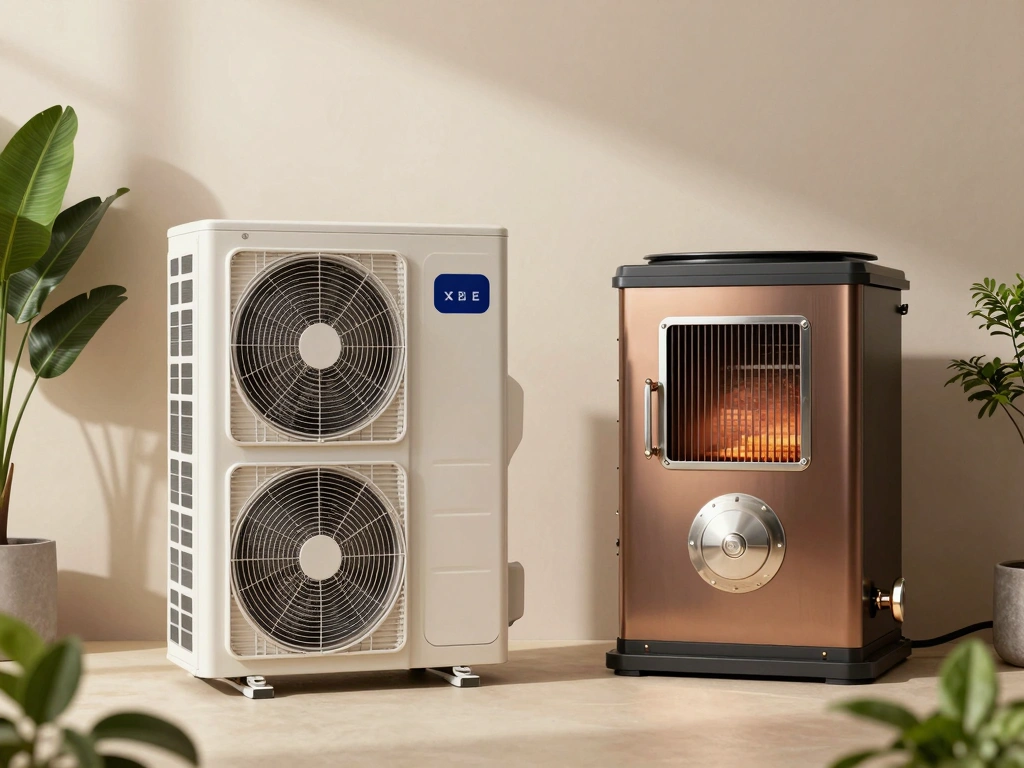
A ductless mini-split system is a type of heating and cooling system that provides zoned climate control without the use of traditional ductwork. It consists of two primary components: an outdoor unit and one or more indoor units. The outdoor unit houses the compressor, while the indoor units deliver air directly into the living space, offering flexibility and efficiency. This system is particularly useful for homes without ductwork or when homeowners want to add heating or cooling to specific rooms, making it a popular choice in recent years.
Benefits of Ductless Mini-Split Installation
The benefits of ductless mini-split installation are numerous. First and foremost, they offer energy efficiency, primarily because they don't lose energy through ductwork, which can be a significant drawback of traditional HVAC systems. Additionally, ductless mini-split systems provide precise temperature control in individual rooms, leading to enhanced comfort and savings on energy bills. They are also relatively simple to install, often requiring only a small hole for the refrigerant line between indoor and outdoor units, further reducing installation costs.
Components of Ductless Mini-Split Systems
A ductless mini-split system comprises several crucial components:
- Outdoor Unit: This contains the compressor and condenser and is responsible for circulating refrigerant.
- Indoor Unit: Available in various styles like wall-mounted, ceiling-mounted, or floor-mounted, this unit distributes conditioned air throughout the room.
- Refrigerant Lines: These insulated lines connect the indoor and outdoor units, facilitating the transfer of refrigerant.
- Remote Control: Most models come with a remote control allowing users to adjust settings conveniently.
Preparing for Installation
Site Assessment for Ductless Mini-Split Installation
Prior to installation, a thorough site assessment is essential. This involves evaluating the space where the indoor unit will be mounted, ensuring there is adequate wall space, and determining the best location for optimal airflow. Factors such as insulation quality in the room, distance from the outdoor unit, and potential obstructions must be assessed to ensure effective operation.
Tools Required for Installation
To install a ductless mini-split system, one requires specific tools, including:
- Drill
- Level
- Wrenches
- Refrigerant gauge
- Vacuum pump
- Pipe cutter
- Measuring tape
- Screwdrivers
Common Challenges and Solutions
While installing a ductless mini-split system is generally straightforward, several common challenges may arise:
- Space Constraints: If space is limited for the outdoor unit, consider a model designed for tight spaces or consult a professional for an alternative solution.
- Improper Sizing: Ensure the unit is appropriately sized for the space to avoid inefficiencies. Range from too small or too large can lead to improper heating or cooling.
- Access Issues: Ensure clear access for installation and maintenance by clearing surrounding areas of obstacles.
Step-by-Step Ductless Mini-Split Installation Process
Installing the Outdoor Unit
Begin by selecting an appropriate location for the outdoor unit. It should be away from obstructions and ideally positioned near the indoor unit. Use a level to ensure the unit is stable and secure, then mount it on brackets to elevate it off the ground, protecting it from snow or debris.
Mounting the Indoor Unit
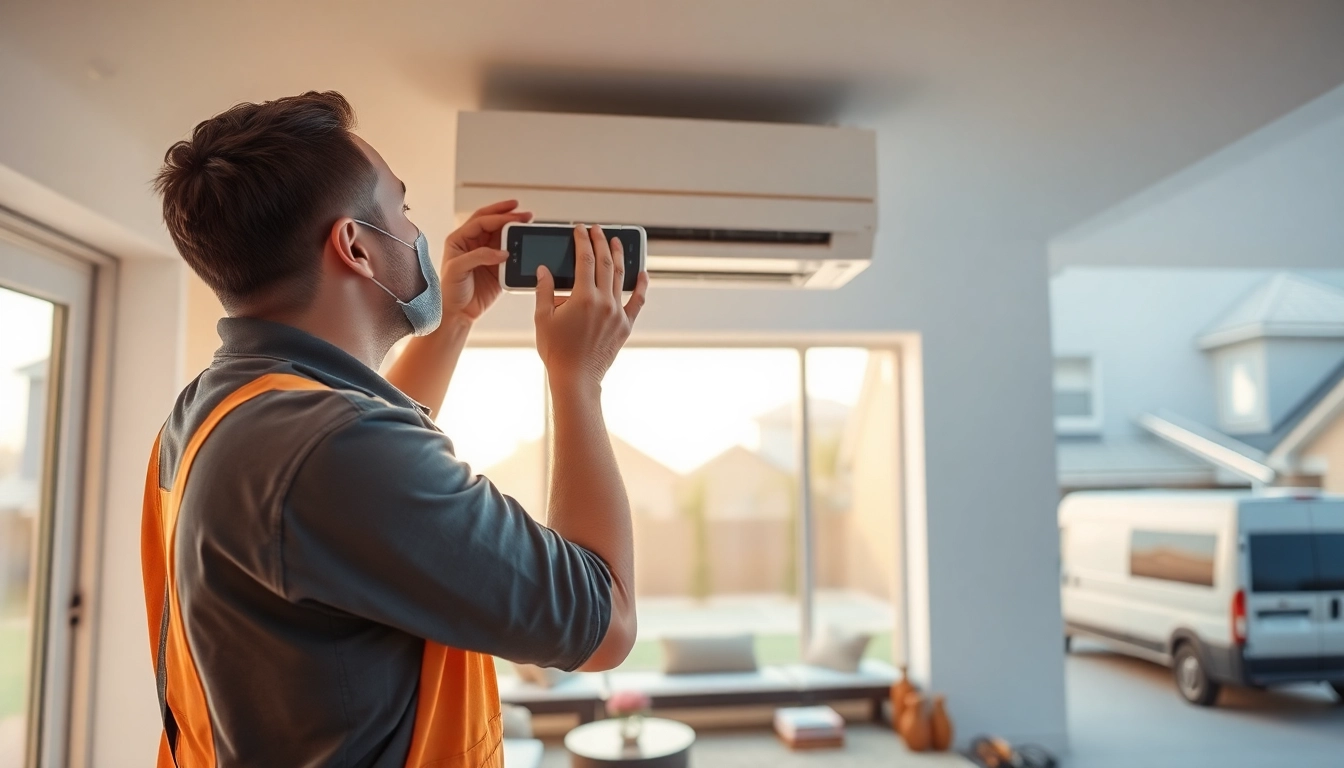
Once the outdoor unit is secured, proceed to install the indoor unit. Locate the brackets, and use a level to ensure it is straight. Securely mount the indoor unit to the wall while ensuring proper clearance for airflow, which helps in efficient operation.
Connecting the Refrigerant Lines
The final installation step involves connecting the refrigerant lines between the indoor and outdoor units. Carefully cut and clean the pipes, then connect them using appropriate fittings and tighten securely. Use a vacuum pump to eliminate air from the lines before charging the system with refrigerant.
Testing and Optimization
Initial System Testing Techniques
After installation, it is crucial to conduct thorough testing. Check for any leaks in the refrigerant lines using a leak detector. Once confirmed, power up the system to evaluate its functionality, ensuring that both heating and cooling modes operate effectively.
Troubleshooting Common Issues
If issues arise during testing, some common troubleshooting steps can include checking the electrical connections, verifying refrigerant levels, and ensuring that filters are clean. A common problem involves improper airflow due to blockages; addressing this can enhance overall system performance.
Efficiency Optimization Practices
To maximize efficiency, consider implementing smart thermostats that allow for programmable heating and cooling schedules. Regular maintenance, such as cleaning filters and checking refrigerant levels, will also ensure longevity and efficiency of the system.
Maintenance Tips for Ductless Mini-Split Systems
Regular Maintenance Procedures
Periodic maintenance is crucial for any HVAC system, including ductless mini-splits. Regularly clean or replace filters every 1-3 months and inspect outdoor units for debris buildup that may hinder airflow. Ensure that all internal components are free from dust and functioning optimally for best performance.
Common Problems and Fixes
Issues like inconsistent temperatures may arise from dirty filters or blocked drain lines. Regularly clean both to maintain efficiency. Other common problems include strange noises during operation, often indicating that components may need lubrication or replacement.
When to Call a Professional
While DIY maintenance is often manageable, certain situations warrant professional help. If you encounter persistent issues, especially those related to electrical components or refrigerant levels, it's best to consult a licensed technician.
FAQs
How long does ductless mini-split installation take?
Installation typically takes around 4-8 hours depending on the system's complexity and the number of units being installed.
What maintenance does a ductless mini-split require?
Essential maintenance includes cleaning filters every 1-3 months, checking refrigerant levels, and inspecting outdoor units for debris.
Can ductless mini-split systems heat my entire home?
While they can provide heating or cooling for multiple rooms, proper sizing and unit placement is crucial for overall effectiveness.
Do ductless mini-splits require a lot of electricity?
Ductless mini-splits are considered energy-efficient, using less electricity than traditional HVAC systems, particularly if they are properly sized and maintained.
What's the average lifespan of a ductless mini-split?
With proper maintenance, ductless mini-split systems can last between 15 to 20 years, depending on usage and care.
Contact Information
Call Us: 651-240-6431Email: [email protected]Address: 6080 Oren Avenue N Stillwater, MN 55082