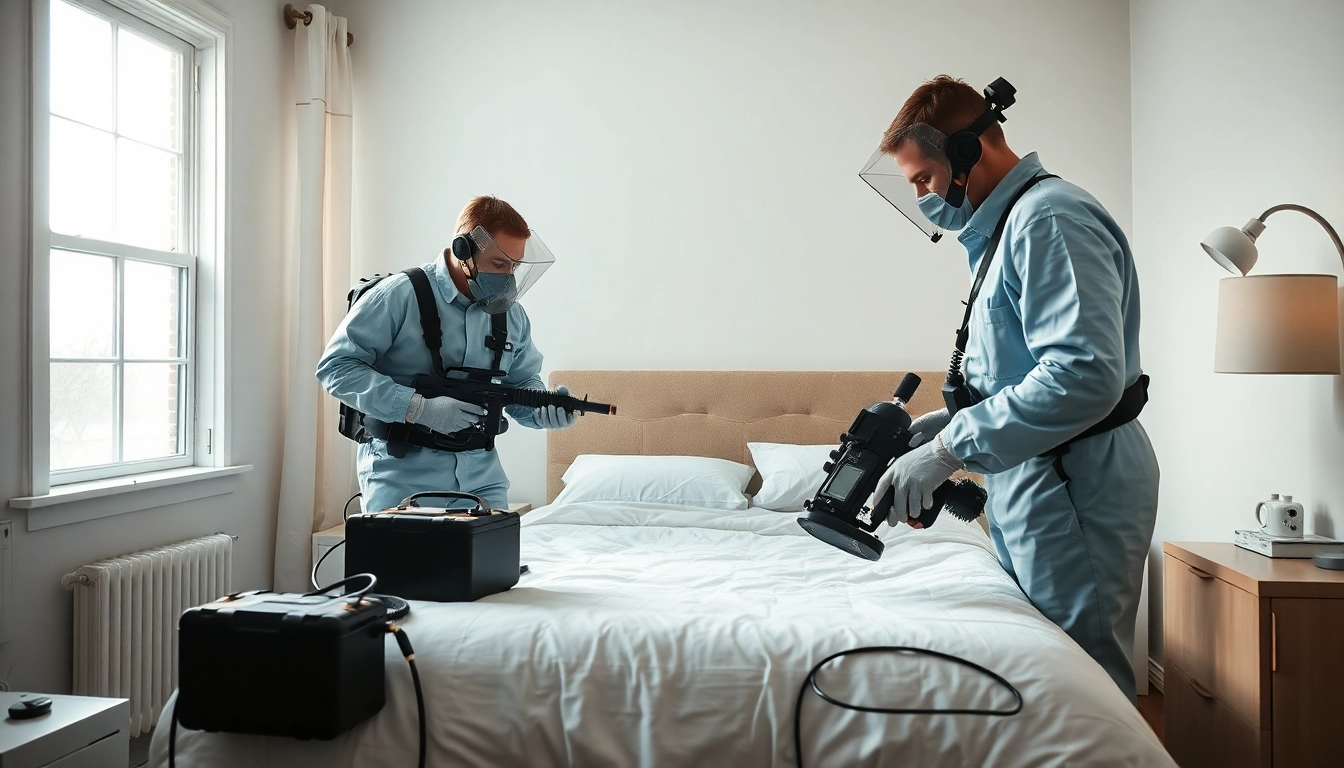
Understanding Bed Bug Infestations
Bed bugs are a persistent nuisance that can invade homes, causing discomfort and distress. As they tend to hide in small, concealed spaces, they can be challenging to detect until a significant infestation occurs. For effective bed bug pest control, it is vital to understand their nature and behavior. This article will guide you through the essentials of identifying, controlling, and preventing bed bug infestations.
What Are Bed Bugs?
Bed bugs (Cimex lectularius) are small, brownish insects that feed primarily on the blood of humans and other warm-blooded hosts. Adult bed bugs are approximately the size of an apple seed and are flat, oval-shaped, making them adept at hiding in cracks and crevices during the day. Their nocturnal feeding habits often leave victims with itchy bites that can lead to secondary infections if scratched excessively.
Signs of a Bed Bug Infestation
Identifying bed bugs early is crucial in managing an infestation. Common signs include:
- Itchy bites: Often found in clusters or aligned in a row on the skin.
- Blood stains: Small red or brown spots on bedding and furniture.
- Dark spots: Excrement left by bed bugs, appearing as small, brownish-black specks.
- Shed skins: Bed bugs molt several times, leaving behind their exoskeletons.
- Bed bug eggs: Tiny, white, and about the size of a pinhead, usually laid in hidden spots.
How Bed Bugs Spread in Homes
Bed bugs can enter homes in various ways, primarily through:
- Travel: They often hitch rides in luggage, clothing, or used furniture.
- Shared spaces: Multi-unit buildings like apartments and hotels can act as common breeding grounds.
- Public transportation: They can cling to clothing or bags during commutes.
Understanding these pathways can help in preventing future infestations.
Proven Bed Bug Pest Control Methods
Effectively eliminating bed bugs requires a comprehensive approach that may involve various techniques. Below are some of the most effective methods for bed bug pest control.
Chemical Treatment Options
Chemical treatments involve using pesticides specifically formulated to target bed bugs. Here are some common options:
- Pyrethroids: Synthetic versions of natural insecticides that are effective against bed bugs.
- Desiccants: Chemicals that work by drying out bed bugs and disrupting their ability to shed skin.
- Insect Growth Regulators (IGRs): Disrupt the life cycle of bed bugs, preventing them from maturing and reproducing.
While chemical treatments can be effective, they should be used with caution to minimize impact on human health and the environment.
Non-Chemical Approaches
In addition to pesticides, several non-chemical strategies also help in controlling bed bug populations:
- Heat treatment: Utilizing high temperatures (around 118°F) can kill bed bugs at all life stages.
- Vacuuming: Regular vacuuming can remove bed bugs and their eggs from infested areas.
- Steam treatments: Steam can penetrate into cracks and crevices where bed bugs reside.
- Encasements: Specially designed mattress and box spring covers can help contain and eliminate bed bugs.
DIY vs Professional Bed Bug Pest Control
Homeowners often debate whether to tackle bed bug infestations themselves or to hire professionals. Both approaches have their pros and cons:
- DIY: Involves using available resources and minimal cost, but it may require consistency and thoroughness.
- Professional pest control: Offers expert knowledge and specialized equipment but comes at a higher cost.
Consider the severity of the infestation and personal capability when making this decision. A mix of both strategies might often yield the best results.
Cost Factors of Bed Bug Pest Control Services
The financial aspect of bed bug pest control can significantly influence decision-making. Understanding the costs can help in planning and budgeting effectively for treatment.
Typical Pricing Overview
The cost of bed bug treatments can vary considerably depending on several factors. On average, homeowners can expect to pay anywhere from $300 to $1,500, depending on the extent of the infestation and the methods used. It's essential to obtain multiple quotes from service providers to find a suitable option that fits your budget.
Factors Affecting Treatment Costs
Several conditions can affect the overall cost of extermination:
- Infestation level: More extensive infestations often require additional treatment visits or more comprehensive solutions.
- Size of the property: Larger homes may incur higher costs due to increased time and resources needed for treatment.
- Location: Regional differences can influence pricing, with urban areas often having higher rates due to demand.
Hidden Costs to Consider
Homeowners should be aware of potential hidden costs when budgeting for bed bug pest control:
- Follow-up treatments: Multiple visits are often necessary to fully eliminate bed bugs.
- Pre-treatment preparations: Homeowners may need to clear closets, move furniture, or clean bedding.
- Preventive treatments: Ongoing strategies to prevent re-infestation may incur additional costs.
Preventive Strategies Against Bed Bugs
Prevention is a vital aspect of managing bed bugs. Implementing effective strategies can save homeowners time, money, and stress in the long run.
Best Practices for Homeowners
To prevent future bed bug infestations, homeowners should consider the following practices:
- Regular inspections: Routinely check bedding, furniture, and luggage for signs of bed bugs.
- Declutter: Reducing clutter minimizes hiding spots and makes inspection easier.
- Seal cracks and crevices: Use caulk or other materials to close entry points where bed bugs can hide.
Travel Tips to Avoid Bed Bugs
Travelers can take specific measures to avoid bringing bed bugs home:
- Inspect hotel rooms: Before settling in, check for signs of bed bugs in the bedding and furniture.
- Keep luggage off the floor: Use luggage racks to elevate bags and reduce contact with potential bed bug infested areas.
- Wash clothes upon return: Launder all travel clothes in hot water to kill any bed bugs before bringing them indoors.
Long-term Monitoring and Maintenance
Monitoring and maintenance are essential to prevent bed bugs from returning:
- Monitor for signs: Continue to keep an eye out for any signs of re-infestation.
- Organize and clean: Maintain cleanliness and organization in living spaces to make any potential infestations easier to detect.
- Regular pest control inspections: Consider periodic professional inspections, especially in high-risk areas.
Frequently Asked Questions about Bed Bug Pest Control
How can I tell if I have a bed bug problem?
Signs include itchy bites, blood stains on linens, dark spots of feces, shed skins, and immature eggs. Regularly inspect bedding and furniture for these indicators.
What is the most effective way to eliminate bed bugs?
The most effective approach combines treatments, including heat, chemicals, and thorough cleaning. Professional pest control often yields the best results.
How much should I expect to pay for bed bug treatment?
Treatment costs can range from $300 to $1,500, depending on the infestation’s severity and the treatment methods needed. Always get multiple quotes.
Are DIY methods effective for bed bug control?
DIY methods can provide temporary relief but often lack the effectiveness of professional treatments, especially in severe infestations.
How can I prevent bed bugs from returning?
Regular inspections, decluttering, sealing gaps, and maintaining cleanliness can significantly reduce the risk of re-infestation. Educate yourself on travel precautions.