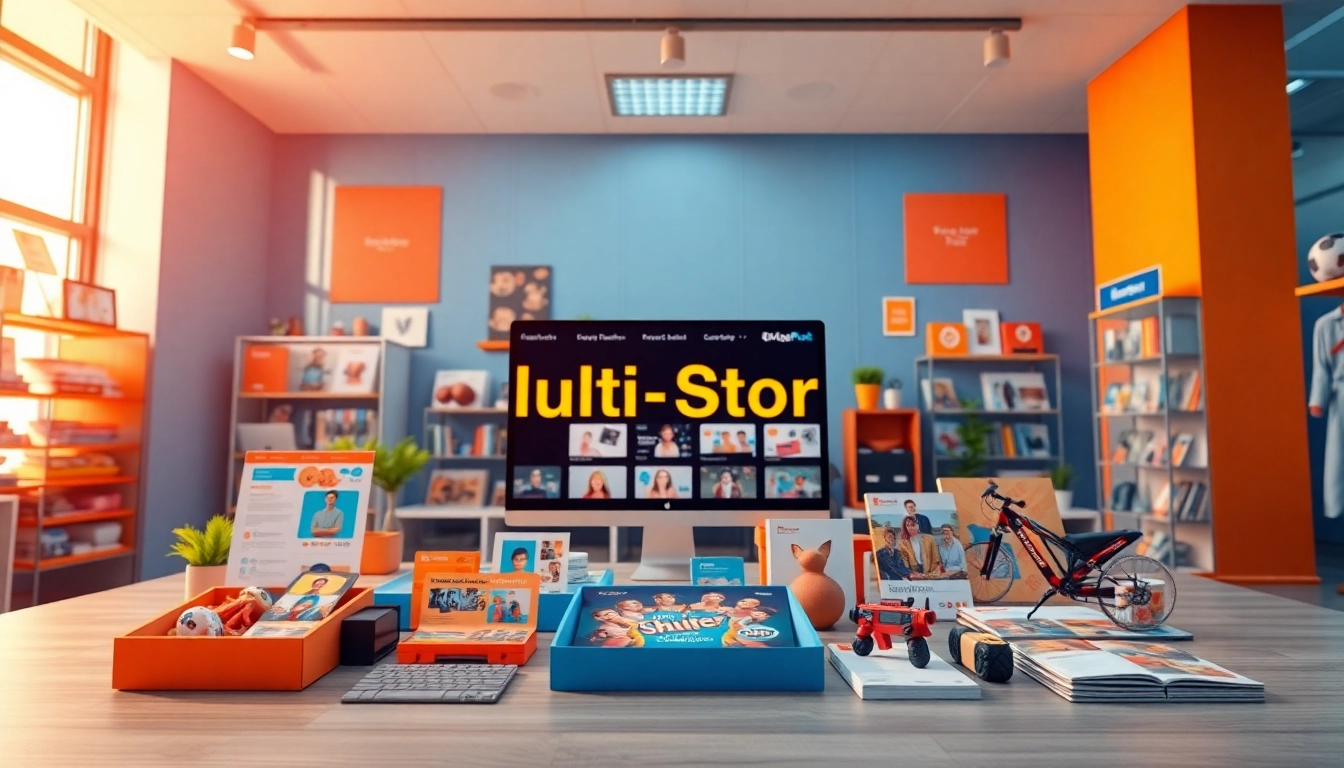
Understanding the Multi-Store Concept
Defining the Multi-Store Framework
The concept of a Multi-Store refers to a centralized platform that allows businesses to manage multiple stores or brands from a single interface. This framework is particularly beneficial for e-commerce companies looking to diversify their product offerings while maintaining consistency in branding, user experience, and backend management. It provides a unique opportunity for businesses to cater to various market segments without the need for separate infrastructure for each store.
Key Benefits of Multi-Store Structures
Implementing a Multi-Store structure comes with a myriad of benefits:
- Centralized Management: Administer and control inventory, sales, and customer data from one dashboard.
- Cost Efficiency: Reduce operational costs by sharing resources and staff across multiple stores.
- Brand Expansion: Easily scale your business by adding new stores targeting different audiences.
- Enhanced Marketing Flexibility: Create distinct marketing strategies tailored to each store's specific audience while leveraging shared insights.
- Streamlined Customer Experience: Offer users a cohesive shopping experience across various products and services.
Challenges Faced by Multi-Stores
While the Multi-Store model presents numerous advantages, it also poses several challenges:
- Complexity in Management: Coordinating between multiple stores can lead to operational complexities that require sophisticated management systems.
- Brand Identity Confusion: Distinct branding across stores can lead to mixed messages if not carefully strategized.
- SEO Considerations: Each store needs to optimize its visibility without cannibalizing traffic from other stores.
- Custom Development Needs: Special features and customization for each store may require significant development resources.
Building an Engaging User Experience
Design Principles for Multi-Store Interfaces
Designing an engaging user interface (UI) for a Multi-Store environment is crucial for ensuring that customers can easily navigate through various stores. Key design principles include:
- Consistency: Ensure that design elements such as color schemes, fonts, and layout styles are consistent across all stores to uphold brand recognition.
- Simplicity: Use straightforward navigation to help users find what they need quickly. Complex menus can frustrate users and drive them away.
- Responsive Design: Ensure that the stores are mobile-friendly. A significant amount of online shopping is done via mobile devices, making this a necessity.
- Visual Hierarchy: Highlight important information, such as sales and promotions, using size and color contrasts to guide user focus.
Improving Navigation Across Stores
Effective navigation is vital in retaining customers in a Multi-Store setup. Here are a few strategies:
- Unified Search Functionality: Implement a comprehensive search that spans across all stores, allowing users to find products easily.
- Cross-Linking Stores: Provide internal links between related stores to enhance user journey and promote additional product discovery.
- Clear Hierarchical Structure: Use categories and subcategories that are easy to understand and navigate across different stores.
Utilizing User Feedback for Enhancements
User feedback is invaluable for continuously enhancing the Multi-Store experience. Methods for gathering feedback include:
- Surveys and Polls: Conduct regular surveys to gauge customer satisfaction and identify areas for improvement.
- Review Analysis: Monitor reviews and ratings across all stores to detect patterns and specific issues.
- Focus Groups: Organize focus groups consisting of users to gain deeper insights into their experience with the Multi-Store setup.
Optimizing SEO for Multi-Store Visibility
Keyword Strategies for Multi-Store Content
To ensure that each store within a Multi-Store setup is visible to its target audience, implementing effective keyword strategies is essential. Consider the following:
- Long-Tail Keywords: Target long-tail keywords that are specific to each store, enhancing relevance and reducing competition.
- Keyword Grouping: Group related keywords to maintain focus on store-specific content while improving SEO effectiveness.
- Semantic Keywords: Utilize semantic keywords that relate to primary keywords to broaden search visibility.
On-Page SEO Techniques for Multi-Stores
On-page SEO practices play a pivotal role in optimizing each store’s presence. Strategies include:
- Meta Tags and Descriptions: Write unique and compelling title tags and meta descriptions for each store to boost click-through rates.
- Image Optimization: Ensure all images have appropriate alt tags and are optimized for speed and quality to improve search rankings.
- Internal Linking: Implement internal links that guide visitors to related products and stores, enhancing both SEO and user experience.
Measuring SEO Performance
Monitoring SEO performance is crucial for ongoing optimization. Key performance indicators (KPIs) to track include:
- Organic Traffic: Measure the volume of traffic coming from search engines to ascertain the effectiveness of SEO efforts.
- Bounce Rate: Analyze bounce rates from each store to identify pages needing improvement.
- Conversion Rate: Track how many visitors convert into customers through organic searches to determine return on investment.
Marketing Best Practices for Multi-Stores
Leveraging Social Media for Engagement
Social media channels can increase engagement for each store within a Multi-Store model. Best practices include:
- Brand-Specific Content: Share tailored content that speaks directly to the target demographics of each store.
- Interactive Posts: Encourage user interaction through polls, contests, and user-generated content, increasing loyalty and reach.
- Consistent Branding: Maintain a cohesive brand voice across all social media platforms while allowing for distinct characteristics of each store.
Email Marketing In a Multi-Store Environment
Email marketing remains a powerful tool for nurturing customer relationships and driving sales. Effective strategies for Multi-Stores include:
- Segmentation: Segment email lists by customer preferences and behaviors to deliver personalized offers.
- Targeted Campaigns: Develop specific campaigns for different stores, highlighting unique promotions and updates.
- A/B Testing: Regularly conduct A/B tests on email subject lines, content, and calls-to-action to optimize engagement rates.
Building Brand Loyalty Across Different Stores
Creating a loyal customer base across various stores requires thoughtful strategy. Key tactics include:
- Loyalty Programs: Implement cross-store loyalty programs that reward customers for purchases across different stores.
- Consistent Communication: Keep customers informed about store updates, events, and promotions via newsletters and social media.
- Exceptional Customer Service: Provide outstanding support across all stores to enhance retention and encourage word-of-mouth recommendations.
Performance Metrics and Continuous Improvement
Key Metrics to Track for Multi-Stores
To gauge the success of your Multi-Store operations, track important metrics such as:
- Sales Performance: Measure sales growth and compare performance across stores to identify trends.
- Customer Acquisition Costs: Analyze the cost to acquire customers for each store, adjusting strategies as needed.
- Customer Retention Rates: Monitor retention rates to evaluate the effectiveness of loyalty programs and engagement efforts.
Utilizing Analytics for Growth
Using analytics effectively can uncover insights that fuel growth. Important steps include:
- Real-Time Tracking: Implement tools for real-time analytics to monitor traffic and sales patterns.
- Behavior Analysis: Use heatmaps and session recordings to understand user behavior and identify potential leaks in the sales funnel.
- A/B Testing: Continuously test different strategies to determine what yields the best results for each store.
Adapting Strategies Based on Performance
Finally, flexibility in strategy is crucial for sustained success in a Multi-Store environment. Consider:
- Regular Reviews: Conduct performance reviews on a monthly or quarterly basis to identify areas needing adjustment.
- User Feedback Incorporation: Actively incorporate user feedback into your strategic adjustments for improved engagement.
- Staying Informed: Keep up with industry trends and competitor movements to adjust your strategies accordingly.
Frequently Asked Questions
What is a Multi-Store structure?
A Multi-Store structure allows businesses to manage multiple stores or brands from a single platform, optimizing resources and brand consistency.
What are the benefits of using a Multi-Store approach?
The Multi-Store approach provides centralized management, cost efficiency, enhanced marketing flexibility, and a streamlined customer experience.
How can I improve navigation in a Multi-Store setup?
Improving navigation is achieved through unified search functionalities, cross-linking between stores, and clear hierarchical structures.
What SEO strategies are important for Multi-Stores?
Effective keyword strategies, on-page SEO techniques, and performance measurement are crucial for SEO in a Multi-Store environment.
How can I measure the success of my Multi-Store?
Track metrics such as sales performance, customer acquisition costs, and customer retention rates to evaluate the success of your Multi-Store.