The Evolution of the Selfie
Historical Context and Popularity
The phenomenon of the Selfie has become an indelible part of modern life, transforming how we capture and share our identities. While the term "selfie" was officially recognized by the Oxford Dictionaries in 2013, human self-portraits date back centuries. Early examples of self-portraiture can be traced to the Renaissance when artists like Rembrandt and Van Gogh painted themselves as a means of exploration and representation.
However, the true explosion of the selfie era is credited to advancements in technology, particularly the rise of smartphones equipped with front-facing cameras. As devices became more accessible and social media platforms like Instagram and Snapchat emerged, the selfie evolved from an occasional snapshot to a widespread cultural phenomenon. This shift is reflective of a broader societal trend toward self-expression and personal branding.
Selfie Trends Through the Years
Each year has brought forth distinctive selfie trends. Initially, selfies were simple, often featuring standard poses against plain backgrounds. As social media usage grew, so too did the creativity surrounding selfies. The introduction of filters, stickers, and augmented reality features has fueled innovative approaches to self-portraiture.
Consequently, trends have emerged, such as duck faces, group selfies, and the infamous bathroom mirror shots. Platforms like Instagram have further propelled these trends through viral challenges and hashtags, fostering a sense of community and shared experiences. As people adapt to new technologies, such as AI-driven editing tools and 360-degree cameras, the evolution of the selfie shows no signs of relenting.
Impact on Social Media Culture
Selfies are not merely personal snapshots; they significantly influence our interactions on social media. They democratize visibility, allowing individuals to curate their identities in public spaces. This shift has implications for self-perception and societal standards of beauty. The prevalence of carefully crafted selfies can create unrealistic expectations, yet they also empower users to express authenticity and vulnerability.
Moreover, selfies are a means of storytelling. They connect people across the globe, providing insights into different lives and cultures, representing a visual diary that reflects not only personal milestones but also societal issues. Brand engagement has shifted towards embedding authentic interactions with users, and selfies enable brands to tap into this dynamic for marketing strategies.
Getting the Basics Right
Choosing the Right Area and Lighting
The foundation of a great selfie begins with selecting the right location and lighting conditions. Natural light is your best friend—an airy, well-lit environment often yields the most flattering results. Positioning yourself near windows during the golden hour—shortly after sunrise or before sunset—can help create a warm, soft glow, enhancing your features.
In addition to lighting, the backdrop plays a crucial role. Cluttered or distracting backgrounds can detract from the subject—in this case, you. Opt for aesthetically pleasing settings that complement your outfit and theme. Consider natural landscapes, colorful walls, or even minimalist designs that accentuate your picture.
Camera Settings for Optimal Quality
Grasping the fundamentals of camera settings is vital for producing high-quality selfies. Start by adjusting your camera’s resolution settings to their maximum, allowing for clearer images. Many smartphones offer features like HDR (High Dynamic Range), which perfectly balances highlights and shadows, giving your selfies a professional touch.
For advanced photographers, familiarize yourself with manual settings. Adjusting ISO, shutter speed, and aperture ensures greater control over the final image quality. Experimenting with settings can lead to stunning results that elevate your selfies from basic to breathtaking.
Understanding Angles and Perspectives
The angle from which you capture a selfie can dramatically impact how you appear in the final image. Many influencers and photographers suggest shooting from a slightly elevated angle to showcase your facial features. The classic arm-length distance works most of the time; however, experimenting with angles can lead to unique, compelling photographs.
Additionally, consider varying your perspectives. Capture candid moments from below, above, or the side to provide diverse looks. The key is to find the angle that represents your true self while keeping composition in mind for a balanced selfie.
Creative Selfie Ideas
Theme-Based Selfies
Creating themed selfies adds an exciting layer to your photography. For instance, holiday-themed selfies are popular, featuring festive backdrops, costumes, and props. Consider seasonal themes—pumpkins in autumn or beach shots in summer. These not only reflect your personality but resonate with your audience, allowing for greater engagement.
Alternatively, explore themes such as hobbies or passions—whether it's sports, fashion, or music. Including relevant items—from sporting gear to musical instruments—can enhance the narrative while providing context to your followers about your life and interests.
Incorporating Props and Accessories
Props and accessories can dramatically enhance the visual appeal of your selfies. Using items such as hats, sunglasses, or even pets can add layers of interest while showcasing your creativity. Moreover, consider seasonal props—scarves in fall or flowers in spring—to add a fresh touch to your photos.
Don’t hesitate to get experimental. Bold items can communicate mood and personality, offering a glimpse into who you are. Just remember to keep it balanced—an overly crowded image might confuse viewers. The goal is harmony, where your accessories complement rather than overwhelm your image.
Group Selfies: Making Them Fun
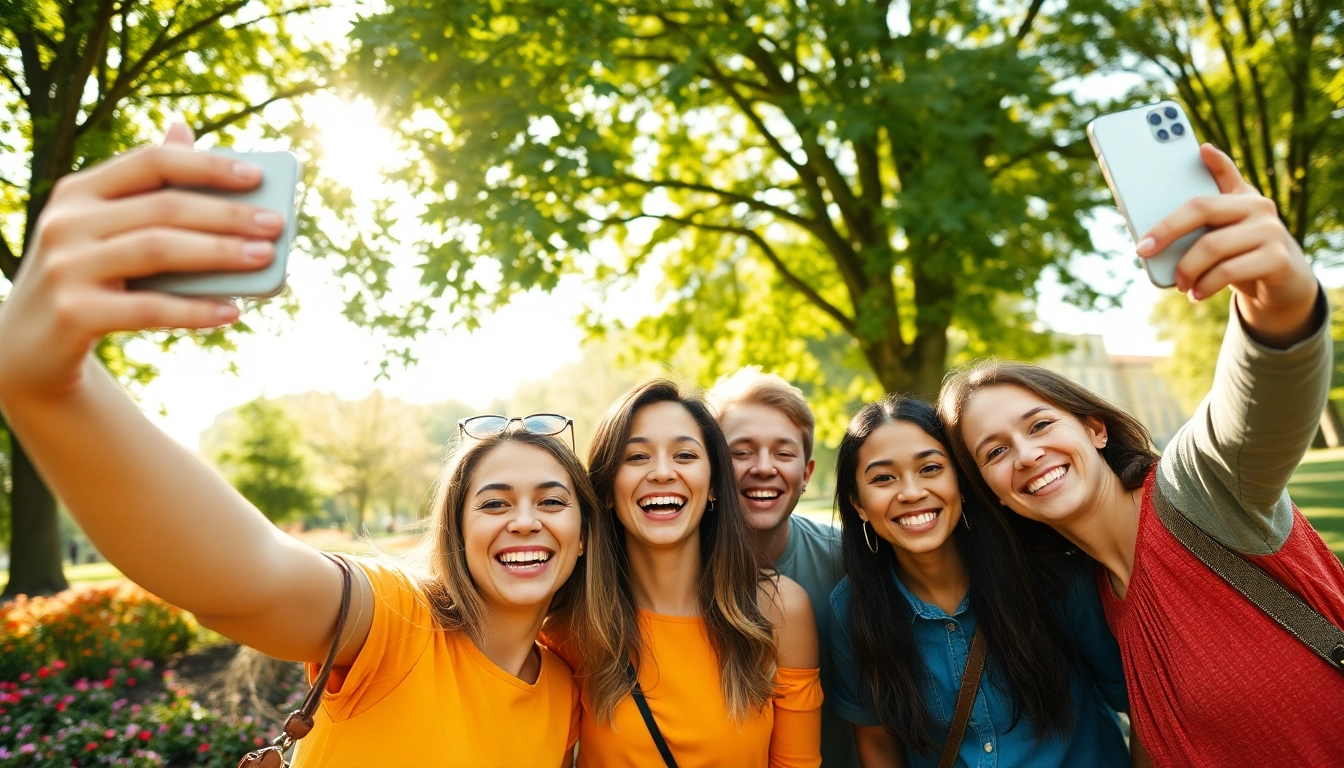
Group selfies, commonly referred to as “usies,” can capture the joy of shared experiences. They foster bonding and create lasting memories, whether at events, parties, or simple hangouts. When taking a group selfie, encourage everyone to contribute by uniquely posing or arranging themselves in a creative formation.
Utilize perspectives to get everyone in the shot—find high ground, stretch out your arm, or use a selfie stick, which allows for a more expansive view. Consider engaging themes, such as matching outfits or spontaneous expressions. Ultimately, the more thought and enthusiasm you put into it, the more memorable your group selfie will be.
Editing Your Selfie
Choosing Effective Editing Apps
Editing is an essential process in creating stunning selfies. Fortunately, a variety of editing apps are available, catering to different user needs—from basic photo adjustments to advanced graphic design. Apps like Adobe Lightroom and Snapseed provide professional quality, enabling detailed modifications, while more straightforward options like VSCO and Instagram’s built-in editor cater to quick edits.
Selecting an app that resonates with your style and skill level is crucial, so test various applications to find the one that suits you best. Familiarize yourself with the basic editing tools, such as cropping, brightness, contrast, and saturation, ensuring your selfies reflect your desired aesthetic.
Understanding Filters and Effects
Filters can instantly transform your selfies, offering varying tones, colors, and moods. While their convenience is appealing, one must use them judiciously. Overfiltering can lead to loss of authenticity, making images appear unrealistic. Aim for subtlety; a slight enhancement is often more effective than drastic alterations.
Experimenting with different filters can help establish a signature style. Find a theme that represents you and is consistent across your posts, making your profile visually harmonious. Additionally, using effects like blurring backgrounds or adding frames can provide a polished finish to your selfies.
Maintaining Authenticity While Editing
The balance between enhancing and distorting reality can be a challenging line to walk. Successful selfies convey not only aesthetics but also authenticity. Users resonate more with relatable images that showcase imperfections rather than overly polished pictures. Consider minimal edits and avoid unrealistic adjustments to maintain the essence of who you are.
Encouraging authenticity in your edits helps build trust with your audience. They appreciate genuine representations, creating deeper connections. Remember, your selfies should celebrate who you are, and not just cater to an idealized version of yourself.
Sharing and Engaging with Your Selfies
Choosing the Right Social Media Platforms
Selecting the right platform for sharing your selfies is as important as the selfies themselves. Instagram reigns supreme for visual content—a space designed for image curation where aesthetics are prioritized. Snapchat offers an ephemeral approach, fostering intimacy and immediate engagement through stories.
Other platforms, such as TikTok, allow for creative storytelling through selfies accompanied by music or effects, while Facebook generally caters to a broader audience with varied content. Tailoring your approach to each platform ensures your selfies reach the right audience effectively.
Using Hashtags for Increased Visibility
Hashtags are essential tools for improving visibility, helping users discover your content. By using popular or niche hashtags, your selfies can reach audiences beyond your immediate followers. Research trending topics relevant to your photo and include them in your caption. For a more personalized touch, consider creating unique hashtags that define your brand or theme.
However, moderation is key—too many hashtags can come off as spammy. A well-crafted hashtag strategy can lead to increased engagement and broader reach, allowing your selfies to shine among the masses.
Interacting with Your Audience
Engagement is crucial for building a robust online community around your selfies. Actively respond to comments and messages, showing appreciation for your followers’ interactions. Encourage discussions by asking questions or initiating polls related to your selfies, providing a chance for deeper connections.
Additionally, consider collaborating with other users—this can lead to increased exposure for both parties while fostering a sense of community. Acknowledge your audience’s support through shout-outs or reposts, reinforcing a mutual relationship that enhances loyalty and engagement.
Frequently Asked Questions
1. How do I take the best selfie?
To take a great selfie, find good lighting, choose an appealing background, and explore different angles. Experiment with your camera settings for optimal quality.
2. What are the best apps for editing selfies?
Top apps for editing selfies include Adobe Lightroom, Snapseed, and VSCO. Choose one that matches your skill level and offers a good range of editing tools.
3. Should I always use filters on my selfies?
While filters can enhance your selfies, use them sparingly. Aim for natural enhancements to maintain authenticity and relatability in your images.
4. What platforms are best for sharing selfies?
Instagram is ideal for visual content, while TikTok offers a dynamic storytelling environment. Choose the platform that aligns with your audience and content style.
5. How can I engage my audience effectively?
Engage by responding to comments, asking questions, or initiating discussions around your selfies. Collaboration and creating a sense of community can enhance interactions.