Understanding Double Glazed Windows
Definition and Composition
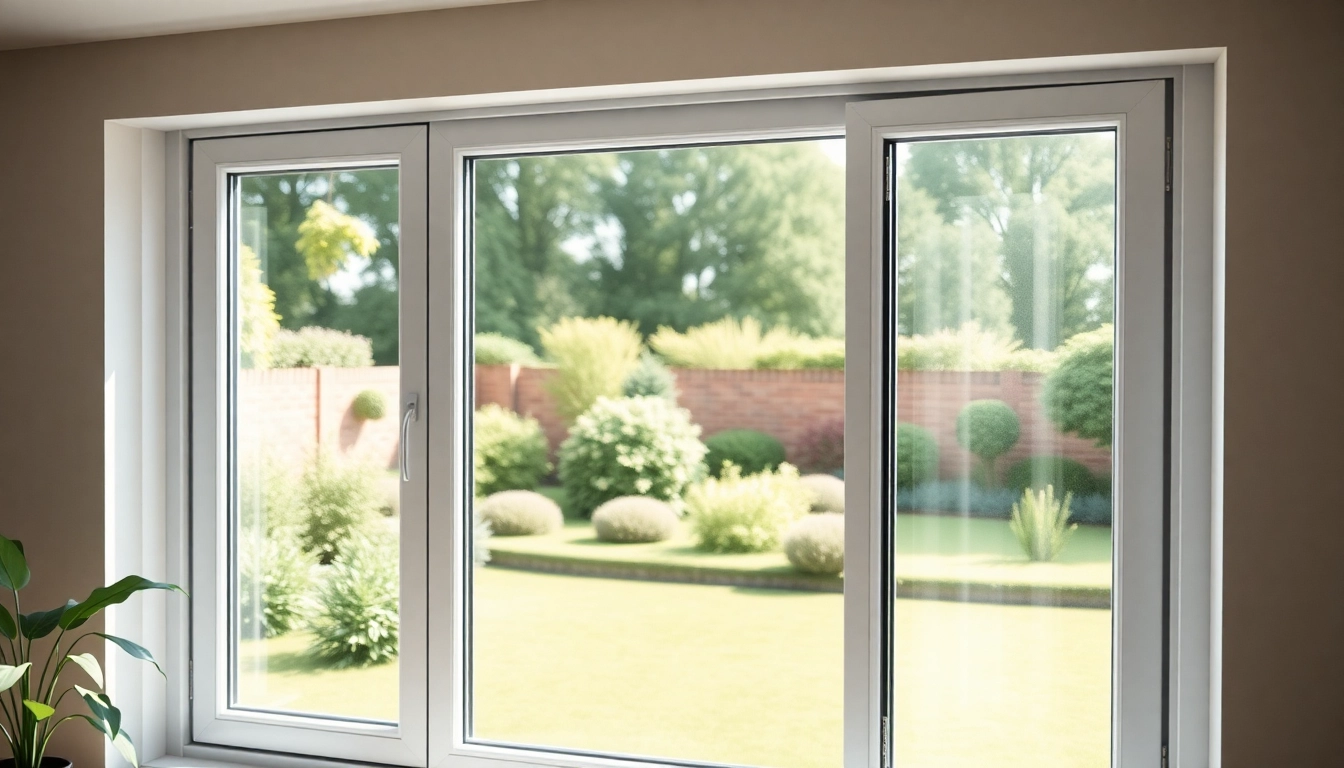
Double glazed windows are technological advancements in window manufacturing that consist of two panes of glass separated by a spacer. This spacer is typically filled with a non-toxic gas, such as argon or krypton, which enhances the window's insulation properties. The panes are sealed together, creating an air-tight barrier that not only provides insulation but also protects against moisture and condensation.
Key Features of Double Glazed Windows
The standout feature of double glazed windows is their insulation capability. Compared to single-glazed windows, they offer significantly improved thermal performance. With two layers of glass, a double glazed window creates a buffer that helps regulate the indoor temperature, keeping homes warmer in winter and cooler in summer.
- Energy Efficiency: The use of low-emissivity (Low-E) coatings on panes enhances energy efficiency by reflecting heat back into the room.
- Noise Reduction: The two glass panes minimize sound transmission, making them ideal for homes located in busy areas.
- UV Protection: Double glazed windows reduce UV rays, protecting furniture and flooring from fading.
How They Work for Insulation
The insulation of double glazed windows works through the combination of the air or gas-filled space between the two panes and the quality of the glass itself. When comparing the insulation values, the R-value and U-value come into play. The U-value measures the rate of heat transfer, while the R-value indicates resistance to heat flow. Generally, the lower the U-value, the better the insulation and energy efficiency. This makes double glazed windows an advantageous option for homeowners looking to reduce energy bills.
Advantages of Double Glazed Windows
Energy Efficiency and Cost Savings
One of the primary benefits of double glazed windows is their energy efficiency. These windows help to keep heat within the home during colder months and prevent it from entering during warm months. A significant reduction in energy loss means homeowners can expect lower heating and cooling costs. According to studies, homes equipped with double glazing can see energy savings of up to 25% over those relying on single-pane alternatives. By investing in double glazed windows, homeowners not only enhance comfort but also potentially increase their property’s value.
Noise Reduction Benefits
Another advantage of double glazed windows is their ability to dampen external noise. For urban residents or those living near busy streets, double glazing acts as a sound barrier, significantly reducing noise pollution from traffic, construction, and other environmental factors. Studies indicate that double glazed windows can reduce noise levels by as much as 30 to 50 percent, providing a more tranquil home environment.
Enhanced Security Features
Security is an essential consideration for any homeowner. Double glazed windows are designed with an additional layer of protection compared to traditional single-pane windows. The thickness of the two glass panes presents a more formidable barrier against forced entry, reducing the chance of break-ins. Additionally, many double glazed windows come with advanced locking mechanisms that further enhance security.
Disadvantages of Double Glazed Windows
Initial Cost Considerations
While double glazed windows offer numerous advantages, they do come with a higher initial investment. The cost of purchasing and installing these windows can be significant compared to standard single-pane options. Homeowners may face estimates ranging from £700 to £2,000 depending on the size and style of the windows chosen. However, it is essential to view this as a long-term investment since the potential energy savings can offset these initial costs over time.
Potential Repair Challenges
Repairing double glazed windows can be more complex and costly than single-pane windows. If an issue arises, such as seal failure or breakage, the entire unit may need to be replaced rather than simply repairing a single pane. This can lead to increased maintenance costs for homeowners who might not be prepared for the complexity involved in repairs.
Compatibility with Older Homes
Double glazing may not always be suitable for older properties, especially those with unique architectural styles or historic significance. The visual aesthetics of these windows can clash with older design elements, potentially impacting the property’s character. Homeowners in conservation areas may also face restrictions regarding window replacements, leading to further complications in installation.
Choosing the Right Double Glazed Windows
Material Options and Their Benefits
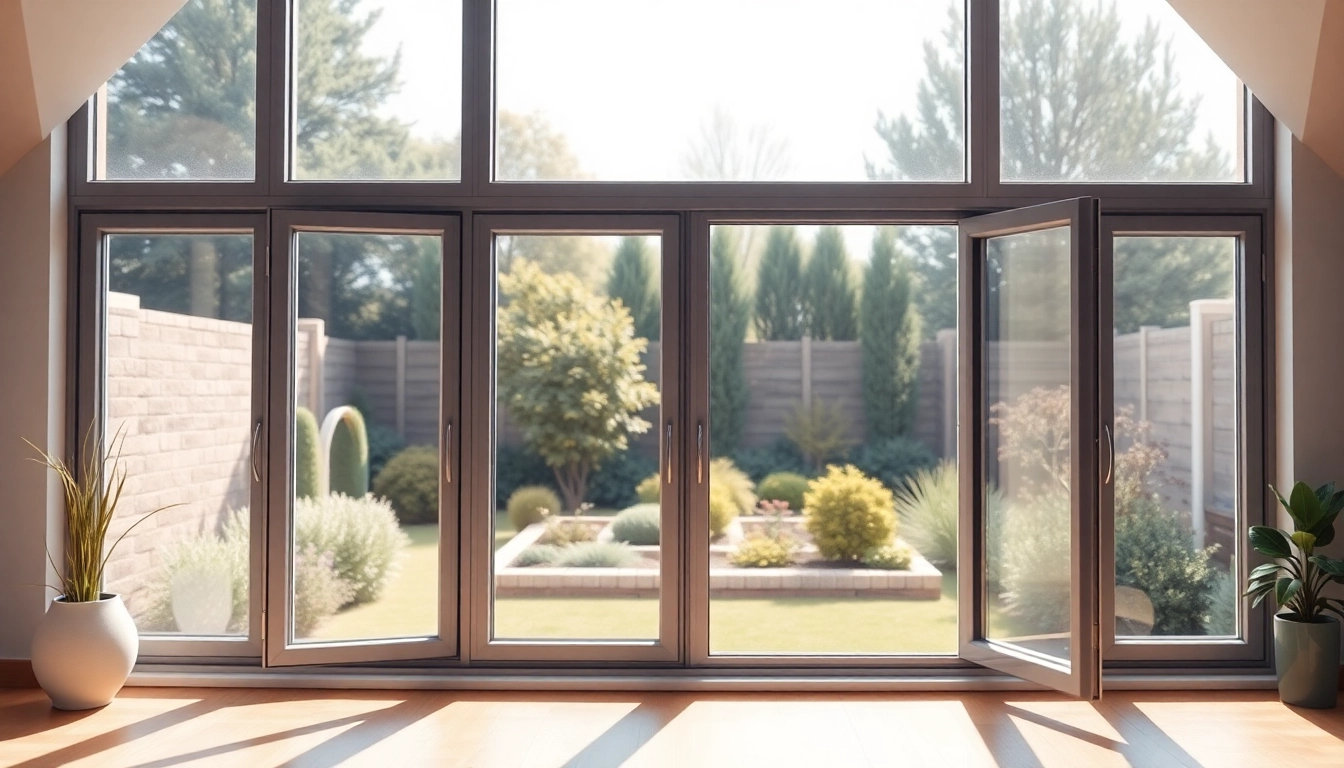
When selecting double glazed windows, the choice of frame material plays a crucial role. Common materials include uPVC, timber, and aluminum, each offering distinct advantages:
- uPVC: Known for its durability, low maintenance, and energy efficiency, uPVC frames are a popular choice.
- Timber: While more expensive, timber provides excellent insulation and aesthetic appeal, making it favorable for traditional homes.
- Aluminum: Offers strength and durability, with thinner frames maximizing glass area, but typically has lower insulation unless thermal breaks are included.
Understanding U-Values and R-Values
Understanding how to compare different double glazed window options comes down to mastering U-values and R-values. The U-value indicates how well a window can prevent heat from escaping; the lower the U-value, the better the window performs thermally. The R-value, on the other hand, measures the resistance of the material to heat flow; a higher R-value signifies better insulation. Homeowners should focus on units with low U-values and high R-values for optimal energy efficiency.
Installation Tips and Best Practices
Proper installation of double glazed windows is paramount to their performance. Here are some tips to ensure your installation is successful:
- Engage qualified professionals with experience in double glazing installations to avoid common pitfalls.
- Ensure all frames are level and sealed correctly to prevent air leaks.
- Prioritize using quality materials to enhance durability and performance.
- Conduct post-installation checks to confirm that all seals and fittings are secure.
FAQs about Double Glazed Windows
What are the main benefits of double glazed windows?
Double glazed windows provide superior insulation, reduce energy bills, decrease noise pollution, and enhance security.
How do double glazed windows compare in cost?
Double glazed windows typically have a higher upfront cost than single-glazed windows, but they yield long-term savings through energy efficiency.
Can double glazed windows reduce outside noise?
Yes, double glazed windows can significantly reduce noise transmission, making your living space quieter and more comfortable.
Are double glazed windows energy efficient?
Yes, double glazed windows are designed to minimize heat transfer, thus improving energy efficiency and comfort inside your home.
How can I maintain double glazed windows?
Regular cleaning and inspection of seals and frames are essential for maintaining double glazed windows and extending their lifespan.